Nigeria’s ruling party says President Bola Tinubu’s administration has prepared a five-year defence plan intended to improve the country’s response to terrorism, banditry, kidnapping and other security threats. The plan is expected to guide military operations, intelligence work and defence spending over the coming years.
Dele Alake, spokesperson for the All Progressives Congress (APC) Presidential Campaign Council, announced the framework on November 15. He said it would align defence priorities, operational needs, military capability development and expenditure with the threats Nigeria faces now and may encounter in the future. His remarks were reported by the African Press Agency and Nigerian media.
The announcement follows a presidential directive issued in August. At that time, the State House said Tinubu had ordered an 11-member committee to prepare a national threat assessment and a rolling five-year Strategic Defence Operations Plan. The committee was given 90 days to submit the documents for the president’s consideration and approval. The State House said the assessment would identify major threats and set priorities, while the defence plan would map operational requirements, capability gaps, equipment needs and an implementation timetable.
The distinction matters: the APC campaign council has described the plan as ready, but the State House’s earlier announcement said the completed documents would still be submitted for presidential approval. Alake’s November statement did not specify whether that approval had since been granted, nor did it publish the full plan, its cost or a detailed timetable for putting it into effect.
Intelligence and coordination at the centre
Alake said the proposed framework would improve intelligence gathering and cooperation among security agencies. It is also intended to direct investment toward operational needs and improve the military’s ability to respond to threats across different parts of the country.
Nigeria faces several overlapping security challenges. The Boko Haram insurgency and Islamic State West Africa Province remain active in the northeast, while armed groups and criminal gangs conduct attacks and kidnappings in other regions. The conflict landscape also includes banditry and other forms of violence that require security agencies to coordinate across jurisdictions.
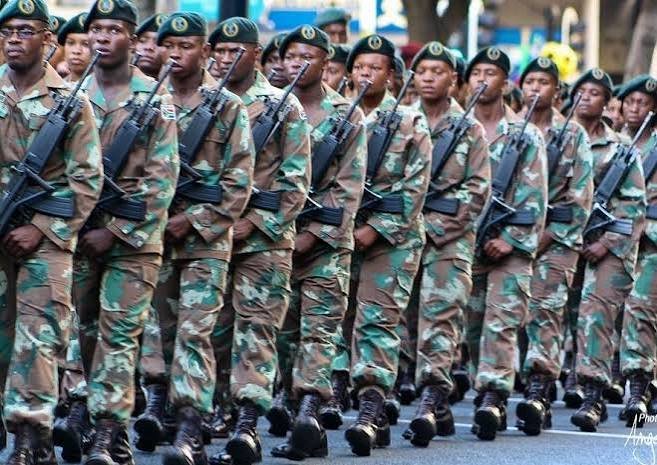
The plan is part of a broader effort to strengthen the country’s security capacity. According to Premium Times’ account of Alake’s remarks, the administration has approved recruitment of an additional 28,000 soldiers and 50,000 police officers. Alake also cited new army divisions, expanded training facilities and investments in military infrastructure as measures intended to increase operational coverage and personnel capacity. These details were presented by the campaign council; the statement did not provide a full breakdown of recruitment schedules or funding.
Government figures on operations
Alake also cited security figures from the administration, saying military operations over the previous three years had killed more than 15,000 terrorists and bandits. He said more than 130,000 Boko Haram fighters and their dependents had surrendered through Operation Safe Corridor, a federal programme for people who leave insurgent groups and enter a rehabilitation process.
Those figures are government claims repeated by the campaign council. The surrender total includes dependents as well as fighters, and the announcement did not provide a detailed breakdown of how the numbers were compiled. Operation Safe Corridor combines disarmament and rehabilitation with efforts to support reintegration, and it has attracted debate over how former insurgents should be processed and monitored.
Implementation will be key
Tinubu’s August directive described the planned assessment and operations framework as a way to connect threat analysis with military priorities, equipment requirements and multi-year defence spending. The State House said the plan, once approved, would become the main framework for coordinating military and defence operations over the medium term.
The November announcement offers a broad outline, but leaves unanswered questions about implementation. It does not specify the plan’s total budget, how resources will be divided among regions or agencies, or what measures will be used to assess progress. Details of the final document and its approval status will help clarify how the framework translates into operational changes.
The proposed five-year strategy therefore marks a move toward longer-term security planning, while its practical impact will depend on the quality of threat assessments, coordination between agencies and delivery of the promised resources. For Nigerians affected by attacks and abductions, the key test will be whether the plan improves security on the ground.