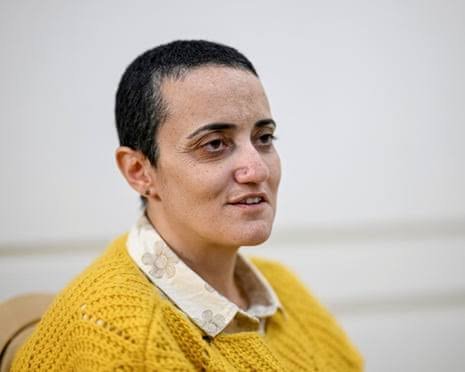
An Egyptian court has suspended proceedings in the trial of Lina Attalah, editor-in-chief of independent news outlet Mada Masr, after her defence team asked for the presiding judge to step aside over concerns about his impartiality.
The decision, announced on Wednesday, November 18, 2026, means the case will remain on hold until another court considers the request to remove Judge Mohamed Mubarak. The separate hearing on the recusal application is scheduled for November 26.
Attalah is facing charges relating to the publication of alleged false information and the operation of a news website without a licence. If convicted in the case, she could face up to one year in prison. The latest suspension comes amid growing international concern about legal pressure on independent journalists and media organisations in Egypt.
Defence Challenges Judge’s Impartiality
Attalah’s lawyers requested the judge’s recusal, arguing that he had already formed an opinion about the journalist before the current proceedings were concluded.
Their concerns are linked to an earlier case in which Mubarak ruled against Attalah and ordered the closure of Mada Masr. The defence believes his involvement in that matter raises questions about whether he can handle the latest proceedings impartially.
According to Mada Masr, the court has now suspended the trial pending a decision on the request. The development follows an earlier postponement on November 11, when the court delayed the retrial to consider the defence’s objections.
The latest case centres on a conviction that Attalah received in absentia in 2024. She reportedly did not know about the judgment until October 27, 2026, when she was being released following proceedings in a separate case.
The earlier ruling imposed a one-year prison sentence and a fine of two million Egyptian pounds. It also included an order to close the news website and confiscate its equipment.
Earlier Ruling Ordered Mada Masr’s Closure
The legal challenges facing Attalah intensified in October when a New Cairo court convicted her in a separate case involving allegations that Mada Masr operated without the required licence.
The court imposed a fine of three million Egyptian pounds, equivalent to approximately $56,000, and ordered the publication to shut down.
The October case was separate from the retrial now suspended. However, the fact that the same judge presided over both proceedings became a central part of the defence’s argument for his removal.
Mada Masr has maintained that it made several attempts to secure the necessary operating licence after Egypt introduced new media regulations in 2018. The publication says its applications did not receive a formal response from the relevant authorities.
Attalah’s legal team has also raised concerns about how the earlier proceedings were handled, including claims that requests to examine case documents and present additional evidence were rejected.
The publication is appealing the October decision, with the appeal scheduled for November 25.
Human Rights Groups Raise Press Freedom Concerns
The proceedings against Attalah have attracted criticism from international human rights organisations and press freedom advocates, who say the case raises questions about the treatment of independent media in Egypt.
Human Rights Watch previously called on Egyptian authorities to drop the charges, arguing that criminal proceedings against journalists for their professional activities could further restrict independent reporting.
The United Nations has also expressed concern about what it described as growing pressure on journalists and media organisations. Its human rights office has called on Egypt to end harassment of independent news outlets and uphold freedom of expression.
The case has become particularly significant because Mada Masr is regarded as one of the country’s remaining independent investigative news organisations. Over the years, it has published reports on political developments, economic affairs, alleged corruption and human rights issues.
The publication’s website has also faced restrictions inside Egypt, where access has reportedly been blocked since 2017.
Wider Pressure on Independent Journalism in Egypt
Attalah’s case is unfolding against a wider backdrop of concerns about restrictions on journalism in the North African country.
Africanews reported that Egypt had 26 journalists behind bars, including six members of the independent fact-checking platform Matsadaash. The arrests of the fact-checking journalists have also drawn international attention.
Media rights organisations argue that legal action against journalists can discourage investigative reporting and limit the availability of independent information. Egyptian authorities, however, have maintained that media organisations must comply with the country’s laws and respect national security requirements.
For Attalah and her colleagues at Mada Masr, the immediate priority is the outcome of the judge’s recusal application. If the request is granted, the proceedings could move to another judge. If it is rejected, the suspended trial may resume under the existing judicial arrangement.
The November 26 decision will therefore be an important step in determining how the case proceeds. It will also attract further attention from press freedom organisations monitoring the legal challenges facing independent journalism in Egypt.