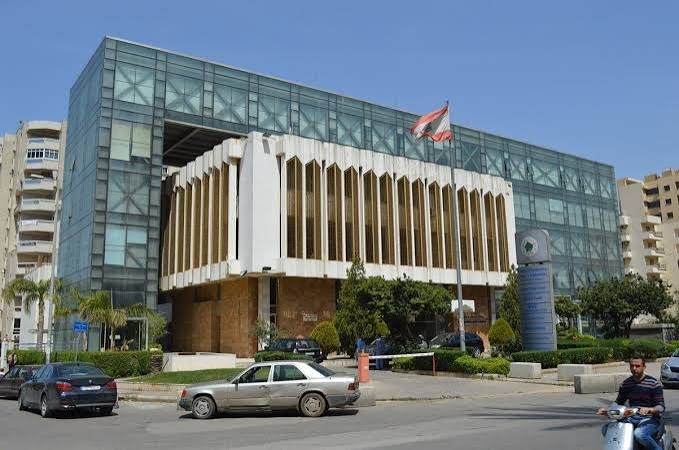
The Tripoli Chamber of Commerce has held discussions with Germany’s Konrad Adenauer Foundation (KAS) on possible ways to support young entrepreneurs and strengthen private-sector participation in Libya’s economy.
The meeting focused on creating opportunities for emerging business owners to develop their ideas, connect with investors and gain access to established professionals who can help turn business concepts into viable enterprises.
The discussions brought together Tripoli Chamber Chairman Anwar Abu Sitta and representatives of the German foundation, including Michael Bauer, who oversees its activities in Tunisia, Libya and Algeria, and Lukas Kobernag, a policy adviser in its Middle East and North Africa department.
Representatives from the Entrepreneurship Centre at the University of Tripoli and the Rihla for Sustainable Development organisation also attended the meeting.
Tripoli Chamber Seeks Stronger Support for Startups
A major issue discussed during the meeting was how the Tripoli Chamber of Commerce could play a greater role in helping young people establish and grow businesses.
The chamber wants to encourage aspiring entrepreneurs to move beyond business ideas by providing opportunities to engage with experienced business owners, private-sector professionals and potential partners.
Such engagement could help young founders understand the practical requirements of running a business, improve their proposals and identify opportunities within Libya’s commercial environment.
The participants also considered ways to create stronger links between new businesses and established companies. These connections could give startups access to professional guidance, industry knowledge and potential commercial partnerships.
The discussions reflect an effort to make entrepreneurship a more practical route into employment and economic participation for young Libyans.
Workshops and Exhibitions Proposed to Attract Investors
Another proposal involved organising workshops, business meetings and specialised exhibitions where entrepreneurs could present their projects to investors and decision-makers.
These activities would provide a platform for startup founders to explain their ideas, showcase products and services, and explore possible sources of funding.
Bringing entrepreneurs and investors together could also help businesses identify commercial partners and gain access to expertise that may otherwise be difficult for new companies to obtain.
Workshops, in particular, could offer opportunities for participants to strengthen their business plans, understand market requirements and improve their ability to attract investment.
However, the meeting focused on discussing possible areas of cooperation. The report did not announce a confirmed funding package, launch date or specific programme timetable.
University and Civil Society Groups Join the Initiative
The participation of the University of Tripoli’s Entrepreneurship Centre and Rihla for Sustainable Development highlighted the importance of cooperation beyond traditional business institutions.
Universities can contribute by helping students and graduates develop entrepreneurial skills, identify business opportunities and transform academic knowledge into commercial projects.
Civil society organisations can also support entrepreneurship through training, mentorship and initiatives that encourage young people to participate in economic activities.
By involving these groups alongside the chamber and the German foundation, the discussions explored a collaborative approach to developing Libya’s startup environment.
The proposed cooperation could help connect education, business development and investment opportunities, giving aspiring entrepreneurs access to a broader support network.
Private Sector Seen as Important to Libya’s Economic Development
The meeting comes as Libya continues to face the challenge of expanding employment opportunities and strengthening economic activity outside its traditional dependence on the oil sector.
A more active private sector could contribute to job creation, business diversification and the development of new industries. Small businesses and startups are particularly relevant because they can create employment opportunities while introducing new products and services.
For young people entering the labour market, entrepreneurship may provide an alternative to relying entirely on conventional employment opportunities.
However, new businesses often require more than good ideas to survive. Access to finance, reliable business networks, professional advice and a supportive regulatory environment can all influence whether startups are able to grow.
The proposals discussed by the Tripoli Chamber and Konrad Adenauer Foundation seek to address some of these challenges by encouraging stronger connections between emerging entrepreneurs, investors, established companies and educational institutions.
German Foundation’s Engagement With Libya’s Business Community
The involvement of the Konrad Adenauer Foundation adds an international dimension to the discussions.
The German organisation works across different policy and development areas, including economic cooperation and institutional development. Its representatives’ meeting with the Tripoli Chamber provided an opportunity to explore how both sides could contribute to private-sector development.
For the chamber, cooperation with international organisations could create additional opportunities to exchange expertise and build relationships that benefit Libyan businesses.
Although no final programme was announced, the discussions point to an interest in developing practical initiatives that could help young entrepreneurs gain visibility, improve their business proposals and connect with potential investors.
The success of any future initiative will depend on whether the proposals translate into accessible programmes, meaningful partnerships and opportunities for startups to secure the resources needed to expand.
For now, the meeting represents another effort to bring business institutions, international partners, universities and civil society organisations together around the goal of increasing youth participation in Libya’s economy.