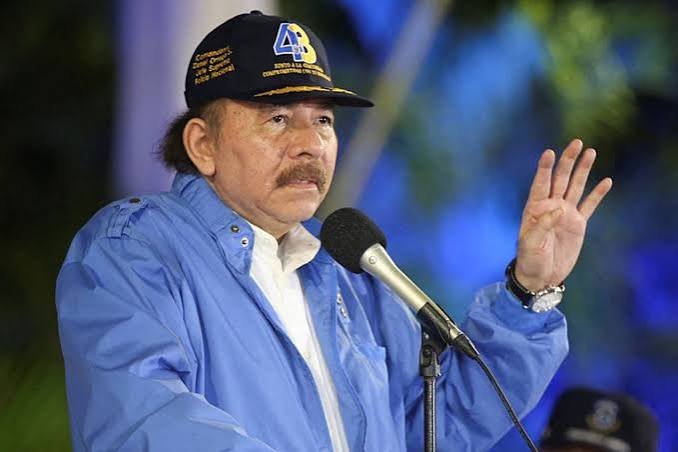
Nicaragua has announced its immediate withdrawal from the Central American Parliament, known as Parlacen, in a move that further distances the government of President Daniel Ortega and co-President Rosario Murillo from regional institutions.
The Nicaraguan Foreign Ministry said the government had formally denounced the 1987 treaty that established the six-country parliamentary body, arguing that the decision was made in the full exercise of the country’s sovereignty.
The announcement came shortly after the Organisation of American States (OAS) approved a resolution calling on Managua to restore civil liberties and release political prisoners.
Decision follows renewed regional criticism
Nicaragua’s exit from Parlacen is the latest in a series of moves that have increased its distance from international organisations.
The government previously withdrew from the OAS in 2023, accusing the organisation of serving as an instrument for US interference. Nicaragua also announced its departure from the United Nations Human Rights Council in 2025 following international criticism over its human rights record.
The latest decision therefore comes at a time when Managua is facing increased diplomatic pressure over its treatment of political opponents and restrictions on civil liberties.
The OAS recently urged the Nicaraguan government to free political detainees, restore civic freedoms and create conditions for inclusive elections. The organisation is also preparing a task force to engage with Nicaraguan authorities and people living in exile.
Ortega government faces accusations of repression
Nicaragua has been experiencing a prolonged political crisis since widespread protests erupted in 2018.
The demonstrations were violently suppressed, resulting in more than 350 deaths, thousands of injuries and large-scale arrests and displacement, according to reporting cited by Reuters. Since then, the Ortega-Murillo administration has faced repeated accusations of targeting opposition politicians, activists and other critics.
International criticism intensified further after Nicaragua’s government announced in July that elections would no longer be held in the country.
The move has raised concerns about the future of political competition and democratic institutions under Ortega, who has remained a dominant figure in Nicaraguan politics for decades.
Human rights concerns remain
The country’s international isolation has also been linked to allegations of serious human rights violations.
A United Nations report released in September documented deaths in state custody since the 2018 crackdown and raised questions about official explanations surrounding some of the cases.
One of those highlighted was Indigenous Miskito leader Brooklyn Rivera, who died in May after spending more than two years in detention. Human rights organisations have questioned the circumstances surrounding his death.
The Ortega administration has rejected outside pressure and repeatedly portrayed criticism from international organisations as interference in Nicaragua’s domestic affairs.
Nicaragua’s shrinking international engagement
The departure from Parlacen illustrates the widening gap between Nicaragua and several regional and international institutions.
The Central American Parliament was established through a treaty signed in Guatemala in 1987 and began operating in 1991 as part of efforts to promote political dialogue and regional integration.
Nicaragua’s withdrawal now adds another major regional institution to the list of organisations from which Managua has distanced itself.
The decision also comes as diplomatic disagreements over Nicaragua’s political direction continue to grow.
US also faces criticism over Nicaraguans
While Washington has strongly criticised Ortega’s government, the United States has itself faced scrutiny over its treatment of Nicaraguan political exiles.
Human Rights Watch has raised concerns about the detention of eight Nicaraguans in the United States, including people who were among political prisoners expelled from Nicaragua in 2023.
The rights organisation has warned against returning them to Nicaragua because they could face persecution or torture if deported.
This has added another complicated dimension to the dispute, with Nicaragua’s political crisis increasingly affecting relations between Managua, Washington and other governments in the region.
Regional isolation deepens
Nicaragua’s withdrawal from Parlacen is unlikely to resolve the political tensions surrounding the Ortega-Murillo government. Instead, it could reinforce the country’s growing isolation at a time when international pressure over democracy and human rights is increasing.
For the Nicaraguan government, the decision is being presented as an exercise of national sovereignty. For critics, however, it is another indication of Managua’s retreat from regional institutions designed to encourage political cooperation and democratic governance.
With questions surrounding elections, political prisoners and civil liberties still unresolved, Nicaragua’s relationship with its regional neighbours and international partners is likely to remain under close scrutiny.