The Gambia’s Independent Electoral Commission has approved nine candidates for the December 5 presidential election after reviewing 16 nomination submissions. Seven applications were rejected, and 11 aspirants or parties withdrew before the nomination period ended on November 14, according to the commission.
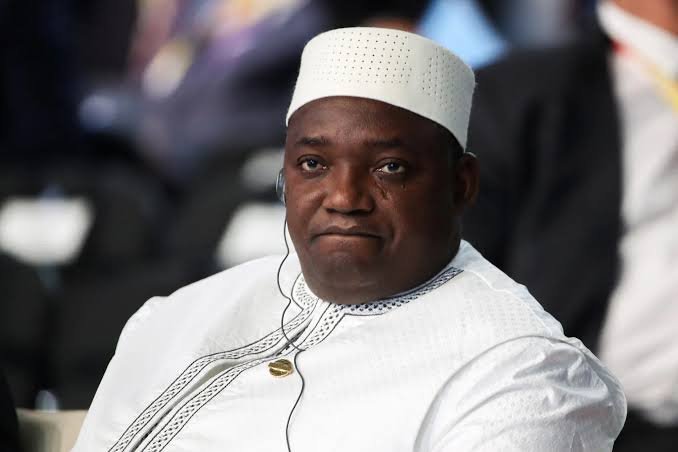
Incumbent President Adama Barrow, of the National People’s Party, is among those cleared to contest. He will face eight challengers: United Democratic Party leader A.N.M. Ousainu Darboe; Talib Ahmed Bensouda of the UNITE movement; Modou Lamin Sima of the Alliance of Progressive Citizens; Ebrima Tabora Manneh of the People’s Alliance Party; and Ansu Sanneh of the National Builders Party.
Three others will run as independents: Isatou Touray, Lamin J. Darbo and Almameh Gibba. Touray is the only woman on the approved list. The IEC said each of the nine accepted nomination papers was in order.
The commission reported that it issued 27 nomination forms to prospective candidates. Eleven aspirants or parties later withdrew, while 16 submitted papers for review. The seven rejected applicants were independent candidates Salieu Jallow, Joseph Henry Joof, Alieu Sowe, Papa Secka and Bakary K. Badjie, as well as Bakusa Dukureh of the Gambian Labour Party and Kebba Bojang of the National Democratic Party. The IEC said the applicants had been notified of issues with their submissions and told to collect formal notices of rejection.
The IEC’s final announcement closes the nomination stage and sets out the field that will appear in the presidential contest, subject to any subsequent developments. The commission’s statement does not describe the seven rejections as court rulings or provide details of any appeals. It says the papers were rejected after issues were identified during the nomination process.
Barrow is seeking another term in office. His candidacy places the incumbent at the centre of a contest that includes Darboe, a veteran opposition leader, alongside party-backed challengers and independent candidates. With nine names approved, the campaign will give candidates a formal period to present their programmes and seek support before voters go to the polls.
Official campaigning is scheduled to begin on November 16 and end on December 3, two days before election day. The IEC said it would first work to coordinate the approved candidates’ campaign schedules on November 15. It has urged candidates and supporters to comply with electoral laws and keep the campaign peaceful.
A peace pact is also planned for November 16, in partnership with International IDEA. The commission said candidates or their representatives would be invited to sign it at the Sir Dawda Kairaba Jawara International Conference Centre. The agreement is intended to encourage peaceful conduct by candidates and their supporters during the campaign period.
The schedule now moves quickly from nomination review to campaigning. After the campaign closes on December 3, voters are set to choose among the nine approved candidates on December 5. The IEC has not announced an election result, and the final list itself gives no indication of how voters will divide their support.
The nomination process has involved withdrawals as well as rejections, so the final field is smaller than the number of people who initially sought forms. The commission’s figures distinguish those stages: 27 forms were issued, 11 aspirants or parties withdrew, 16 papers were filed, and seven of those were rejected. Nine candidacies were accepted.
For the candidates, the immediate task is to prepare for a campaign lasting just over two weeks. The IEC’s published timetable includes a coordination meeting, a peace pact signing and the campaign window. The December vote will determine whether Barrow secures another term or one of the eight challengers wins the presidency.