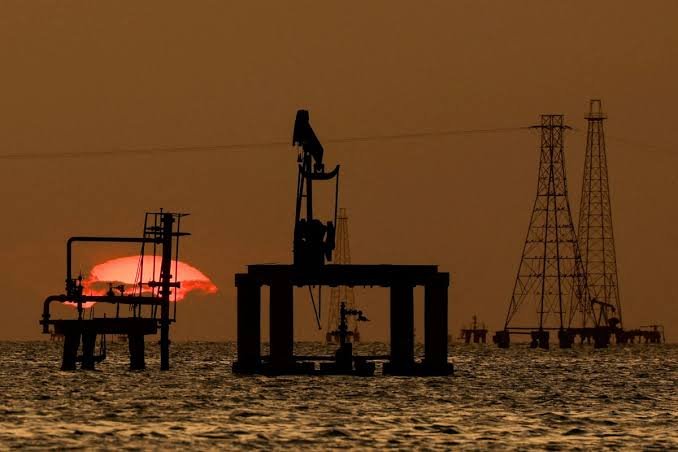
Libya’s oil industry has suffered another major disruption after an armed group shut a valve on a pipeline transporting crude from the country’s Sharara oilfield to the western port of Zawiya.
The closure has sharply reduced production at Sharara, one of Libya’s most important oilfields, prompting the country’s National Oil Corporation (NOC) to warn of potentially wider consequences if the disruption continues.
The NOC said the group closed Valve No. 7 on Monday, stopping the normal flow of crude through the pipeline. The resulting pressure buildup in the system has forced production at the field to fall significantly.
Two engineers cited by Reuters said output had dropped by about 200,000 barrels per day, leaving production at roughly 100,000 to 105,000 barrels per day.
Sharara oilfield hit by pipeline shutdown
Located in southwestern Libya, the Sharara field is the country’s largest oilfield and has a production capacity of roughly 300,000 to 340,000 barrels per day, depending on operating conditions. It is situated in the Murzuq Desert, hundreds of kilometres south of Tripoli.
Crude from the field is transported through a major pipeline towards Zawiya, where it supports both export operations and refinery activity.
The latest shutdown therefore threatens more than oil production alone.
The NOC said its technical teams have been unable to access the area around Valves 6 and 7. The corporation also contacted the Petroleum Facilities Guard in southwestern Libya and called on it to intervene, but said its appeals had so far produced no results.
Libya warns of wider economic impact
The NOC has warned that a prolonged closure could eventually stop production, transportation and exports connected to the Sharara field.
Such an outcome would put additional pressure on Libya’s public finances because the country relies heavily on oil revenue.
The corporation said lower production would reduce government income, particularly at a time when international oil prices remain elevated.
The disruption could also affect the Zawiya refinery, with the NOC warning that continued interruption of crude supplies could force the facility to shut down.
A refinery shutdown could increase Libya’s dependence on imported fuel and raise the cost of meeting domestic energy needs.
NOC considers force majeure
The National Oil Corporation has called for the pipeline to be reopened immediately and warned that it could be forced to declare force majeure if the shutdown continues.
Force majeure is a contractual provision that can allow companies to suspend certain obligations when circumstances outside their control prevent them from fulfilling agreements.
The NOC has used the possibility of such a declaration in previous oil disruptions as Libya’s energy infrastructure has repeatedly been affected by political disputes, protests and armed activity.
The corporation urged those responsible for the closure to reopen the pipeline and called on authorities to strengthen security around oil installations.
Libya’s oil sector faces repeated disruptions
The latest incident is another setback for Libya’s oil industry, which has faced repeated interruptions since the fall of longtime leader Muammar Gaddafi in 2011.
Oil facilities have frequently become flashpoints for political and economic disputes, with armed groups and protesters at times targeting fields, pipelines and export infrastructure.
Just days before the latest Sharara disruption, another pipeline closure affected oilfields in western Libya. The NOC had warned at the time that prolonged disruptions could also lead to a force majeure declaration.
These repeated incidents highlight the vulnerability of Libya’s oil infrastructure and the importance of uninterrupted crude production to the country’s economy.
What happens next?
The immediate priority for Libya’s oil authorities is restoring access to the affected pipeline and preventing further damage to the country’s production and transportation network.
The identity of the armed group responsible for the latest closure and its demands have not been publicly disclosed by the NOC.
If the valve remains closed, Libya could face further reductions in crude output, disruptions to exports and pressure on domestic fuel supplies.
The situation also comes as global oil markets remain sensitive to supply disruptions in major producing regions.
For Libya, however, the immediate concern is domestic: protecting its oil infrastructure, maintaining production and avoiding another prolonged interruption to one of the country’s most important sources of government revenue.
The Sharara pipeline shutdown therefore represents more than a temporary production problem. If the disruption persists, it could affect Libya’s oil exports, refinery operations and public finances at a time when the country remains heavily dependent on its energy sector.