Morocco’s 2026 parliamentary election is taking place against the backdrop of growing youth frustration over unemployment, healthcare, education and economic opportunities.
The election, scheduled for September 23, comes almost a year after youth-led protests placed the concerns of Morocco’s younger generation firmly at the centre of national debate.
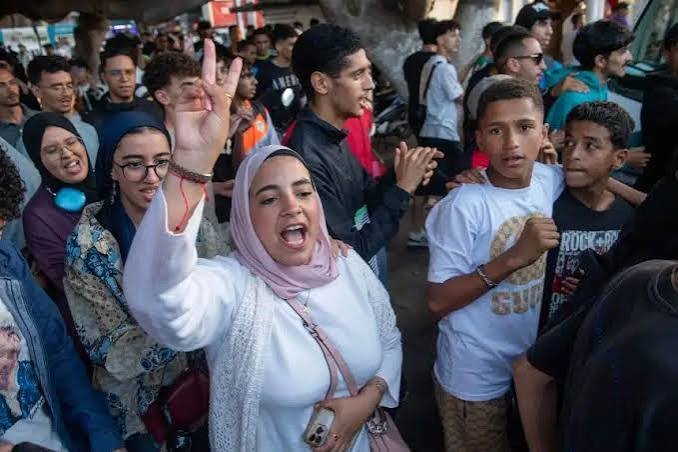
Known as GenZ 212, the youth movement used social media to mobilise demonstrations and demand improvements in public services. Now, as Moroccans head to the polls, some young activists and candidates are attempting to take those demands from the streets and online platforms into parliament.
The development has made the Morocco election 2026 an important test of whether youth activism can translate into greater political participation.
Morocco youth unemployment remains a major concern
One of the biggest issues facing young Moroccans is unemployment.
Youth unemployment has remained significantly higher than the national rate, creating concerns among graduates and young people looking for stable employment. The issue has consequently become a major theme in the campaigns of political parties contesting the election.
Young Moroccans are also seeking better access to healthcare and education, affordable housing and greater economic opportunities.
These concerns were among the issues that helped drive the youth protests in 2025, when demonstrators gathered in several Moroccan cities to demand improvements to public services.
The protests also generated debate about government spending priorities, particularly investment linked to major infrastructure and sporting projects while sections of the population continued to face difficulties accessing quality public services.
Gen Z moves from protests to politics
The emergence of young candidates in the Morocco parliamentary election represents a new phase in the country’s youth political engagement.
Rather than limiting their participation to demonstrations and online campaigns, some young Moroccans are now seeking political office and attempting to influence government policy from within the political system.
Their campaigns have focused heavily on issues affecting younger citizens, including employment, education, healthcare and living standards.
However, not every young Moroccan believes elections will produce meaningful change.
Some remain sceptical about traditional political parties and question whether campaign promises will translate into concrete improvements. Others see voting and political participation as necessary tools for influencing government decisions.
How many people will vote in Morocco?
More than 15 million Moroccans are registered for the parliamentary election, which will determine the members of the country’s House of Representatives.
Young people, however, account for a relatively small proportion of registered voters.
This presents a challenge for political parties seeking to win greater support among Morocco’s younger population. While young people have demonstrated their ability to mobilise through social media and street protests, translating that energy into electoral participation is a different challenge.
The gap between youth activism and voter registration has therefore become an important part of the conversation surrounding the Morocco election 2026.
Political parties target young Moroccan voters
Major Moroccan political parties have made employment and living standards central issues in their election campaigns.
Parties within the governing coalition have proposed large-scale job creation plans, with employment expected to remain one of the most closely watched issues after the election.
Other political programmes have focused on healthcare, education, purchasing power and social protection.
For young voters, the key question is whether these promises will result in practical improvements after the election.
What the Morocco election means for young people
The election comes at a significant moment for Morocco’s younger generation.
The GenZ 212 protests demonstrated the growing influence of young people in shaping national conversations, particularly through social media. The movement also showed that dissatisfaction with public services could quickly develop into nationwide political pressure.
The transition from street activism to electoral politics, however, remains uncertain.
Some young people are entering the political process directly, while others remain doubtful about whether established parties can deliver the changes they are demanding.
For Morocco, the election could therefore provide an indication of how effectively the political system can respond to the concerns of a younger population.
For African audiences, the development is also significant because youth unemployment, access to education, healthcare and political participation are issues shared by many countries across the continent.
As Moroccan voters cast their ballots, attention will remain on whether the concerns raised by Gen Z protesters in Morocco will translate into stronger political participation and concrete policy commitments.
The outcome will offer another important chapter in the relationship between Morocco’s young population and its political institutions.