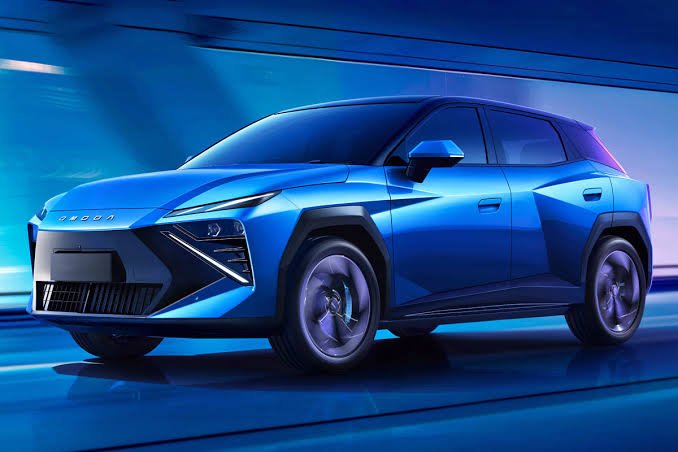
China’s Chery Group has selected the Omoda C4 crossover SUV as the first vehicle it plans to manufacture in South Africa, marking a major step in the company’s efforts to establish a stronger automotive production presence on the continent.
The vehicle is scheduled to be produced at the company’s Rosslyn manufacturing facility near Pretoria, Gauteng, following Chery’s acquisition of the former Nissan plant earlier in 2026. The move signals a shift beyond importing vehicles into South Africa towards developing a local manufacturing operation that could support domestic suppliers and future exports.
The Omoda C4 is expected to reach South African buyers in 2027, with petrol-powered, hybrid and fully electric versions planned for the local market. The company has yet to announce final local pricing and complete specifications.
Rosslyn Plant to Become a Key Part of Chery’s African Strategy
The Rosslyn facility is central to Chery’s plans to expand its footprint in South Africa. By using the former Nissan manufacturing site, the Chinese automaker aims to build a foundation for local vehicle production rather than depending entirely on imported cars.
Before manufacturing begins, the facility will require infrastructure and utility improvements. Chery also plans to strengthen the local automotive supply chain by encouraging South African businesses to supply components for its vehicles.
The initiative aligns with South Africa’s broader ambition to increase domestic manufacturing, attract investment and maintain its position as one of Africa’s leading automotive production centres.
According to reported production plans, Chery expects output to reach approximately 15,000 vehicles during the initial ramp-up period in the third and fourth quarters of 2027. The company ultimately aims to increase annual production capacity to around 50,000 vehicles.
Omoda C4 to Offer Petrol, Hybrid and Electric Options
The Omoda C4 will give South African motorists several powertrain options, with conventional petrol, hybrid-electric and battery-electric versions planned.
The variety is intended to serve customers with different budgets, driving requirements and preferences regarding fuel consumption and electric mobility.
The crossover has been designed with younger motorists in mind, combining an angular exterior with a technology-focused cabin. Internationally showcased features include a 13.2-inch central infotainment screen, a panoramic camera system and 50W wireless phone charging.
However, the precise equipment available in South African models may differ from international versions. Buyers will have to wait for the company to confirm local specifications and pricing before making a detailed comparison with competing vehicles.
More Chery Group Models Could Follow
The Omoda C4 is expected to be the first vehicle produced under the group’s wider South African manufacturing programme, rather than the only model planned for the Rosslyn facility.
Other vehicles identified for local production include the Jetour T2 SUV and the upcoming Chery Grootman pickup truck. The expansion could allow the company to serve a broader range of customers while increasing the use of the plant and its supporting supplier network.
Chery’s plans come as Chinese vehicle manufacturers seek opportunities in overseas markets. Competition within China’s automotive industry and slower domestic growth have encouraged several manufacturers to expand internationally.
South Africa offers an established automotive industry, manufacturing infrastructure and access to regional markets, making it an attractive base for companies looking to grow their African operations.
Potential Benefits for South Africa’s Automotive Industry
Chery’s manufacturing plans could create new opportunities for South African component suppliers and businesses providing services to the automotive sector.
Increasing local sourcing may also help domestic manufacturers become more involved in international vehicle supply chains. The extent of these benefits, however, will depend on how much production takes place locally and how quickly the supplier development programme progresses.
The company has also retained employees from the former Nissan facility, with reports indicating that 692 workers were kept on and are undergoing training ahead of production. This provides an existing workforce that can support the transition to Chery’s manufacturing operations.
Nevertheless, the company has not disclosed a complete forecast of additional employment opportunities or the final value of its local manufacturing investment.
What the Omoda C4 Announcement Means for South African Buyers
The planned production of the Omoda C4 represents a significant development for Chery’s South African business. Local manufacturing could strengthen the brand’s position, broaden its vehicle offering and provide a platform for introducing additional models.
For consumers, the availability of petrol, hybrid and fully electric versions could provide more choice as the market evolves. Whether local production will translate into lower prices remains uncertain, as the company has not yet announced its South African pricing structure.
The next important milestones will be the completion of plant preparations, the confirmation of local vehicle specifications and the start of production in 2027.
If Chery achieves its planned production targets, the Rosslyn facility could become an important part of its strategy to establish South Africa as a regional centre for manufacturing, exports and automotive development.