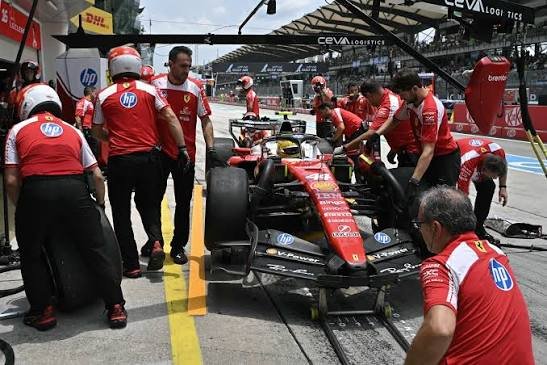
Rwanda is reportedly on the verge of securing a historic agreement to host a Formula 1 Grand Prix, potentially bringing the world’s premier motorsport competition back to Africa for the first time since 1993.
The East African country has emerged as the leading contender in the race to secure an African stop on the Formula 1 calendar, moving ahead of competing ambitions from South Africa and other interested countries, including Nigeria.
According to reports citing Rwandan government officials and sources close to the Fédération Internationale de l’Automobile (FIA), the governing body of international motorsport, Rwanda’s bid has received approval in principle, with a formal announcement expected.
However, the agreement had not been officially announced by Rwanda or the FIA at the time of reporting. The proposed race is expected to take place from 2030, subject to the final arrangements and development of the necessary facilities.
If confirmed, the deal would represent a major milestone for African motorsport and strengthen Rwanda’s efforts to attract international visitors, investment and global recognition through high-profile sporting events.
Rwanda Edges Ahead in Competition for F1 Return
Rwanda has spent considerable time pursuing the opportunity to bring Formula 1 back to the African continent.
The country formally announced its ambition to host a Grand Prix in December 2024, with President Paul Kagame expressing confidence in Rwanda’s ability to meet the requirements associated with such a major international event.
The reported progress of the bid suggests that the country has moved ahead of other African contenders seeking to secure a place on the championship calendar.
South Africa, which last hosted an African Formula 1 race in 1993, has also been campaigning for the sport’s return. Nigeria has expressed interest in hosting a Grand Prix as well, while other potential African locations have attracted attention in discussions about expanding the championship’s geographical reach.
Rwanda’s proposed event would require the development of a permanent racing circuit near Bugesera Airport, outside the capital, Kigali. Constructing a facility capable of meeting Formula 1 standards is expected to require substantial investment and careful planning.
The project would also need to satisfy the sport’s technical, safety and operational requirements before a race could be staged.
Although an official announcement remains important, the reported agreement marks a significant step forward for Rwanda’s ambition to establish itself as a major destination for international sporting events.
Why Rwanda Wants to Host Formula 1
Rwanda’s interest in Formula 1 extends beyond the spectacle of fast cars and international competition.
The government has increasingly used global sporting events and partnerships to promote the country as a destination for tourism, conferences and investment.
Hosting a Formula 1 race could provide Rwanda with international exposure, placing Kigali before millions of television viewers and motorsport fans around the world.
The event could also attract visitors from Europe, Asia, the Americas and other African countries, creating potential opportunities for hotels, restaurants, transport providers, tour operators and other businesses.
A successful Grand Prix could generate additional demand for flights and accommodation while encouraging further investment in tourism facilities and supporting infrastructure.
However, the economic benefits would depend on factors such as visitor numbers, the cost of organising the event, infrastructure expenditure and the extent to which local businesses benefit from the influx of international guests.
Formula 1 hosting rights are expensive, and countries must weigh the potential tourism and commercial gains against the financial commitments involved.
For Rwanda, the challenge will be ensuring that the proposed race delivers lasting economic value beyond the event itself.
Lewis Hamilton Has Long Called for an African Grand Prix
Seven-time Formula 1 world champion Lewis Hamilton has been among the sport’s most prominent advocates for bringing a race back to Africa.
The British driver has repeatedly questioned why the continent remains absent from the championship calendar despite its size, population and growing interest in international sport.
Hamilton has also spoken about his personal connection to Africa and his desire to compete on the continent before ending his Formula 1 career.
His support has helped maintain attention on the issue, with the driver encouraging Formula 1 officials and other stakeholders to take the prospect of an African race seriously.
Rwanda has previously attracted major motorsport figures and international attention through its involvement in sporting events. The country hosted the FIA’s annual prize-giving ceremony in 2024, when Kagame publicly outlined its interest in securing a Grand Prix.
Hamilton has also praised Rwanda following his visits to Africa, adding to the visibility of the country’s campaign.
An African race would provide an opportunity for local motorsport fans to watch the championship in person while potentially inspiring greater participation in racing and related technical industries.
South Africa Remains Hopeful Despite Rwanda’s Progress
Rwanda’s apparent lead in the competition could be a setback for South Africa, which has a longer history of hosting Formula 1.
The country last staged a Grand Prix at the Kyalami circuit near Johannesburg in 1993. Since then, efforts to restore the race have faced financial, technical and logistical challenges.
South Africa has been working on plans to upgrade Kyalami to meet the highest standards required for Formula 1 events. Such improvements would be necessary before the circuit could return to the championship calendar.
South African Sports Minister Gayton McKenzie has congratulated Rwanda on its progress while maintaining that his country could still secure a Grand Prix of its own.
His position reflects the possibility that Africa could eventually host more than one Formula 1 event, provided the championship’s organisers consider the commercial and scheduling arrangements viable.
Formula 1 already features multiple races in some countries and regions, demonstrating that a Rwandan Grand Prix would not necessarily have to end South Africa’s ambitions.
Nevertheless, competition for places on the calendar remains intense, as the championship must balance the interests of existing hosts with proposals from new markets.
What About Nigeria’s Formula 1 Ambition?
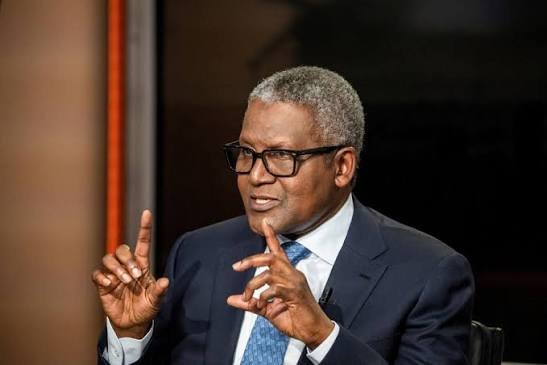
Nigeria is among the African countries that have expressed interest in hosting a Formula 1 race, with Abuja previously discussed as a potential location.
A Nigerian Grand Prix could expose the country to a global audience while creating opportunities in tourism, hospitality, transport and entertainment.
However, hosting a race would require significant investment in facilities, transport systems, security, accommodation and other supporting infrastructure. Any proposed venue would also have to meet Formula 1’s demanding safety and operational standards.
Rwanda’s reported progress demonstrates how difficult it can be for countries to turn an ambition into a viable hosting agreement.
For Nigeria and other interested nations, the development may increase pressure to develop credible proposals and demonstrate that they can meet the championship’s requirements.
At the same time, Rwanda’s potential success could help strengthen the wider case for African motorsport by demonstrating the continent’s capacity to host major international competitions.
Formula 1 Could Return to Africa in 2030
Formula 1 has not held a Grand Prix on the African continent since the South African race at Kyalami in 1993.
A return in 2030 would therefore mark a major change for a championship that has expanded into new markets while Africa has remained absent from its calendar.
The sport has experienced growing global popularity in recent years, supported by international broadcasting, social media and the success of documentaries that have introduced new audiences to the drivers and teams.
Africa offers a large and youthful potential audience, making the continent an attractive prospect for a sport seeking to expand its international reach.
For Rwanda, securing the race could become one of the country’s most significant sporting achievements and reinforce its strategy of using international events to raise its global profile.
Still, the final outcome depends on an official confirmation, the completion of the necessary agreements and the delivery of infrastructure capable of hosting the championship.
If those steps are completed, Rwanda could become the first African country in more than three decades to stage a Formula 1 Grand Prix, opening a new chapter for motorsport on the continent.