One year after a youth-led protest movement helped force Madagascar’s former president from power, some of the activists who participated in the demonstrations say the country’s new military-backed leadership has failed to deliver the changes they expected.
The protests began in September 2025, initially driven by public frustration over persistent shortages of water and electricity. The demonstrations later expanded into a wider challenge to the government of President Andry Rajoelina.
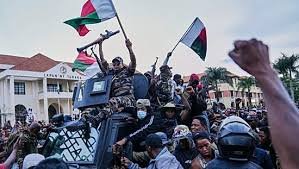
The situation changed dramatically when soldiers from the Capsat military unit joined the protesters in October. Rajoelina subsequently left the country, while the military took control and installed Colonel Michael Randrianirina as interim leader.
For some young protesters, what initially appeared to be a major political victory has since become a source of disappointment.
Youth movement wanted major reforms
The demonstrations attracted significant support among young people, particularly in urban areas.
The movement’s early demands focused heavily on basic services, including reliable access to electricity and water. As the protests expanded, however, broader concerns about governance and political accountability became part of the movement.
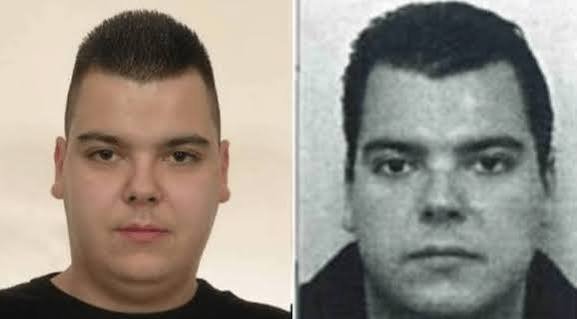
Herizo Andriamanantena, one of the figures associated with the protests, said the initial involvement of the military produced feelings of relief and optimism among demonstrators.
But according to his account, the changes that followed have been limited.
The activist later participated in another demonstration calling for faster reforms. That protest ended with his arrest alongside other activists.
Activists arrested after challenging new authorities
Herizo said he was detained for 13 days after being accused of endangering state security and having links to individuals allegedly planning another coup.
He has rejected the allegations.
Another activist, Nomena Ratsihorimanana, also described being arrested during the crackdown. He alleged that security personnel assaulted him before taking him into custody.
The accusations have not been independently established in court, while the authorities’ justification for the arrests remains part of the wider political dispute.
A lawyer representing activists told AFP that laws relating to threats against state security have historically been used against political opponents in Madagascar.
‘It feels like a betrayal’
Some members of the protest movement say the military authorities have failed to deliver the transformation they expected after Rajoelina’s departure.
Felana Andriatahina, another activist involved in organising the demonstrations, described the situation as a betrayal.
She argued that the protesters played a significant role in creating the political circumstances that allowed the current authorities to take control.
The sentiment illustrates a growing divide among people who participated in the original movement. While some continue to support the military-led government, others are increasingly critical of its approach to dissent and reform.
Movement was not a single political group
Despite being widely described as Madagascar’s “Gen Z” movement, the protests did not consist of one unified political organisation.
The movement brought together young people with different political views and backgrounds.
Its online presence was significant, with one Facebook page associated with the movement reportedly attracting about 200,000 followers at the height of the protests. The page was later hacked and removed before the military changed sides, according to activists.
Political scientist Ketakandriana Rafitoson noted that the movement contained several different factions, making it difficult to identify a single leadership structure or unified political agenda.
Military government promises elections
The military authorities have said elections will eventually be held.
Colonel Michael Randrianirina, who assumed the country’s interim leadership following the military takeover, has promised elections by the end of 2027, according to reports.
However, some activists remain cautious about official plans to commemorate the anniversary of the protests.
Events planned in the capital, Antananarivo, include a march, the unveiling of a monument and a speech by Randrianirina at May 13 Square, a location with a long history of political demonstrations in Madagascar.
Some former activists fear the anniversary could be used to portray the military takeover as the natural conclusion of their movement rather than as a separate political development.
Madagascar’s political future remains uncertain
The developments in Madagascar highlight the complicated aftermath that can follow a youth-led protest movement.
The demonstrations succeeded in forcing a major political change, but disagreements have emerged over what should come next.
Some activists want faster democratic and economic reforms, while others have maintained support for the military authorities.
The country’s political situation therefore remains unsettled as the interim government prepares for a future election.
For the young people who helped drive the 2025 demonstrations, the central question is whether the political change they helped trigger will eventually deliver the reforms they originally demanded.
A year after the protests began, their increasingly public criticism suggests that the movement’s struggle did not end when Rajoelina left office.