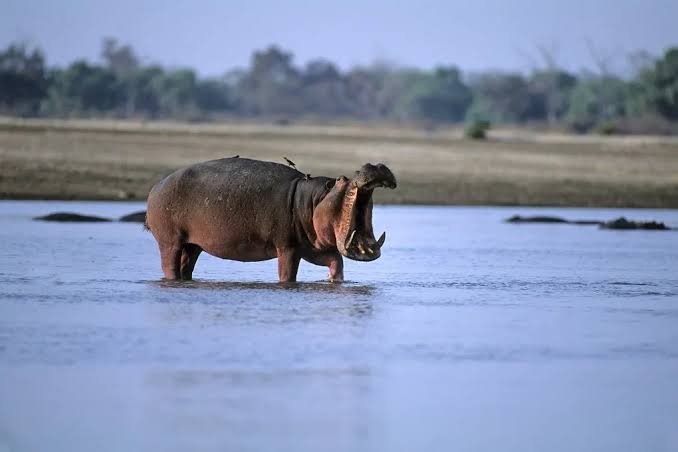
Two hippopotamuses have died at Lake Naivasha in Kenya after ingesting discarded fishing nets and maize stalks, according to investigations by the Kenya Wildlife Service (KWS).
Postmortem examinations conducted by wildlife veterinary officers established that one of the animals died after swallowing synthetic fishing materials that obstructed its digestive system, while the second suffered severe stomach bloating linked to the consumption of maize stalks.
The findings have raised fresh concerns about the dangers of improperly disposed waste and human activities around wildlife habitats, particularly in areas where fishing and other economic activities take place alongside animals.
According to KWS, the examination of a sub-adult female hippo revealed a compacted mass of discarded fishing nets inside its stomach. The materials had created a complete blockage at the junction between the stomach and the small intestine, preventing normal digestion.
Veterinary officers said the obstruction triggered serious physiological complications that eventually led to the animal’s death. The complications included cardiopulmonary failure and other conditions associated with the blockage.
Source: Kenya Wildlife Service findings reported by The Star and other Kenyan media.
Fishing Nets Found Inside Hippo’s Digestive System
The veterinary investigation found that the synthetic fishing nets had accumulated into a solid mass, completely blocking the passage of food through the animal’s digestive tract. The blockage resulted in serious health complications, with officers identifying the obstruction as the primary factor behind the hippo’s fatal condition.
The case highlights the dangers of fishing equipment abandoned in lakes and rivers, as wildlife can accidentally swallow discarded nets while feeding or moving through aquatic environments.
Fishing nets and other synthetic materials can remain in water bodies for extended periods, posing risks to aquatic animals and wildlife that depend on those ecosystems for survival.
Maize Stalks Suspected in Second Hippo’s Death
The second case involved an adult female hippopotamus whose postmortem examination revealed severe stomach distension caused by gas accumulation.
Veterinary officers found that the animal’s stomach had become excessively swollen, pushing the diaphragm towards the chest cavity and placing significant pressure on the lungs. The condition interfered with the hippo’s breathing and eventually contributed to cardiopulmonary failure.
Maize stalks were found among the stomach contents and were suspected of contributing to excessive food intake and fermentation in the digestive system.
According to the wildlife authorities, the fermentation process may have produced excessive gas, leading to acute gastrointestinal bloating. The condition subsequently affected the animal’s respiratory system, making it difficult to breathe normally.
The veterinary findings suggest that inappropriate food materials and dietary overload may pose serious risks to hippopotamuses, particularly when animals come into contact with food waste or agricultural materials around human settlements.
KWS Appeals to Fishermen and Local Communities
Following the findings, the Kenya Wildlife Service urged fishermen, local residents and beach management groups around Lake Naivasha to adopt more responsible environmental practices.
The agency called on fishing communities to ensure that nets, fishing gear and other equipment are properly handled and disposed of instead of being abandoned in the lake or along its shores.
KWS also warned against exposing wildlife to unsuitable food materials, stressing that feeding animals inappropriate items can interfere with their natural feeding habits and potentially endanger their lives.
The agency said protecting wildlife requires the cooperation of communities, fishermen and other stakeholders who live, work and conduct business around wildlife habitats.
The appeal comes amid concerns over wildlife deaths linked to human activities in different parts of Kenya, highlighting the need for better waste management and stronger efforts to protect animals from hazardous materials.
Concerns Over Wildlife Protection at Lake Naivasha
Lake Naivasha is one of Kenya’s important freshwater ecosystems, supporting wildlife, fishing activities, tourism and communities that depend on its resources.
The deaths of the two hippos have underscored the challenges of maintaining a balance between human activities and wildlife conservation, particularly in areas where animals share habitats with people.
Discarded fishing gear, food waste and other environmental pollutants can threaten wildlife when they are improperly managed. Conservation efforts therefore depend not only on wildlife authorities but also on individuals and businesses operating around natural habitats.
KWS has reiterated that protecting wildlife is a shared responsibility, urging communities to take practical steps to reduce environmental hazards and preserve the ecosystem.
The veterinary findings serve as a warning that seemingly ordinary waste and food materials can have deadly consequences for wildlife, reinforcing the importance of responsible fishing practices and environmental stewardship around Lake Naivasha.