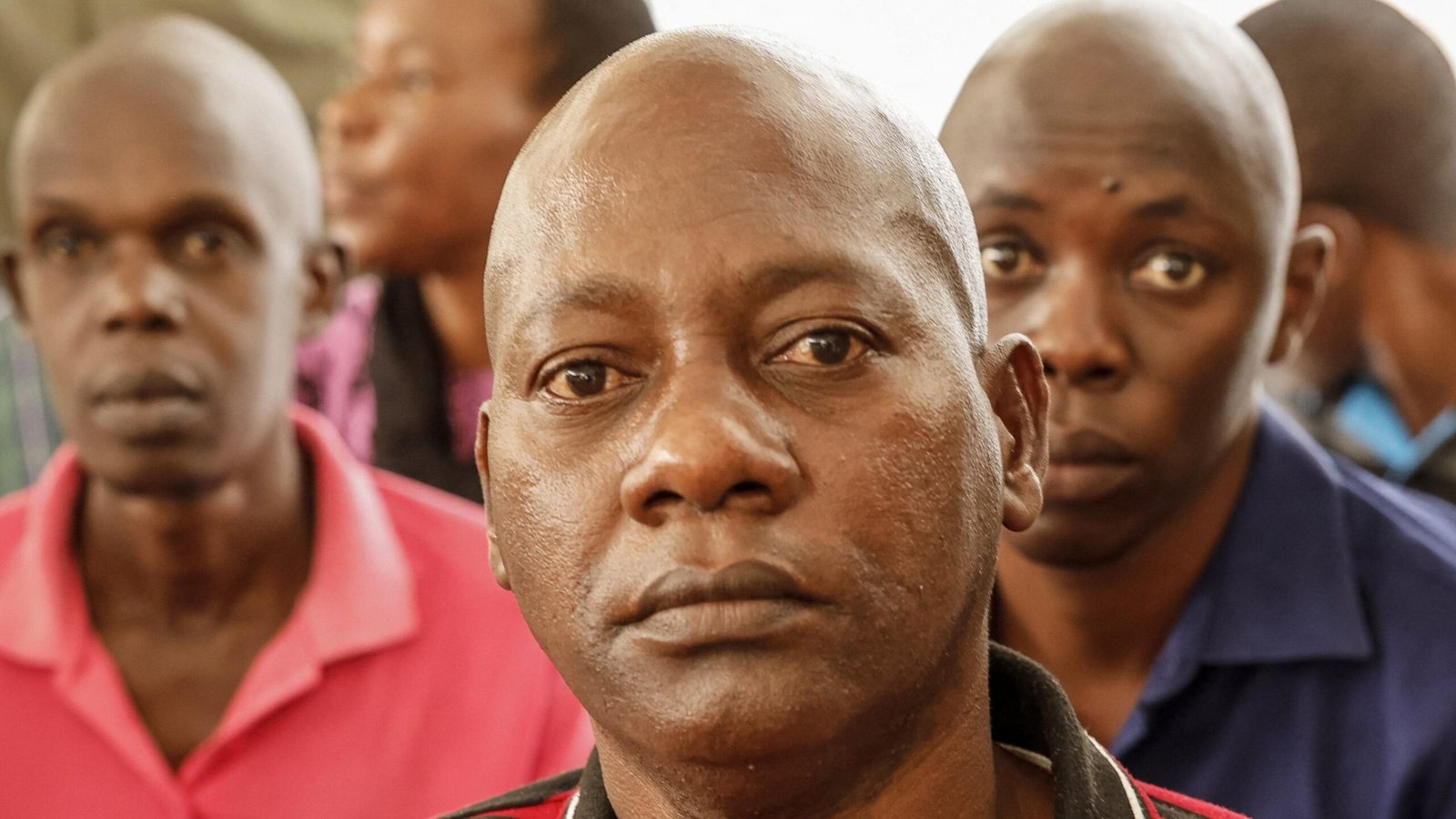
A Kenyan court has convicted preacher Paul Nthenge Mackenzie and 28 co-accused over the deaths of 191 people linked to a religious movement that promoted extreme fasting, bringing a major development in one of the country’s most disturbing criminal cases.
The ruling was delivered on Monday, October 19, 2026, following a trial connected to the deaths of 190 children and one adult at the centre of the Shakahola tragedy in coastal Kenya. The court found that the prosecution had established the defendants’ responsibility for the murders.
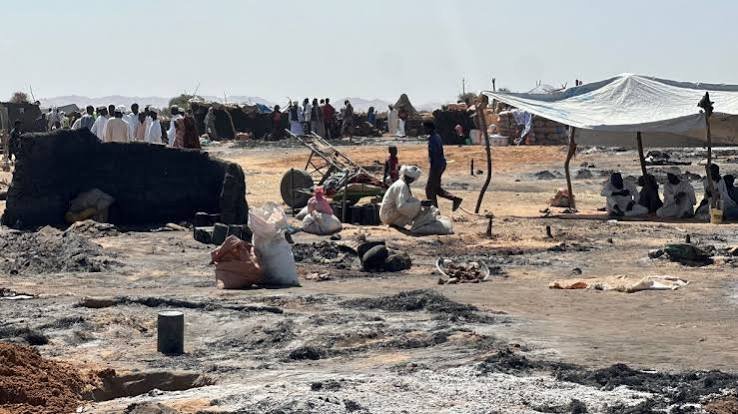
The case attracted international attention in 2023, when investigators discovered mass graves in Shakahola Forest, near the coastal town of Malindi. Subsequent investigations uncovered hundreds of bodies, exposing the scale of the tragedy and raising serious questions about how the group had continued operating despite earlier encounters with law enforcement.
Mackenzie, who led the Good News International Church, was accused of using extreme religious teachings to persuade followers to starve themselves and their children in the belief that death would allow them to reach heaven.
Court Rules Against Mackenzie and 28 Co-Accused
The verdict marks a significant step in the legal proceedings arising from the Shakahola deaths. According to reports from the court, the prosecution argued that the victims died as a result of an organised fasting system imposed on members of the group.
Justice Diana Kavedza found that the evidence supported murder convictions against the 29 defendants in the case. The prosecution’s case examined how the fasting practices were implemented and the roles allegedly played by Mackenzie and his associates.
The victims included a large number of children, making the case particularly devastating for families and communities across Kenya. Investigators and prosecutors described a system in which children were subjected to fasting before other groups of followers.
Mackenzie and the other defendants had denied the murder charges. The case proceeded through the courts as prosecutors presented evidence about the deaths and the circumstances in which followers were living at the remote site.
The conviction is an important legal development for the families seeking accountability, although it does not resolve every question arising from the wider Shakahola investigation.
How the Shakahola Tragedy Came to Light
The investigation began in April 2023 after authorities received information about people believed to be in danger at the religious group’s settlement in Shakahola Forest, in Kilifi County.
Police subsequently discovered shallow graves and began recovering human remains. As the investigation expanded, the number of victims continued to rise, turning the case into a national crisis.
The Kenya National Commission on Human Rights reported in 2024 that the death toll had reached 429. Some victims remained unidentified, while investigators continued examining evidence linked to the deaths. The 191 murders covered by the latest verdict represent only part of the wider tragedy.
The discovery also prompted questions about the supervision of religious organisations and the ability of authorities to intervene when religious teachings put lives at risk.
The case drew particular scrutiny because Mackenzie had previously come to the attention of law enforcement. He was arrested in 2017 in connection with allegations of radicalisation but was acquitted. He was arrested again in 2019 over a case involving two child deaths and later released on bail.
His church was reportedly shut down in 2019, after which he moved his activities to Shakahola Forest. The subsequent discovery of mass graves raised questions about why earlier interventions had failed to prevent the loss of so many lives.
Religious Teachings and the Fatal Fasting System
Mackenzie established the Good News International Church in 2003 and built a following through his preaching. Over time, his messages became increasingly focused on the end of the world and the need for followers to prepare for what he described as a coming religious event.
Investigators said followers were encouraged to abandon ordinary activities and undertake extreme fasting. Prosecutors argued that the practice was not simply a matter of personal religious choice but formed part of a system that led to the deaths of vulnerable people, including children.
Evidence presented in the case also raised concerns about the isolation of followers from wider society. Reports indicated that members were discouraged from using schools and hospitals, which were portrayed negatively in the group’s teachings.
Prosecutors said some victims died from starvation, while post-mortem findings also identified other causes of death, including asphyxia, neck compression and traumatic head injuries. These findings formed part of the evidence used to establish the circumstances surrounding the deaths.
The case has since become a powerful warning about the dangers of religious manipulation and the need to protect people who may be vulnerable to coercive leadership.
Families Seek Justice for Their Loved Ones
For families who lost relatives in Shakahola, the court’s decision represents an important moment in a long and painful search for accountability.
Some families lost several members, including children. The lengthy investigation and the difficulty of identifying victims have added to the suffering of relatives who have waited years for answers.
The case also exposed broader concerns about public protection and the responsibilities of authorities when allegations of abuse emerge within religious groups.
Kenyan President William Ruto has previously acknowledged that government agencies should have prevented the tragedy. The national debate following the discoveries has included calls for stronger oversight of religious institutions and better coordination among law enforcement agencies.
However, any regulatory response is likely to raise questions about how to prevent harmful practices while protecting freedom of religion and the rights of people to worship peacefully.
Mackenzie Faces Further Legal Proceedings
Although the latest conviction addresses 191 murders, other allegations connected to the wider investigation remain separate from this case.
In January 2026, Mackenzie was charged in connection with another 52 bodies discovered at Kwa Binzaro, a location near Shakahola. Prosecutors alleged that offences linked to those deaths occurred while he was already in detention. Mackenzie has denied the allegations in that separate case.
A sentencing hearing in the 191-murder case is scheduled for November 6, 2026, according to reports following the verdict.
The latest ruling is therefore a major milestone, but the wider legal process surrounding the Shakahola deaths is not yet complete.
For Kenya, the case has become a defining test of accountability following mass loss of life linked to a religious movement. It has also intensified demands for authorities to act earlier when credible warnings suggest that people may be facing serious harm.
The conviction of Mackenzie and his co-accused brings a significant development in the pursuit of justice for the victims. The tragedy’s wider legacy, however, will also depend on whether lessons are learned to prevent similar abuses in the future.