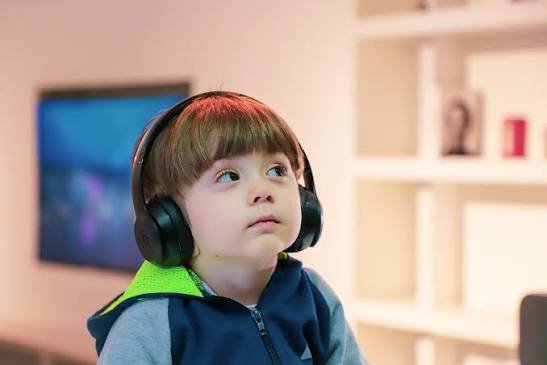
A classroom can sometimes become noisy, busy and distracting, particularly when students are working on assignments, preparing for tests or transitioning between activities. One simple way teachers can create a more relaxed atmosphere is by introducing calming music for classroom activities.
When carefully selected and used at appropriate times, background music can help create a peaceful learning environment. Soft instrumental sounds, gentle piano melodies, nature-inspired audio and slow classical pieces are among the options teachers can consider when they want students to settle down and concentrate.
What Is Calming Music for Classroom Use?
Calming music for classroom refers to gentle, unobtrusive music played in the background during learning activities. Unlike energetic songs that may encourage movement or conversation, calming music is generally designed to create a quieter and more relaxed atmosphere.
The best choices usually have simple arrangements, moderate or slow tempos and few distracting lyrics. Instrumental music is particularly useful because students can listen without having to process additional words while reading, writing or completing other academic tasks.
Teachers can use calming music during independent study, drawing sessions, reading periods, quiet work, meditation exercises or classroom transitions.
Benefits of Calming Music in the Classroom
One of the main reasons educators use calming music is to establish a consistent atmosphere for focused activities.
1. It Can Encourage a Peaceful Atmosphere
Soft music can make a classroom feel less tense, especially after a noisy activity. A gentle playlist can signal to students that it is time to lower their voices and settle into their work.
2. It May Support Concentration
Background music can provide a consistent sound environment that helps mask occasional classroom distractions. For some students, this can make independent work feel more comfortable.
However, students respond differently to background music. Some may concentrate better in silence, so teachers should observe how their class responds rather than assuming music will benefit everyone.
3. It Can Make Transitions Smoother
Moving from one classroom activity to another can sometimes create unnecessary noise. A short piece of calming music can become a familiar transition cue.
For example, a teacher could play a particular instrumental track whenever students are expected to put away their materials and prepare for quiet reading.
4. It Can Help Create a Relaxed Reading Environment
Reading requires sustained attention, and a quiet musical background may help establish an appropriate atmosphere. Gentle piano, ambient sounds or soft classical compositions can work particularly well during individual reading sessions.
Types of Calming Music for Classroom
There is no single playlist that works for every age group or learning situation. Teachers can experiment with different styles.
Soft piano: Simple piano compositions can provide a gentle background without becoming too noticeable.
Classical music: Selected classical pieces can create an elegant and peaceful atmosphere, although teachers should choose slower, less dramatic compositions for quiet activities.
Nature sounds: Rain, ocean waves, flowing water and birdsong can provide a soothing alternative to conventional music.
Ambient music: Minimal electronic or atmospheric compositions can provide consistent background sound without demanding much attention.
Acoustic instrumentals: Gentle guitar, flute or other instrumental arrangements can also work well for quiet classroom periods.
How Teachers Can Use Calming Music Effectively
Volume is one of the most important considerations. Music should remain quiet enough that students can comfortably hear instructions and communicate when necessary.
Teachers should also avoid songs with distracting lyrics during reading, writing or examination preparation. Familiar songs can encourage students to sing along, which may defeat the purpose of having background music.
Another useful approach is to create different playlists for different classroom situations. A short, peaceful playlist can be used for arrival time, while another can accompany independent work or relaxation exercises.
It is also important to give students periods without music. This allows teachers to determine whether the background sound is actually helping students remain focused.
Choosing the Right Classroom Playlist
When searching for calming music for classroom, teachers should consider the students’ age, the activity taking place and the overall classroom environment.
For younger children, gentle instrumental music and nature sounds may work well during drawing, reading or quiet activities. Older students may prefer ambient music, piano or carefully selected classical compositions.
The goal is not to make music the centre of attention. Instead, it should provide a subtle background that supports the intended classroom mood.
Ultimately, the most effective classroom playlist is one that complements learning rather than competing with it. By choosing appropriate music, keeping the volume low and observing students’ responses, teachers can create a calmer environment for reading, independent work and other focused activities.