Bandit attacks, kidnappings and displacement continue to threaten communities in parts of Sokoto and Katsina states despite local peace arrangements and ongoing military operations aimed at curbing insecurity.
The latest incidents have raised concerns over the ability of community-level agreements with armed groups to deliver lasting security, particularly in rural areas where residents remain exposed to attacks and have limited access to security personnel.
In parts of the two states, farmers have reportedly become increasingly cautious about travelling to their fields, while livestock owners continue to face the threat of cattle rustling. Some families have also been forced to leave their communities following repeated attacks.
The situation has become particularly serious in Sokoto’s Rabah Local Government Area, where suspected bandits attacked Tofa community in early September. Residents were reportedly killed, others abducted, while livestock were also taken during the raid. Initial accounts put the number of people killed at between seven and 10, while estimates of those abducted ranged from about 35 to 40.
The incident occurred only days after security forces said they had stopped armed men who were advancing towards Ghandi, another community in Rabah. The developments demonstrate the continuing difficulty of protecting settlements located close to forest areas used by criminal groups.
Military operations record gains
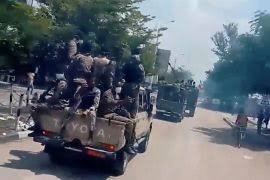
Security agencies have continued to intensify operations across the North-West, including through Operation FANSAN YAMMA, which has conducted patrols, raids, rescue missions and other operations against armed groups.
The military has reported several successes in the region, including the rescue of kidnapped civilians, recovery of weapons and livestock, and the disruption of planned attacks.
In June, troops operating in Sokoto and Katsina said they had repelled an attempted attack and rescued abducted people during separate operations in Tureta and Matazu local government areas. The military said the operations followed intelligence about the movements of armed groups.
Nationwide, the Defence Headquarters also reported significant operational activity during July and August. According to Defence spokesperson Samaila Uba, troops conducted more than 7,000 operations and reported that 1,487 terrorists and insurgents were killed, while 777 kidnapped people were rescued. The figures covered several states and different categories of security operations.
Despite these reported gains, attacks have continued in some communities.
Peace agreements face challenges
Local negotiations have emerged as another approach to reducing violence in parts of Katsina and neighbouring states. Communities have entered agreements with some armed groups in an attempt to secure periods of calm and allow residents to return to farming and other economic activities.
However, the arrangements have proved vulnerable when factions outside the agreements continue operating or when existing agreements break down.
A deadly attack on Doma in Katsina earlier in 2026 illustrated the problem. Reuters reported that the assault killed at least 21 people and effectively ended a truce that had lasted about six months. The agreement had been negotiated after prolonged violence in the area.
Premium Times also reported that the collapse of the Doma arrangement resulted in significant displacement, with residents fleeing the community after the February attack.
The developments have raised questions about whether agreements covering only certain armed factions can provide sustainable security when other groups remain active.
Residents remain exposed
The continuing violence has consequences beyond the immediate loss of lives.
Repeated attacks can prevent farmers from reaching their fields, disrupt livestock businesses and weaken local economies. Communities that have experienced repeated displacement can also struggle to rebuild homes, schools and commercial activities.
A September attack in Girkau and surrounding communities in Kebbe Local Government Area of Sokoto further demonstrated the continuing threat. Police confirmed that five people were killed and three others injured, while residents were also abducted and livestock rustled.
For residents, the presence of troops provides some reassurance, but isolated communities remain difficult to protect continuously because of their distance from major towns and the extensive forest terrain.
Search for a lasting solution
The continuing attacks suggest that military operations and local negotiations are producing mixed results rather than ending the problem entirely.
Security forces have recorded operational successes, but armed groups continue to exploit difficult terrain and gaps in security coverage. At the same time, peace arrangements can provide temporary relief but remain vulnerable to violations and disagreements involving groups that are not part of the agreements.
The challenge for authorities is therefore to maintain pressure on criminal groups while strengthening protection for rural communities and addressing the wider conditions that allow banditry to persist.
For people living in affected parts of Sokoto and Katsina, the priority remains straightforward: the ability to farm, travel, raise livestock and remain in their homes without fear of attack.
Until security becomes more consistent, renewed violence will continue to test both the military strategy and the locally negotiated peace arrangements being used across the region.