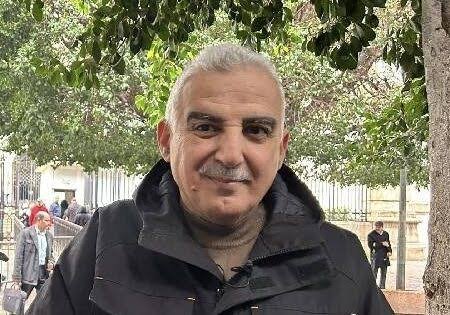
A Tunisian court has sentenced independent journalist Zied el-Heni to four years in prison on terrorism-related charges in a case connected to his reporting on leaked audio recordings involving a former opposition figure.
The verdict was delivered on Tuesday, October 27, 2026, according to reports citing his lawyer, Yasmine Ben Brahim. The decision has drawn criticism from press freedom organisations, which argue that prosecuting a journalist over reporting and the protection of confidential sources raises serious concerns about freedom of expression in Tunisia.
El-Heni, a prominent critic of President Kais Saied, was already serving a separate one-year prison sentence imposed in May over remarks concerning press freedom. The latest ruling adds another prison term to his existing legal troubles.
Leaked Audio Recordings at the Centre of the Case
The case centres on audio recordings attributed to Mondher Ounissi, a former interim leader of Tunisia’s Ennahdha opposition movement. El-Heni had reported on the recordings and was initially questioned as a witness before his legal status was changed and he became a defendant.
According to his defence, the journalist’s involvement was limited to efforts to verify the recordings and check information before reporting on them. His lawyer said the charges included forming a terrorist group and failing to report a terrorist crime.
The exact contents of the recordings have not been fully established in the reports available. Ounissi was also sentenced to nine years in prison in the same case, while other defendants reportedly received 25-year sentences in absentia.
Press Freedom Groups Condemn the Verdict
The Committee to Protect Journalists (CPJ) has called for El-Heni’s immediate release and the reversal of his four-year sentence.
The organisation said the conviction represents a serious escalation in the pressure facing independent journalists in Tunisia, particularly those who investigate politically sensitive issues or refuse to disclose confidential sources.
CPJ reported that the journalist was convicted on several state-security-related offences under Tunisia’s counterterrorism and money-laundering legislation. These included forming a terrorist organisation, disclosing secrets to benefit such an organisation, failing to report a terrorist offence and communicating with foreign-state agents in a manner alleged to harm Tunisia’s national interests.
The organisation’s regional director, Sara Qudah, criticised the use of terrorism legislation against a journalist whose defence maintains that his actions were part of the reporting process.
The case has renewed questions about whether broad national-security laws are being applied in ways that restrict legitimate journalistic activities.
Concerns Over the Court Proceedings
The National Syndicate of Tunisian Journalists has also raised concerns about how the hearing was conducted.
According to information cited by CPJ, El-Heni participated in the October 27 proceedings remotely from prison rather than appearing in person. The journalists’ union further alleged that he was not permitted to attend the hearing physically and that the verdict was delivered without his lawyers being allowed to present their arguments.
These allegations have raised questions about whether adequate safeguards were provided for the journalist’s defence.
The Tunisian authorities had not responded to CPJ’s request for comment at the time of its report.
A Second Prison Sentence for the Journalist
The four-year term is not El-Heni’s first prison sentence in 2026. In May, he received a one-year sentence under Tunisia’s Telecommunications Code over a social media post concerning press freedom.
He also faces a separate case linked to allegations of financial and administrative wrongdoing during his former service on the Carthage municipal council. These proceedings are distinct from the case involving the leaked recordings.
El-Heni’s situation has become part of a broader debate about the treatment of journalists and political critics under President Saied.
Tunisia experienced significant political changes after Saied consolidated power in 2021. Since then, opposition figures, activists and media professionals have faced prosecutions and other legal challenges that press freedom groups say have weakened the space for independent reporting.
The government has maintained that legal proceedings are conducted under the law, while critics argue that criminal cases are increasingly being used to silence dissent.
Growing Pressure on Tunisia’s Media
El-Heni is among several Tunisian journalists who have been imprisoned amid concerns over restrictions on independent media.
The Committee to Protect Journalists has identified other detained journalists, including Mohamed Yousfi, Mourad Zghidi, Borhen Bsaies and Hajer Awadi. It has also raised concerns about journalists who have received prison sentences but remain outside detention or have left the country.
The wider environment has prompted concerns over journalists’ ability to investigate government affairs, report on opposition movements and protect sources without risking criminal prosecution.
For media organisations and rights advocates, the El-Heni case is particularly significant because it involves leaked material that the journalist says he sought to authenticate before reporting on it.
What Happens Next?
The conviction is likely to intensify calls from press freedom organisations for Tunisia to review the use of terrorism laws in cases involving journalists.
CPJ has urged authorities to overturn the verdict, release El-Heni and end prosecutions it considers linked to his journalistic work. The journalist’s legal position remains complicated by his existing sentence and the separate case involving his former municipal role.
The case also places Tunisia’s commitments to freedom of expression and fair-trial protections under renewed scrutiny.
For now, El-Heni faces four additional years in prison following the latest ruling, while his supporters and press freedom advocates continue to challenge the conviction. The central dispute remains whether his conduct amounted to criminal activity, as prosecutors argued, or legitimate journalistic work, as his defence maintains.