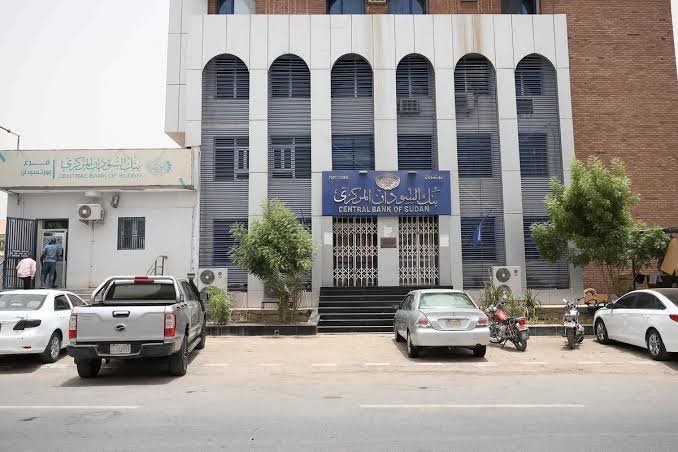
Sudan’s Central Bank has announced the resumption of electronic cheque clearing throughout the week, removing previous restrictions on the value of cheques processed between commercial banks.
The decision is part of efforts to restore confidence in the country’s banking system, improve financial transactions and strengthen the efficiency of interbank settlements amid continuing economic difficulties.
In a circular issued on November 9, 2026, the Central Bank of Sudan confirmed that its electronic clearing system had resumed operations on Sunday without any limits on cheque values.
The new directive allows banks to process local-currency cheques throughout the week, replacing earlier arrangements that restricted clearing activities to specific days and imposed limits on transaction amounts.
The development represents an important adjustment to Sudan’s banking operations as authorities attempt to revive financial services disrupted by the country’s ongoing conflict.
Central Bank Removes Previous Restrictions on Cheque Transactions
Under the latest directive, the Central Bank has cancelled earlier circulars issued on January 5 and March 12, which established restrictions on cheque clearing and outlined previous collection procedures.
It has also amended a December 2025 directive that governed electronic clearing operations.
The revised arrangements now permit banks to exchange and settle cheques electronically throughout the week without a maximum transaction-value ceiling.
The central bank said the changes were intended to improve banking efficiency, address customers’ financial needs and strengthen the settlement process between financial institutions.
The decision also reflects efforts to reduce dependence on direct cash transactions by making electronic payment channels more accessible.
Previously, restrictions on cheque values and limited clearing days created additional challenges for businesses and individuals seeking to complete banking transactions.
Banks Warned Against Liquidity Shortfalls
Although the new arrangement removes cheque-value restrictions, the Central Bank has instructed commercial banks to maintain sufficient liquidity to meet their financial obligations.
Banks are expected to manage their available balances carefully to ensure that withdrawals and settlements can be completed without disruption.
The regulator also warned that senior banking executives could face strict administrative and financial penalties if their institutions fail to maintain adequate balances to cover clearing obligations.
The warning highlights the importance of financial discipline as banks return to operating the electronic clearing system throughout the week.
The central bank’s position suggests that expanding transaction limits must be accompanied by stronger liquidity management and responsible banking practices.
Electronic Clearing Expected to Improve Banking Efficiency
Electronic cheque clearing plays an important role in modern banking because it allows financial institutions to exchange and settle payment instructions without relying entirely on physical documents and traditional procedures.
Through the system, banks can process cheques electronically, reducing delays and making it easier for customers to access funds.
The restoration of full-week operations is therefore expected to improve the speed of financial transactions and support businesses that depend on regular payments.
For Sudanese companies, traders and individuals, the removal of cheque-value restrictions could also provide greater flexibility when conducting financial activities.
However, the effectiveness of the changes will depend on the ability of banks to maintain sufficient liquidity and reliable payment infrastructure.
Sudan Seeks to Revive Its Banking Sector Amid Economic Challenges
Sudan’s banking industry has faced significant disruption since the outbreak of war in April 2023.
The conflict has affected financial institutions, commercial activities and essential economic infrastructure, creating difficulties for businesses and ordinary citizens.
Banking restrictions introduced during this period have further complicated access to financial services in parts of the country.
Against this background, the latest decision represents part of broader efforts by monetary authorities to restore normal banking operations and strengthen confidence in the financial system.
Allowing electronic cheque clearing throughout the week could help improve financial transactions and encourage greater use of formal banking services.
Nevertheless, restoring the banking sector will require more than changes to cheque-processing rules. Stability, functioning financial infrastructure, adequate liquidity and improved access to banking services will remain essential.
The Central Bank’s latest directive is therefore an important step towards improving Sudan’s payment system, although the wider recovery of the country’s financial sector remains dependent on broader economic and security conditions.