South Sudan has formally protested to Sudan following a deadly drone attack on a busy market in the disputed Abyei region, raising fresh concerns about civilian safety and the risk of Sudan’s ongoing war spilling further across its borders.
The diplomatic protest was delivered on October 19, 2026, when South Sudan’s Foreign Ministry summoned Sudanese Ambassador Essam Mohamed Hassan Karrar to a meeting in Juba. South Sudanese officials said the move was intended to communicate their government’s strong objection to the reported strike and its potential consequences for stability in Abyei.
South Sudan Raises Alarm Over Abyei Attack
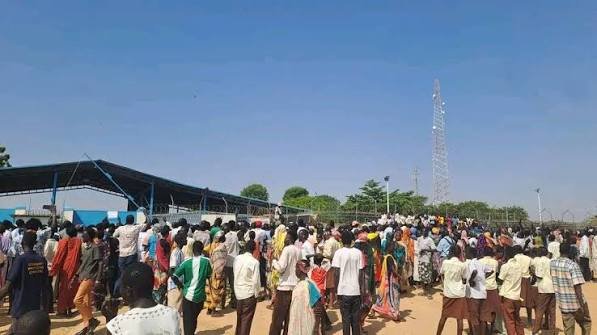
According to South Sudan’s Foreign Ministry, the attack targeted the Al-Naam market area north of Abyei town. Drones suspected of belonging to the Sudanese Armed Forces reportedly struck locations within the commercial centre, including areas containing fuel storage facilities and trucks transporting fuel from South Sudan towards Sudan’s Darfur region.
The ministry said the strike caused civilian deaths and injuries, alongside substantial damage to property. Early reports cited by Sudan Tribune put the death toll at 73, although the figure was not officially confirmed in the initial account. A subsequent Reuters report quoted an Abyei official who raised the reported toll to at least 153, with the possibility of further casualties as recovery operations continued.
The differing figures underline the difficulty of confirming casualties in a conflict-affected area. The full extent of the damage and the circumstances surrounding the attack remain subject to further verification.
South Sudan urged Sudanese authorities to avoid military actions that could put civilians at risk or destroy civilian property. It also called for disputes and security concerns involving Abyei to be handled through diplomatic engagement and established dialogue mechanisms rather than force.
Abyei’s Importance as a Regional Trading Centre
Abyei remains a sensitive territory claimed by both Sudan and South Sudan. Its strategic position and oil resources have made it a longstanding source of tension, even after South Sudan became independent in 2011.
The Al-Naam market has also grown in importance as a commercial link connecting traders and communities across the region. Fuel, food, construction materials and medicines move through the market towards parts of Kordofan and Darfur, making it an important source of supplies for residents and businesses.
The reported attack therefore threatens more than the market itself. Disruption to trade could affect fuel availability, transport and the movement of essential goods, particularly in areas already suffering from conflict and economic hardship.
The presence of fuel depots and transport vehicles has also raised questions about the relationship between commercial activity and the wider military conflict. Reuters, citing diplomatic sources and others familiar with the situation, reported that a fuel depot hit in the strike had previously been used to supply the Rapid Support Forces (RSF). However, the Sudanese military’s responsibility for the attack was alleged by South Sudanese and local officials, and had not been independently established in the initial reports.
Sudan’s War Continues to Threaten Civilians
Sudan has been engulfed in a devastating conflict since April 2023, when fighting erupted between the Sudanese Armed Forces and the paramilitary RSF. The war has resulted in widespread displacement, severe humanitarian needs and repeated reports of civilian deaths.
The violence has increasingly involved drone and air attacks, heightening concerns about the safety of people living near military positions, transport routes and commercial centres. Recent strikes in different parts of Sudan have added to fears that civilians are bearing a growing share of the conflict’s consequences.
For South Sudan, instability in neighbouring Sudan carries significant risks. The two countries share close economic and social ties, while conflict near their common border can disrupt trade, threaten communities and place additional pressure on already vulnerable populations.
The Abyei incident also highlights the difficulties of maintaining security in a territory whose political status remains unresolved. Diplomatic engagement between Juba and Khartoum is therefore likely to remain important in efforts to prevent further escalation.
Calls for Dialogue as Tensions Rise
South Sudan’s Foreign Ministry reiterated its support for peaceful coexistence and resolving disputes through dialogue and international law. It called on Sudan to take steps to prevent similar incidents from happening again.
At the time of the Sudan Tribune report, the Sudanese government had not publicly responded to the allegations. The available reports also did not establish whether a formal investigation or additional diplomatic discussions would follow the protest.
The attack adds another point of tension between the neighbouring countries at a time when Sudan’s conflict continues to generate serious humanitarian and security challenges. The immediate priorities include establishing the full casualty toll, determining the circumstances of the strike and protecting civilians who rely on Abyei’s market and transport networks.
For residents and traders in the area, restoring safety and keeping essential supplies moving will be critical. Whether diplomatic pressure can help prevent further attacks remains an important question as the conflict continues.