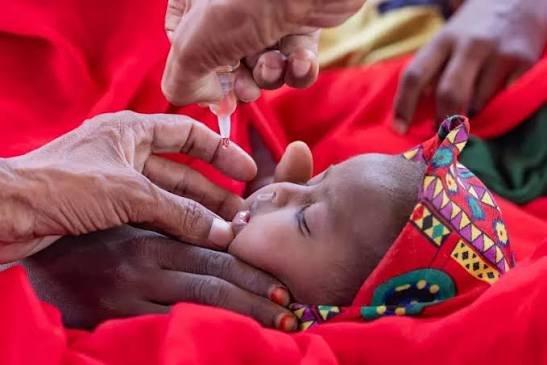
Sudan has launched a nationwide polio vaccination campaign aimed at protecting 11 million children under the age of five, as health authorities and international organisations work to prevent further spread of the disease amid the country’s ongoing conflict.
The campaign, which began on October 26, 2026, is being coordinated by Sudan’s health ministry with support from the World Health Organization (WHO), UNICEF and other health partners. It is designed to reach children across the country, including communities in conflict-affected areas where access to healthcare has become increasingly difficult.
The vaccination drive comes as Sudan faces significant public health challenges following years of fighting, displacement and disruption to essential services. Health officials say protecting children from preventable diseases remains a priority despite the difficult conditions.
First phase targets six million children
The first stage of the campaign is scheduled to run from October 26 to October 29. According to the WHO, it aims to vaccinate approximately six million children in 107 localities across 12 states.
The areas covered include Khartoum, Al Jazirah, Sennar, White Nile, North Kordofan, South Kordofan, Kassala, Al Qadarif, Red Sea, River Nile, Northern State and the Blue Nile region.
Tawadud Abdullah Al-Khider, acting head of the campaign’s federal coordination chamber, urged parents and caregivers to ensure that eligible children receive their vaccines.
The campaign is intended to close gaps in immunisation and reduce the risk of further transmission, particularly in communities where routine vaccination services have been interrupted.
Second phase to reach conflict-affected areas
A second phase is planned for the first week of November, with a target of five million children across 79 localities in six hard-to-reach states.
The planned areas include all five states of Darfur and West Kordofan, where conflict and insecurity can complicate the delivery of medical services.
Reaching children in these locations is likely to require careful coordination among health workers, humanitarian agencies and local communities. Displacement, damaged infrastructure and insecurity can make it difficult for families to access health facilities or for vaccination teams to reach remote settlements.
The WHO has also indicated that another nationwide vaccination round is expected about a month after the current campaign, as authorities seek to strengthen protection against the virus.
Polio threat grows amid gaps in vaccination coverage
Sudan detected circulating vaccine-derived poliovirus type 2 (cVDPV2) in December 2025, raising concerns about the risk of transmission among children with insufficient immunity.
Polio is a highly contagious viral disease that can attack the nervous system and cause permanent paralysis. Severe cases can be fatal. Vaccination remains the principal means of preventing the disease and limiting its spread.
Vaccine-derived poliovirus can emerge in communities where immunisation coverage is persistently low, allowing the weakened virus used in oral polio vaccines to circulate and change over time. This makes sustained vaccination coverage particularly important.
Sudan’s conflict, which began in April 2023, has placed additional pressure on the country’s healthcare system. Displacement and disrupted health services have left many children vulnerable to illnesses that routine immunisation would normally help prevent.
The UN warned in July 2025 that childhood vaccination rates in Sudan had fallen to their lowest levels in four decades, increasing the risk of outbreaks of preventable diseases.
WHO and UNICEF support efforts to protect children
The health ministry is leading the campaign with technical and operational support from the WHO, UNICEF and other partners.
The agencies say the goal is to reach children throughout Sudan’s 18 states, including those living in areas affected by fighting or limited access to healthcare.
UNICEF has stressed that children should not be deprived of protection against preventable diseases because of conflict. The campaign is therefore an important effort to restore immunisation coverage and reduce the possibility of cross-border transmission.
Its success will depend on reaching the target population, maintaining access to communities and encouraging parents to participate in the vaccination programme.
Sudan’s latest polio vaccination campaign aims to protect 11 million children as the country confronts a public health threat worsened by conflict and falling immunisation coverage.
With six million children targeted in the first phase and another five million expected to be reached during the second, health authorities are seeking to strengthen protection nationwide. The campaign’s effectiveness will depend on sustained access to children, continued cooperation with humanitarian partners and follow-up vaccination efforts.