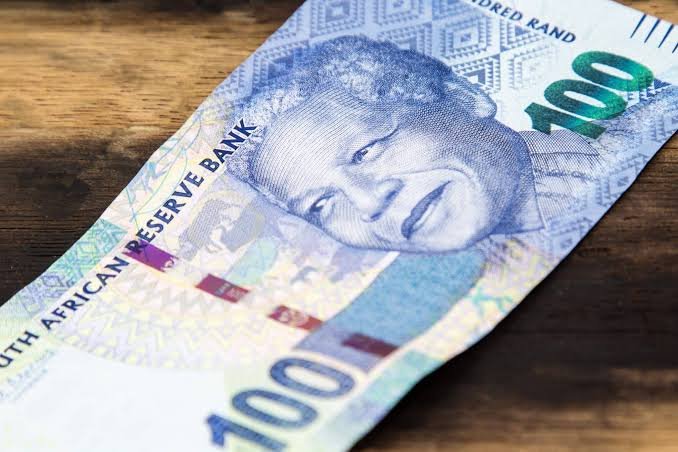
South Africa’s rand traded relatively steadily against the US dollar on Monday, October 12, as investors monitored escalating tensions in the Middle East and prepared for important inflation figures from the United States.
The currency’s performance reflected a cautious mood across international financial markets, where geopolitical uncertainty and concerns about inflation have continued to influence investment decisions.
According to a Reuters report published on Monday, traders were watching developments in the Middle East alongside upcoming US economic data for indications of how the Federal Reserve might approach interest rates. The outcome could affect the dollar’s direction and influence currencies in emerging markets, including South Africa’s rand.
The combination of international conflict, changing energy prices and uncertainty over US monetary policy has left investors weighing the risks before making significant moves in the currency market.
Rand Remains Near 16.50 Against the US Dollar
At 06:33 GMT on Monday, the rand was trading at approximately 16.50 per US dollar, unchanged from its previous closing level. South Africa’s benchmark government bond maturing in 2035 was also broadly stable, with its yield standing at 8.795%.
The currency’s limited movement suggests investors were waiting for clearer signals before making substantial adjustments to their positions.
With no major domestic economic releases scheduled to drive trading, the rand was expected to remain sensitive to international developments, particularly US economic figures and geopolitical events.
US Inflation Figures in Focus
Investors were preparing for the release of the United States Consumer Price Index (CPI) report on Wednesday. The figures are expected to provide important information about inflation trends ahead of the Federal Reserve’s monetary policy meeting later in October.
Inflation data are closely monitored because they can influence whether the Federal Reserve keeps interest rates unchanged, raises them further or considers a different policy direction.
The US central bank raised interest rates in September for the first time since 2023 as it sought to contain inflation. Market participants are now assessing whether additional tightening may be necessary.
According to the CME FedWatch tool cited by Reuters, traders were pricing in an 81% probability that the Federal Reserve would leave rates unchanged at its October meeting, compared with 51% a month earlier.
A stronger-than-expected inflation reading could complicate the outlook by strengthening expectations that US interest rates may remain high or rise further.
Stronger Dollar Could Challenge the Rand
A firm US dollar can put pressure on emerging-market currencies, including the South African rand, as investors reassess the relative attractiveness of assets across different economies.
ETM Analytics warned that a higher-than-expected US inflation figure could revive expectations of further Federal Reserve tightening and place South Africa’s recent currency recovery under pressure.
Higher US interest rates can make dollar-denominated investments more attractive, potentially encouraging investors to move funds away from riskier assets in emerging markets.
However, the rand’s direction will also depend on other factors, including international commodity prices, global investor confidence and developments affecting South Africa’s domestic economy.
Middle East Conflict Adds to Market Uncertainty
The ongoing conflict in the Middle East has added another source of uncertainty for financial markets.
Geopolitical tensions can influence energy prices, inflation expectations and investor appetite for risk. When uncertainty increases, market participants often become more cautious about holding currencies and assets that are sensitive to global economic conditions.
For South Africa, these developments matter because changes in international energy prices and financial markets can affect inflation, import costs and the broader economic outlook.
The rand’s ability to remain stable will therefore depend partly on how investors respond to developments in the Middle East and whether the latest US inflation figures reinforce concerns about monetary policy.
Investors Await Fresh Economic Signals
The rand’s steady performance on Monday came as traders weighed competing pressures: geopolitical uncertainty, expectations for US interest rates and the possibility of further changes in global financial conditions.
The upcoming inflation report could provide a clearer indication of the Federal Reserve’s next steps and influence currency trading in the days ahead.
For now, the rand remains exposed to international developments, with investors likely to monitor the dollar, inflation data and geopolitical news closely.