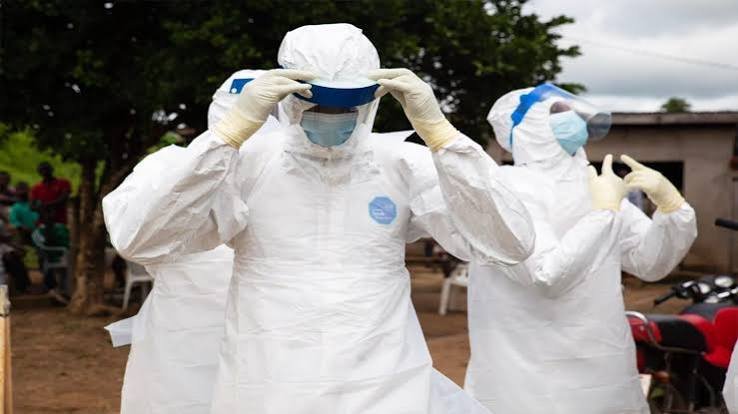
The Federal Airports Authority of Nigeria (FAAN) has intensified health surveillance across the country’s airports following confirmation of an Ebola virus disease case in the Federal Capital Territory, Abuja.
The aviation agency said it was coordinating with public health authorities and aviation regulators to support efforts to contain the infection and reduce the risk of further transmission.
The move follows the Federal Government’s confirmation of an imported Ebola case involving a woman who had recently travelled to Nigeria on an international flight from Uganda. The patient was placed in isolation at a private hospital in the FCT, while health officials began tracing people who may have been exposed to the virus.
The development has renewed attention on airport screening, disease monitoring and the need for cooperation between aviation personnel and public health agencies during an infectious disease emergency.
FAAN Works With Health and Aviation Agencies
FAAN said it was working with the Nigeria Centre for Disease Control and Prevention (NCDC), Port Health Services, the Nigeria Civil Aviation Authority (NCAA) and other relevant institutions.
The coordination is intended to help authorities implement appropriate public health measures while maintaining safe airport operations.
According to the agency, the identification of the case and the start of contact tracing demonstrate the importance of surveillance systems and cooperation among government agencies when responding to potential health threats.
FAAN also indicated that it would continue following guidance from health officials and support any additional measures considered necessary to protect passengers, airport workers and other members of the public.
The authority urged travellers, airlines and other airport users to remain calm, cooperate with health personnel and avoid circulating unverified information that could cause unnecessary alarm.
Nigeria Had Already Strengthened Ebola Preparedness
The confirmed case came after several months of heightened monitoring by Nigerian health authorities in response to Ebola outbreaks elsewhere in Africa.
In September, the NCDC announced increased preparedness and surveillance, particularly in connection with countries experiencing active transmission. Measures under consideration included health declaration forms for travellers arriving from affected countries, allowing officials to gather information about travel history and health status.
Earlier in 2026, a federal risk assessment identified 21 states and the FCT as facing high or moderate risk of Ebola importation. At that stage, Nigeria had not recorded a confirmed case linked to the regional outbreak.
The latest confirmation shows why health authorities have continued to emphasise early detection and preparedness at international entry points. However, the precise role airport screening played in identifying this particular case has not been publicly established.
Contact Tracing Underway in Abuja
Following confirmation of the infection, health officials began identifying and monitoring people who may have had contact with the patient.
A report published by Premium Times on October 20 said 44 close contacts had been identified at that stage. They included healthcare workers, patients, caregivers and travel-related contacts. The number could change as investigations progress.
Contact tracing is a central part of containing Ebola outbreaks. It allows public health teams to locate people who may have been exposed, monitor their health and arrange prompt assessment if symptoms develop.
Authorities have also urged healthcare facilities to maintain vigilance, isolate suspected cases promptly and follow appropriate infection-prevention procedures.
Ebola can spread through direct contact with the blood or other bodily fluids of an infected person, or through contaminated objects and materials. It does not spread simply because people occupy the same public space.
Members of the public should follow official health advice and avoid sharing unverified claims about suspected cases or alleged exposures.
Regional Outbreak Raises Concern
Nigeria’s response is taking place against the backdrop of a wider Ebola outbreak involving the Democratic Republic of the Congo and other parts of Africa.
The infection confirmed in Abuja was reported as an imported case, but investigations into the patient’s travel history and possible place of exposure remained important to understanding how the infection occurred.
Uganda was part of the reported travel itinerary, but transit through a country does not by itself establish where someone contracted a disease. Authorities need epidemiological evidence to determine the likely source of infection.
The World Health Organization has called on countries in the region to maintain strong preparedness, improve early detection and protect healthcare workers and communities. It has also been working with affected governments and partners to support the response.
Travellers Urged to Stay Calm and Follow Official Guidance
FAAN’s announcement is intended to reassure passengers that airport authorities are cooperating with health agencies as the situation develops.
Travellers should follow instructions from port health personnel and rely on verified updates from the NCDC, the Federal Ministry of Health and other recognised authorities. Anyone concerned about a possible exposure should contact public health officials for guidance rather than attempting to self-diagnose.
The confirmation of a case does not, by itself, mean that widespread transmission is occurring at airports or throughout Nigeria. The public health situation depends on investigation findings, contact tracing and the effectiveness of containment measures.
For FAAN, the immediate priority is to maintain heightened vigilance while coordinating with health officials. For Nigeria’s wider response, rapid identification of possible cases, transparent public communication and careful monitoring of contacts will be essential to limiting the risk of further transmission.