The United States has announced plans to remove South Africa and Rwanda from a major trade preference programme that allows eligible African countries to export thousands of products to the American market without paying certain import duties.
The decision, announced by the administration of President Donald Trump on November 2, 2026, is expected to take effect on January 1, 2027, and could affect important export industries in both countries.
US Trade Representative Jamieson Greer said President Trump had notified Congress and the governments of South Africa and Rwanda of his intention to terminate their participation in the African Growth and Opportunity Act (AGOA).
The administration argued that the two countries were no longer meeting the programme’s eligibility requirements, citing concerns about trade restrictions, investment barriers and issues involving American national security and foreign policy.
The announcement represents another setback in Washington’s relationship with the two African governments, particularly South Africa, which has faced increasing diplomatic disagreements with the Trump administration.
Why the US Is Targeting South Africa and Rwanda
According to Greer, the decision followed an annual review of countries participating in AGOA.
Washington said its concerns about South Africa included barriers affecting American trade and investment, corruption and policies it considers inconsistent with US national security and foreign policy interests.
Regarding Rwanda, the American government raised concerns about trade and investment restrictions, the rule of law, political pluralism, internationally recognised workers’ rights and human rights.
The US administration also pointed to wider security and foreign policy disagreements in the region.
However, the announcement did not provide a detailed public breakdown of every alleged violation or specify what individual policy changes would be required for the two countries to retain their benefits.
The decision comes amid strained relations between Washington and Pretoria. President Trump has repeatedly criticised South Africa over its domestic policies, including land reform and Black economic empowerment.
His administration has also expressed opposition to South Africa’s foreign policy, particularly its legal action against Israel at the International Court of Justice over allegations of genocide in Gaza. Israel rejects the allegations.
South Africa has disputed several of Washington’s accusations and maintained that its domestic and international policies are matters of national sovereignty.
South Africa Faces Potential Export Losses
South Africa could face significant consequences because it has been the largest beneficiary of AGOA.
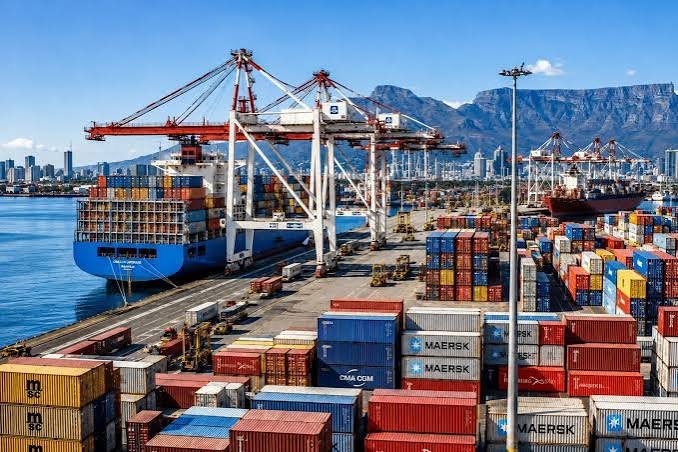
The programme has provided preferential access for South African products entering the US market, supporting businesses involved in manufacturing, agriculture and other export industries.
In 2025, South Africa exported approximately $1.7 billion worth of goods to the United States under AGOA, according to figures cited in reports on the announcement.
Its exports benefiting from the arrangement include motor vehicles and components, agricultural products, citrus fruit, wine, iron and steel, as well as other manufactured goods.
The programme is particularly important to businesses that depend on competitive pricing in the American market. Losing preferential treatment could make some South African products more expensive for US importers and reduce their competitiveness against goods from countries that continue to enjoy similar trade benefits.
South African exports under AGOA account for approximately 10 per cent of the country’s total exports to the United States and around 1 per cent of its overall global exports.
Although these figures suggest that the programme does not represent the entirety of South Africa’s international trade, particular industries and workers could still experience considerable pressure.
South African authorities have indicated that they are preparing to support industries affected by the decision while continuing efforts to strengthen trade relationships with other countries.
President Cyril Ramaphosa has previously spoken about the importance of expanding commercial partnerships beyond the United States, including opportunities in China and India.
Rwanda’s Trade Relationship with the US Also at Risk
Rwanda is also expected to lose preferential access under AGOA, although its position within the programme is different from South Africa’s.
The East African country has already experienced restrictions on some of its exports under the arrangement.
In 2018, the United States suspended Rwanda’s eligibility for duty-free treatment of certain apparel products after a dispute involving tariffs on imported second-hand clothing.
Rwanda’s other eligible exports, including coffee, tea and minerals, continued to benefit from the programme.
The latest decision would extend the consequences by removing the country’s remaining AGOA preferences if the planned termination proceeds.
The move comes as Washington and Kigali face disagreements over the conflict in eastern Democratic Republic of Congo.
The United States has accused Rwanda of supporting the M23 rebel movement in eastern Congo, allegations that the Rwandan government has repeatedly rejected.
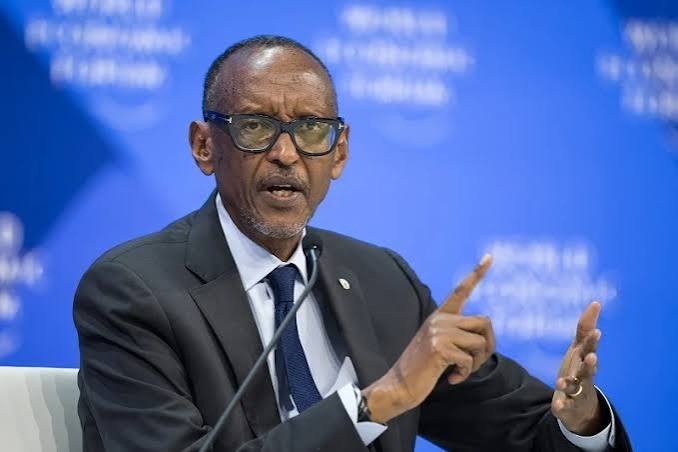
Washington recently imposed sanctions on Rwanda’s defence ministry over the conflict, adding to diplomatic pressure on President Paul Kagame’s administration.
The loss of AGOA benefits could create additional challenges for Rwandan exporters seeking to maintain access to the American market.
What Is AGOA and Why Does It Matter?
The African Growth and Opportunity Act was established in 2000 as a central part of the United States’ economic engagement with sub-Saharan Africa.
It allows eligible African countries to export thousands of products to the US market without paying certain customs duties.
The programme covers a wide range of goods, including agricultural produce, clothing, manufactured products and selected industrial materials.
To remain eligible, participating countries must meet several conditions relating to economic development, governance, workers’ rights and the removal of barriers to American trade and investment.
The arrangement is reviewed periodically, giving Washington the authority to suspend or remove countries that it believes no longer satisfy the required standards.
For African exporters, AGOA has provided an opportunity to compete in one of the world’s largest consumer markets while attracting investment into industries that depend on international trade.
However, the latest decision has raised fresh questions about the future of US-Africa commercial relations and the stability of trade preferences available to African economies.
African Countries May Look for Alternative Markets
The planned removal of South Africa and Rwanda could encourage both governments to accelerate efforts to diversify their export destinations.
South Africa has already been exploring opportunities to increase trade with countries such as China and India, while also pursuing partnerships with other international markets.
For Rwanda, maintaining access to major export destinations will remain important, particularly for coffee, tea and mineral producers.
The development could also influence how other African governments approach trade negotiations with Washington, especially those that depend on preferential access to the American market.
Nevertheless, losing AGOA benefits does not mean that South African or Rwandan businesses will be prohibited from selling goods in the United States. Both countries can continue exporting, although affected products may face higher import duties or less favourable trading conditions.
As January 2027 approaches, attention will turn to whether diplomatic engagement can change Washington’s position and what measures the two governments will introduce to protect affected businesses.
For now, the announcement signals a significant change in America’s trade relationship with two African countries and adds another layer of uncertainty for exporters operating across the continent.