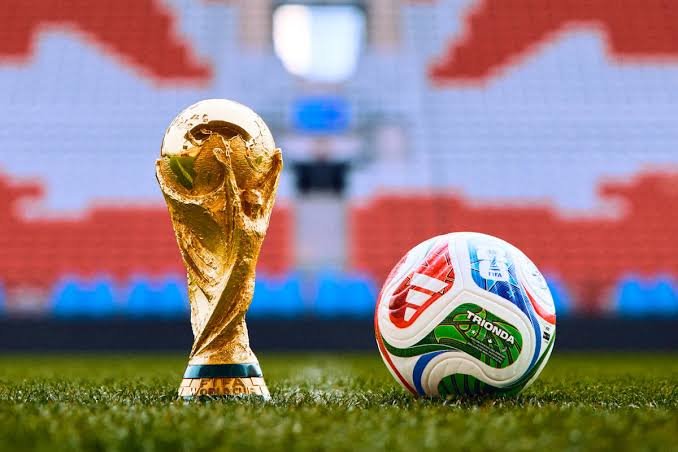
Morocco is preparing a special tax framework that would exempt FIFA and several organisations involved in the 2030 FIFA World Cup from a range of taxes and customs duties, as the North African country advances preparations for the global football tournament.
The proposed concessions are contained in Morocco’s draft 2027 Finance Bill. If approved, the measures would cover eligible organisations, broadcasters, service providers, contractors and certain individuals working on the competition. Some benefits could remain in effect until December 31, 2032, extending beyond the tournament itself.
Morocco will co-host the 2030 World Cup with Spain and Portugal. The proposed tax regime is intended to incorporate into domestic law the financial and tax guarantees the Moroccan government says it has committed to providing FIFA.
The plans could make it easier for tournament organisers to manage payments, import equipment and deliver competition-related services. However, the broad range of proposed exemptions also raises questions about the potential cost to public finances and the economic benefits Morocco expects to receive from hosting the event.
Importantly, these measures are proposals in a draft finance bill, not a confirmation that all the exemptions have already become law.
Which taxes would be covered by the proposal?
The draft legislation outlines exemptions across several areas of Morocco’s tax system. Eligible organisations could receive relief from corporate income tax, value-added tax (VAT), certain withholding taxes, social solidarity contributions on profits and income, and registration duties, subject to the conditions set out in the bill.
The proposed arrangements would also cover selected customs duties on goods and equipment imported for World Cup preparations and related events. Additional concessions include exemptions from certain advertising stamp duties, vehicle taxes, insurance contract taxes and aviation-related levies.
These measures are intended to reduce some of the administrative and financial costs associated with organising a competition involving international football bodies, national associations and a wide network of commercial partners.
The scope of the benefits would depend on the category of organisation and the activities involved. FIFA and its subsidiaries, designated host associations, service providers and contractors would not necessarily receive identical treatment. Eligibility would be determined under the specific provisions of the proposed legislation.
The draft also envisages simplified electronic procedures for organisations seeking qualifying exemptions or refunds. This could help streamline administrative processes for entities handling large volumes of transactions during the preparations for the tournament.
Players, volunteers and tournament personnel could also benefit
The proposed tax framework extends beyond FIFA and corporate organisations to certain people working on the competition.
Under the draft, temporary income tax exemptions would apply to specified remuneration and allowances paid to individuals assigned to Morocco for tournament-related duties. Volunteers helping prepare and organise the event would also be covered under the relevant conditions.
Non-resident footballers could benefit from exemptions on qualifying salaries, prizes or bonuses connected to the competition. The proposed arrangements also address VAT on tickets sold for World Cup matches and associated events by or on behalf of eligible organisations.
The aim is to establish clear rules for payments and transactions associated with the tournament, including those involving people who travel to Morocco specifically to work or compete.
However, these provisions should not be interpreted as a blanket tax exemption for every person or business connected to football. The proposed benefits depend on eligibility criteria, the nature of the income or transaction and the final wording of the legislation.
World Cup Legacy Fund could receive permanent tax relief
Another significant element of the proposal concerns a potential World Cup Legacy Fund designed to support projects after the tournament.
The fund is intended to channel resources towards longer-term sporting and social initiatives. Proposed areas of support include sports infrastructure, youth and women’s football, environmental protection and programmes aimed at improving child welfare and supporting vulnerable communities.
Unlike the temporary concessions proposed for many tournament-related organisations, the fund would receive permanent exemptions from taxes and duties covered by Morocco’s General Tax Code, if the provision is enacted.
The fund could help Morocco pursue benefits beyond the matches themselves, particularly if its resources are directed towards facilities, grassroots sports and community projects that remain useful after 2030.
However, the proposed tax treatment does not by itself establish how much money the fund would receive, when it would begin operating or what projects would ultimately be financed. Those details will be important in assessing whether the initiative delivers measurable long-term benefits.
Questions emerge over the cost to Morocco’s public finances
While the proposed tax breaks could simplify World Cup preparations, they also raise questions about how much revenue Morocco might forgo.
Corporate taxes, VAT and customs duties are sources of public income. Exempting eligible organisations from these payments could reduce the government’s collections, although the overall impact would depend on the final rules, the number of beneficiaries and the volume of qualifying transactions.
As of October 26, 2026, the available reporting did not establish a total estimate of the revenue Morocco could lose through the proposed concessions. The financial return from the exemptions will therefore be difficult to assess until more information becomes available.
Supporters of the framework could argue that predictable tax arrangements help attract international events, simplify commercial operations and fulfil commitments made during the process of securing hosting rights. Hosting a tournament of this scale can also generate activity in tourism, accommodation, transport, construction and other sectors.
However, increased economic activity does not automatically compensate for every tax concession. The eventual outcome will depend on how much additional investment and spending the World Cup generates, how those benefits are distributed and how much public money is committed to preparations.
The proposal is therefore likely to attract attention as lawmakers examine the 2027 Finance Bill. The central question is not only whether FIFA and its partners will receive tax relief, but also whether Morocco can demonstrate that the arrangements provide a reasonable long-term return for the country.
Morocco prepares for a major international tournament
The 2030 World Cup is expected to require extensive coordination across Morocco, Spain and Portugal, with host countries responsible for preparing stadiums, transport links, accommodation and other services needed for players, officials and supporters.
For Morocco, the tournament offers an opportunity to raise its international profile and support its tourism and sporting ambitions. A clearly defined tax system could help organisers coordinate the many companies and institutions involved in delivering the event.
Yet the proposed exemptions are only one part of a much wider preparation process. Infrastructure spending, project delivery, public accountability and the effective use of any legacy funding will also shape the tournament’s eventual impact.
The Moroccan government now faces the task of taking the proposed framework through the legislative process while ensuring that the benefits and costs are properly understood.
If approved, the measures would create a special tax regime for the 2030 World Cup and related activities. Whether that framework proves worthwhile for Morocco will ultimately depend on the economic opportunities it creates, the public revenue it forgoes and the lasting benefits left for citizens after the final match.