Ethiopia and Eritrea have plunged into a new diplomatic crisis after Asmara announced the termination of relations with Addis Ababa, as renewed fighting in northern Ethiopia threatens to reopen one of the Horn of Africa’s most damaging conflicts.
The diplomatic rupture came after Ethiopia ordered the closure of its embassy in Asmara and expelled 10 Eritrean diplomats, accusing them of activities that posed a threat to its national security. Eritrea responded by saying it had no choice but to reciprocate and sever diplomatic relations with its neighbour.
The confrontation is unfolding alongside an intensifying military campaign in and around the Tigray region, where fighting between Ethiopian federal forces and an alliance of armed opposition groups has expanded into neighbouring areas.
Diplomatic Relations Collapse
Ethiopia announced on October 1 that it would shut its diplomatic mission in Eritrea and declared 10 Eritrean representatives persona non grata.
The diplomats, including Eritrea’s chargé d’affaires and officials accredited to the African Union, were ordered to leave Ethiopia within 48 hours.
Addis Ababa accused Eritrea of both direct and indirect hostile actions. Eritrea rejected those accusations and instead blamed Ethiopia for pursuing what it described as a sustained hostile policy towards Asmara.
Eritrea subsequently announced that it was cutting all diplomatic ties with Ethiopia.
The development represents another sharp deterioration between two neighbours whose relationship had improved dramatically after Ethiopian Prime Minister Abiy Ahmed came to power in 2018.
Tigray Fighting Fuels New Tensions
The diplomatic crisis comes as fighting has returned to northern Ethiopia on a scale not seen since the 2020-2022 Tigray war.
The Tigray People’s Liberation Front (TPLF), alongside other armed groups, has been involved in renewed clashes with Ethiopian government forces. The fighting has spread beyond Tigray into areas including Afar and Amhara, while government-aligned forces have reported recapturing some towns. Independent verification of battlefield claims has been difficult because of restricted access and communication disruptions.
Aid organisations have reported significant numbers of casualties and displacement since the latest fighting began.
Doctors Without Borders has said more than 700 wounded people have received treatment at hospitals in several parts of Tigray, highlighting the rapidly deteriorating humanitarian situation.
The conflict also threatens to undermine the Pretoria peace agreement, which ended the previous devastating Tigray war in November 2022.
Ethiopia Accuses Eritrea of Supporting Opposition Forces
One of the most serious points of contention is Ethiopia’s allegation that Eritrea is assisting forces fighting against the federal government.
Addis Ababa has accused Eritrea, Sudan and Egypt of supporting an opposition alliance led by the TPLF. All three countries have rejected the allegations.
Eritrea has particularly denied accusations that it is backing the armed groups involved in the renewed fighting. Instead, Asmara has accused Ethiopia of supporting Eritrean opposition groups and attempting to destabilise its government.
Some reports have also alleged that Eritrean troops crossed into the Afar region to support the opposition offensive, although such claims have not been independently established.
Explosions Reported in Addis Ababa
The renewed conflict has also raised concerns that the violence could spread closer to Ethiopia’s capital.
Explosions were reported in Addis Ababa as fighting intensified in the north. Opposition forces have been accused of carrying out drone attacks, including strikes on military-related targets, although details surrounding some of the incidents remain unclear.
Ethiopian authorities have subsequently imposed restrictions on drone flights over Addis Ababa.
The possibility that armed opposition groups could strike the capital represents a significant development in the conflict, particularly because the federal government has traditionally enjoyed an advantage in air power.
The Red Sea Question
Relations between Ethiopia and Eritrea have also been strained by Addis Ababa’s efforts to secure reliable access to the Red Sea.
Ethiopia became landlocked after Eritrea gained independence in 1993. Prime Minister Abiy has repeatedly stressed the strategic and economic importance of securing sea access for Ethiopia.
Eritrean officials have viewed some Ethiopian statements on the issue with suspicion, contributing to broader concerns over the countries’ territorial and security interests.
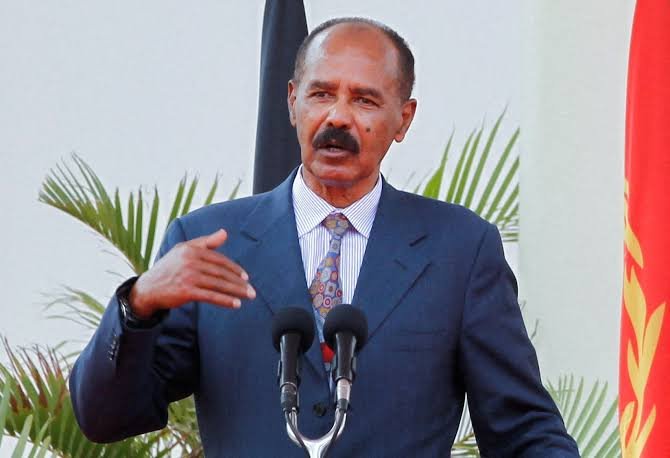
The two countries previously fought a devastating border war from 1998 to 2000. Their relationship improved significantly in 2018, when Abiy and Eritrean President Isaias Afwerki moved towards reconciliation.
However, the rapprochement has since deteriorated.
Regional Stability at Risk
The latest developments have raised fears that the renewed Ethiopian conflict could evolve into a wider regional confrontation.
The African Union has urged Ethiopia, Eritrea and Egypt to exercise maximum restraint and avoid actions or statements that could further destabilise the region. The continental body called for disagreements to be addressed through diplomatic channels and peaceful dialogue.
The involvement or alleged involvement of neighbouring states is particularly sensitive because the Horn of Africa already faces several overlapping conflicts and political disputes.
For civilians in Tigray and surrounding areas, however, the immediate concern is the humanitarian impact of the renewed fighting. Displacement, shortages and disruption to essential services are emerging as major challenges as the conflict continues.
With diplomatic relations between Ethiopia and Eritrea now formally severed, and fighting continuing across northern Ethiopia, efforts to prevent the conflict from expanding will face a difficult test in the days ahead.