Senegal has officially launched the 2026 Youth Olympic Games, bringing together thousands of young athletes from around the world for a historic sporting celebration that marks Africa’s first opportunity to host an Olympic event.
The opening ceremony took place in Dakar on Saturday, October 31, 2026, ushering in nearly two weeks of international competition and cultural activities. The Games will run until November 13, with events spread across Dakar, Diamniadio and Saly.
Approximately 2,700 athletes aged 14 to 17 are expected to participate, representing more than 200 National Olympic Committees. They will compete in 153 medal events across 25 sports, making the competition one of the continent’s biggest sporting occasions in recent years.
The event represents a major milestone for Senegal and the wider African sporting community, which has long sought greater representation in international sports administration and the hosting of major competitions.
Dakar makes Olympic history for Africa
Senegal’s hosting of the Youth Olympic Games marks the first time an Olympic sporting event has been staged on African soil.
The International Olympic Committee (IOC) selected Dakar to host the fourth Summer Youth Olympic Games in October 2018. The competition was initially scheduled for 2022 but was postponed until 2026 following an agreement between Senegal and the IOC during the COVID-19 pandemic.
The previous Summer Youth Olympic Games took place in Singapore in 2010, Nanjing in China in 2014 and Buenos Aires in Argentina in 2018.
Dakar’s selection therefore represents an important breakthrough for Africa, which has never hosted the main Summer Olympic Games.
The event is also expected to provide an opportunity for Senegal to demonstrate its organisational capacity and showcase the country’s culture, tourism attractions and sporting infrastructure to an international audience.
The Games are being held under the slogan, “Africa Welcomes, Dakar Celebrates,” reflecting the organisers’ intention to combine sporting competition with African hospitality and cultural expression.
Thousands of young athletes compete across 25 sports
The Dakar 2026 programme features a wide range of sporting disciplines, bringing together emerging talents from different parts of the world.
Around 2,700 athletes are expected to take part in 153 medal events across 25 competition sports. The programme also includes 10 additional engagement sports designed to encourage wider participation and introduce young people to different sporting activities.
The competition is taking place across eight venues in Dakar, Diamniadio and Saly.
Some of the sports featured include athletics, swimming, basketball, football-related disciplines, rugby sevens, cycling, judo, wrestling and beach handball.
The programme also introduces sports such as Baseball5, Wushu and beach wrestling, giving young competitors an opportunity to showcase their abilities in disciplines with growing international appeal.
Senegal’s inclusion of beach wrestling is particularly significant because wrestling has a strong cultural following in the country and is widely recognised as one of its traditional sporting activities.
The organisers have also placed emphasis on gender balance, with equal representation across the sports programme.
Opening ceremony celebrates Senegalese and African culture
Beyond the sporting competitions, the opening celebrations are expected to highlight Senegal’s cultural identity and the diversity of the African continent.
Preparations for the ceremony have been part of a wider programme designed to connect the Games with local communities.
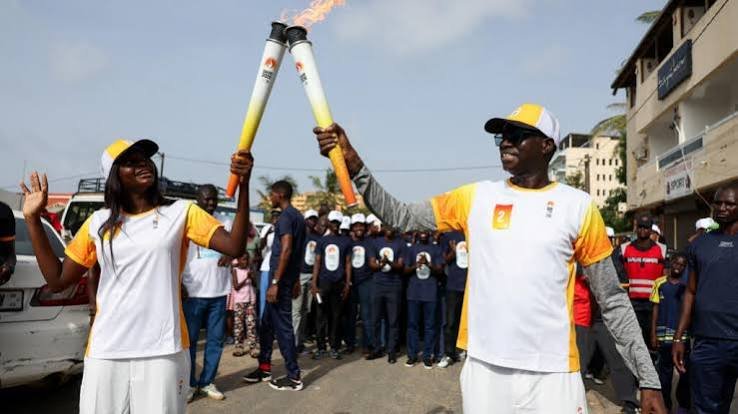
The Olympic flame arrived in Senegal in September after being lit in Athens, Greece, using sunlight and a parabolic mirror in accordance with Olympic tradition.
It subsequently travelled across all 14 regions of Senegal, making 30 stops during a nationwide tour before returning to Dakar for the opening ceremony.
The flame tour involved more than 400 torchbearers and included a procession celebrating Senegalese women, culture and the Olympic spirit.
The IOC has described the event as an opportunity to bring communities together while encouraging young people to embrace values such as friendship, respect and excellence.
Senegal faces expectations over organisation and infrastructure
Hosting the Youth Olympic Games presents Senegal with an opportunity to strengthen its position as a destination for international sporting events.
However, the scale of the competition also brings significant organisational responsibilities.
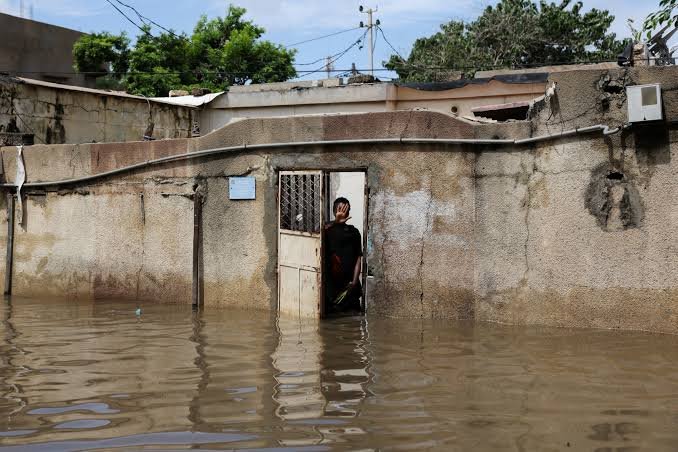
Authorities and organisers have had to address concerns involving infrastructure, transportation, electricity supply, weather conditions and security.
According to Reuters, organisers addressed last-minute concerns relating to energy and rainfall ahead of the opening. More than 6,000 volunteers are supporting the event, while security arrangements include assistance from Spanish and French police officers with experience from the Paris 2024 Olympic Games.
The IOC has also emphasised the importance of ensuring that facilities and other investments remain useful after the competition ends.
For Senegal, the challenge will be to turn the international attention generated by the Games into lasting benefits for its sporting sector and wider economy.
A platform for Africa’s next generation of sporting stars
The Youth Olympic Games are designed to provide young athletes with more than an opportunity to win medals.
The competition combines elite sporting events with educational programmes, cultural exchanges and activities intended to encourage personal development.
Previous editions have helped introduce athletes to international competition before they progressed to senior-level events, including the main Olympic Games.
Dakar 2026 is expected to offer a similar opportunity to young African competitors, giving them exposure to international standards and the experience of competing against some of the world’s most promising talents.
The event also includes a six-athlete Refugee Olympic Team, making this edition the first Youth Olympic Games to feature such a team.
The inclusion highlights the organisers’ commitment to giving young people from different backgrounds an opportunity to participate in international sport.
What the Games mean for Africa’s sporting future
Senegal’s historic hosting achievement could strengthen calls for more major international sporting competitions to be staged in Africa.
Although the continent has produced world-class athletes across athletics, football, basketball, boxing and other disciplines, it has had limited opportunities to host events of this scale.
Dakar 2026 offers a chance to demonstrate that African countries can organise major international competitions while providing a platform for local athletes, businesses and tourism operators.
The long-term impact, however, will depend on how effectively Senegal maintains its facilities, develops grassroots sports and uses the experience to attract further international events.
For now, the focus is on the young competitors arriving in Senegal with hopes of winning medals and building their sporting careers.
With the Games running until November 13, Dakar has become the centre of an important moment in African sporting history.