Nigeria’s public health authorities have expanded their Ebola response after identifying 53 people who may have been exposed to the country’s confirmed case of the disease, with contact tracing now covering healthcare workers, household members and others connected to the patient’s treatment.
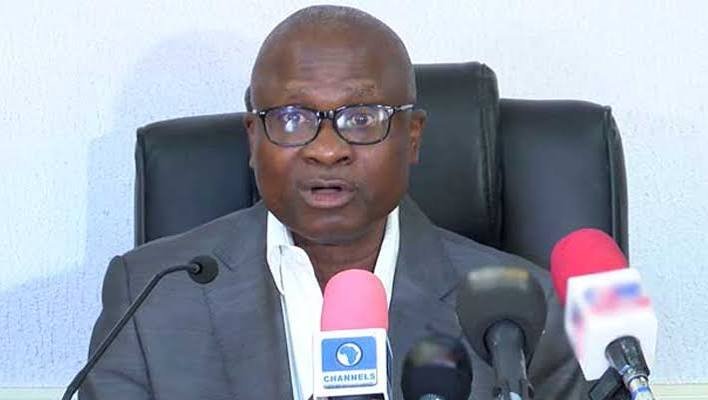
The Nigeria Centre for Disease Control and Prevention (NCDC) says its investigation is continuing as officials work to identify possible exposure routes and reduce the risk of further transmission. The update was announced by NCDC Director-General, Dr Jide Idris, during a media briefing in Abuja on Sunday, October 25, 2026.
The confirmed infection, detected in the Federal Capital Territory (FCT), has prompted closer monitoring of people who may have come into contact with the patient at different stages of her illness. Authorities are also reviewing the response at health facilities that attended to her.
Contact tracing expands to 53 people
According to the NCDC, the 53 people identified so far include 44 individuals connected to the health facility where the patient received treatment. Nine other contacts were identified as investigations widened beyond that facility.
Those additional contacts include members of the patient’s household and people who attended to her at an emergency facility before she was taken to the hospital where the infection was confirmed. Personnel involved in collecting samples from the patient are also part of the investigation.
The agency is working to establish the nature of each person’s contact with the patient and determine whether further individuals may need to be monitored.
Contact tracing is a central part of the response because people who may have been exposed can be identified and assessed before any potential infection leads to additional transmission. The number of contacts may change as investigators obtain more information.
Officials have stressed that being listed as a contact does not mean someone has contracted Ebola. It means public health teams need to assess the person’s possible exposure and monitor their health.
NCDC intensifies surveillance and hospital safety measures
Beyond tracking the 53 contacts, the NCDC is strengthening infection prevention measures at healthcare facilities and working with health authorities in the FCT to improve the handling of suspected cases.
The agency has activated its national incident management structure to coordinate investigations, clinical care, laboratory testing and public communication. Health workers are being supported with guidance on screening, isolating suspected patients and using appropriate protective equipment.
The focus on hospitals is particularly important because healthcare workers can face exposure when an infection is not recognised early. The NCDC has called on public and private medical facilities to maintain strong screening procedures and report suspected infections promptly.
Officials are also working to identify secondary contacts — people who may have been exposed through individuals already identified during the investigation. This process helps authorities understand whether the risk extends beyond the patient’s immediate circle.
Contacts to be monitored for 21 days
Under the current response plan, identified contacts are to be followed up for 21 days after their last possible exposure. Monitoring can include checking body temperature and watching for symptoms that may require immediate medical assessment.
The NCDC has urged anyone contacted by public health officials to provide accurate information about their movements, interactions and health. Such cooperation helps investigators determine who may need further monitoring.
Authorities have also clarified that identification as a contact should not lead to discrimination or panic. People under observation are not automatically infected, and health officials must assess their circumstances individually.
In a separate development, a suspected Ebola case reported in Rivers State on October 23 tested negative in laboratory investigations, according to the NCDC’s situation report. As of the report dated October 24, Nigeria had one confirmed case and no reported deaths from the confirmed case.
What Nigerians should know about the Bundibugyo virus
The infection confirmed in Nigeria is caused by the Bundibugyo virus, a type of Ebola virus responsible for an ongoing outbreak in parts of Central and East Africa. The World Health Organization said Nigeria’s case was imported and that investigations were continuing to establish the likely source of exposure and the patient’s full travel history.
Ebola is a serious illness that can spread through direct contact with the blood or other body fluids of an infected person, or through contaminated materials. It is not spread simply because someone lives in the same city or shares public space with an infected person.
People should practise good hand hygiene and avoid contact with the body fluids of anyone suspected of having Ebola. Anyone who believes they may have been exposed should contact public health authorities and follow their instructions, particularly if symptoms develop.
Symptoms can include fever, weakness, muscle pain, headache, sore throat, vomiting, diarrhoea and other complications. These symptoms can occur in several illnesses, so a person should not attempt to diagnose Ebola on symptoms alone.
The NCDC has urged Nigerians to rely on verified updates from official health authorities rather than circulating unconfirmed reports or messages on social media.
Nigeria draws on lessons from its 2014 Ebola response
Nigeria previously contained an Ebola outbreak in 2014, when coordinated surveillance, isolation, contact tracing and cooperation from the public played important roles. The NCDC says the country is drawing on lessons from that experience as it responds to the latest confirmed infection.
The current situation also highlights the importance of preparedness across states, not just in Abuja. Public health authorities need trained personnel, functioning laboratories, protective equipment and reliable reporting systems to identify suspected cases and act quickly.
For now, the priority remains tracing all possible contacts, protecting healthcare workers and preventing further transmission. The increase to 53 contacts reflects the widening scope of the investigation; it does not mean that 53 people have Ebola.
The coming days of monitoring and investigation will be important in helping health officials determine whether the infection has spread beyond the confirmed case.