Morocco has announced an additional MAD 400 million in financial assistance for road transport operators as rising fuel prices continue to place pressure on businesses and the cost of moving goods and passengers.
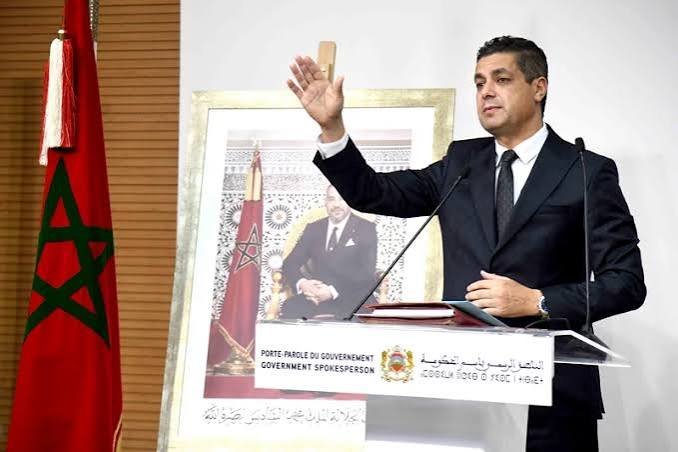
Transport and Logistics Minister Abdessamad Kayouh announced the funding on Thursday, November 5, following a meeting of the Government Council. The latest intervention will cover passenger and freight transport professionals for the first half of November, from November 1 to 15.
The government expects approximately 200,000 vehicles to benefit from the support, which is designed to reduce the financial burden on transport businesses and limit the possibility of higher operating costs being passed on to consumers.
The allocation is equivalent to approximately $41 million, according to the reported exchange value.
Government Adjusts Support as Fuel Prices Fluctuate
Kayouh explained that the latest funding forms part of Morocco’s broader response to changing fuel prices and uncertainty in international energy markets.
Fuel costs have become a major concern for road transport operators because diesel and petrol prices directly affect the expenses involved in moving passengers and goods across the country.
The minister said the government would continue monitoring developments at fuel distribution stations and adjust the assistance mechanism according to price movements.
Under the arrangement, the value of the support is linked to fuel prices recorded at the beginning of each month. This is intended to make the intervention responsive to changes in the cost of petroleum products.
The government has also stressed the importance of maintaining regular supplies of essential commodities and ensuring that fluctuations in international markets do not create unnecessary pressure on Moroccan households.
Around 200,000 Vehicles Expected to Benefit
The latest MAD 400 million allocation will cover different categories of road transport operators, including businesses involved in passenger services and the movement of freight.
The assistance is intended to help operators manage higher fuel expenses while keeping transport services running.
A separate report by Hespress provided further details on the payment arrangements, indicating that the support would cover eligible vehicles registered with the Ministry of Transport and the National Road Safety Agency (NARSA).
The reported assistance amounts vary according to vehicle type and capacity. Passenger transport categories include intercity coaches, urban buses, small taxis, large taxis and rural mixed-transport vehicles.
Freight operators are also included, with payments depending on the size and category of their trucks.
According to the reported breakdown, intercity coaches are allocated MAD 5,600, while urban buses are set to receive MAD 4,960. Small taxis are listed for MAD 1,280 and large taxis MAD 1,760.
For freight transport, eligible road tractors are allocated up to MAD 4,800, while other truck categories receive different amounts depending on their weight.
These figures provide a clearer picture of how the assistance is distributed, although individual eligibility remains subject to the government’s registration and administrative requirements.
Morocco Seeks to Protect Consumers From Higher Transport Costs
The government says the intervention is not only intended to support transport companies but also to protect consumers from the wider effects of rising fuel prices.
When transport operators face higher operating expenses, the cost of delivering food, agricultural products and other essential goods can increase. Public transport providers may also come under pressure to raise fares.
By providing direct financial assistance, authorities hope to reduce the likelihood of fuel-related expenses translating into higher prices for households.
Kayouh said the government remained responsible for ensuring the continued availability of consumer goods at reasonable prices.
The intervention also comes as Morocco seeks to maintain stability in domestic markets amid uncertainty linked to geopolitical developments and fluctuations in international energy prices.
The government has indicated that it will continue reviewing the support arrangement as market conditions change.
New Committee to Monitor Market Price Changes
The announcement follows a government meeting chaired earlier in the week by Head of Government Fatima Ezzahra El Mansouri to examine the effects of market fluctuations on the national economy.
Authorities have also announced plans to establish an interministerial committee tasked with monitoring price movements and recommending measures to protect consumers’ purchasing power.
The proposed committee will bring together relevant government departments and hold regular meetings to assess developments in domestic and international markets.
Its responsibilities will include identifying challenges affecting the supply of goods and examining possible responses to price pressures.
The move reflects the government’s concern that rising energy costs could have consequences beyond the transport industry, particularly for households already dealing with changes in the cost of living.
Morocco Continues Its Transport Subsidy Programme
Morocco introduced its exceptional support programme for road transport professionals in March 2026 as oil prices continued to rise.
The initiative followed an earlier intervention launched in March 2022, when international energy market disruptions created significant pressure on domestic fuel prices.
The current programme has since been extended through additional rounds of assistance, with the government adjusting payments in response to changing petroleum costs.
The latest MAD 400 million allocation demonstrates that authorities intend to maintain the scheme while monitoring developments in the energy market.
However, the long-term effectiveness of the programme will depend partly on how international fuel prices evolve and whether government assistance can continue to offset rising operating expenses.
For transport operators, the funding offers temporary financial relief. For consumers, the government’s wider objective is to prevent higher fuel costs from triggering increases in public transport fares and the prices of essential goods.
As Morocco continues to monitor the situation, the transport sector remains an important part of the government’s efforts to protect purchasing power and maintain the smooth movement of people and commodities across the country.