Morocco has announced plans to invest approximately 134 billion Moroccan dirhams ($13.5 billion) in expanding and upgrading its railway network by 2030, as the North African country prepares for growing transport demand and its role as co-host of the 2030 FIFA World Cup.
The ambitious programme will cover high-speed rail expansion, new railway connections to major infrastructure projects, improvements to urban passenger services and the purchase of new trains. It is intended to improve connectivity between cities, strengthen the country’s transport system and support economic development.
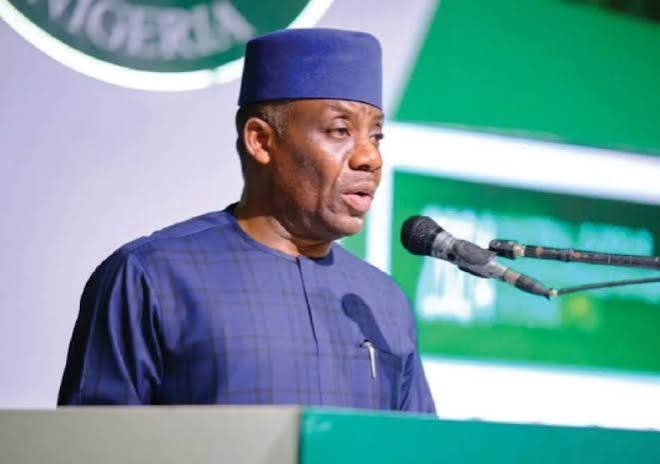
Transport and Logistics Minister Abdessamad Kayouh outlined the investment programme during the second International Forum on Financing Railway Projects in Africa, held in Rabat on October 14–15. The minister’s address was delivered by Zine El Abidine Britel, secretary-general of the Ministry of Transport and Logistics.
The announcement reflects Morocco’s broader effort to modernise its transport infrastructure while positioning railways as an important part of its long-term economic and environmental strategy.
High-Speed Rail Expansion to Reach Marrakech
One of the central projects under the investment plan is the extension of Morocco’s high-speed railway line from Kenitra towards Marrakech.
The expansion is expected to improve connections between major population centres and make rail travel more convenient for passengers moving between different parts of the country.
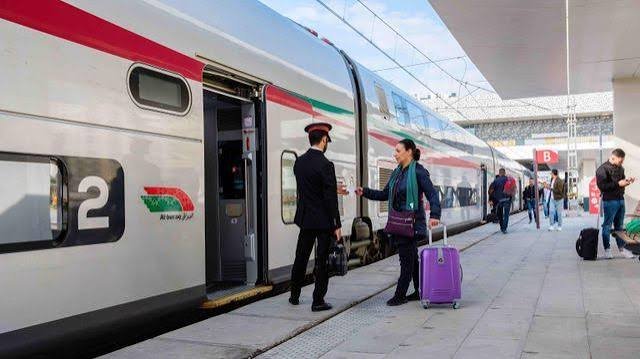
Morocco has already established itself as a regional leader in high-speed rail through its Al Boraq service. Extending the network would broaden the reach of this transport system and support growing demand for faster intercity travel.
The planned expansion is also significant as Morocco prepares to welcome international visitors for the 2030 FIFA World Cup, which it will co-host with Spain and Portugal.
A modern railway network could help move supporters, tourists and other visitors between destinations while reducing pressure on roads and other transport services. However, the benefits will depend on projects being completed on schedule and on the wider transport system being able to accommodate increased passenger numbers.
New Railway Connection Planned for Nador West Med Port
Another major component of the programme is the planned railway connection to the Nador West Med port.
Connecting the port to the national rail network could improve the movement of goods between maritime facilities, industrial areas and inland markets. It could also strengthen links between shipping operations and other parts of Morocco’s logistics infrastructure.
Efficient rail freight services can help businesses move large volumes of cargo while reducing their dependence on road transport. For ports, reliable railway connections can make it easier to transfer goods to distribution centres and industrial customers.
The proposed connection therefore has implications beyond passenger travel. It could support trade, improve logistics efficiency and strengthen Morocco’s position as a transport and commercial link between Africa and international markets.
The programme also includes plans to improve local train services in major urban areas, responding to growing demand for daily transportation as cities expand.
Morocco to Acquire 168 New Trains
Morocco’s railway investment programme also includes the purchase of 168 new trains to improve service quality and expand the capacity of the national rail system.
The additional trains are expected to support the country’s growing passenger transport needs while complementing improvements to existing railway infrastructure.
As urban populations increase and more people travel between major cities, railway operators face pressure to provide reliable services, maintain reasonable journey times and accommodate more passengers.
Investing in new trains alongside infrastructure upgrades could help Morocco address these demands. However, the long-term benefits will also depend on effective maintenance, operational planning and sufficient funding to keep services running efficiently.
The government is therefore looking beyond the construction of new railway lines. Maintaining existing assets and ensuring that new equipment remains reliable will be important parts of the country’s transport strategy.
Government Seeks Sustainable Financing for Railway Projects
Financing remains a major consideration as Morocco prepares to undertake projects requiring substantial long-term investment.
According to the announcement, the government has established a contractual framework with the National Railway Office (ONCF) to clarify investment priorities, financing arrangements and the responsibilities of the parties involved.
The framework is intended to provide a clearer structure for implementing railway projects and managing the financial risks associated with them.
Morocco is also exploring financing options that include green financial instruments and stronger risk-management arrangements. Such approaches could help diversify funding sources and encourage additional investment in railway infrastructure.
The government has called on development banks and regional and international financial institutions to provide funding suited to the lengthy investment cycles associated with major railway projects.
Railway infrastructure often requires substantial upfront expenditure, while the economic and financial returns may take many years to materialise. Financing arrangements must therefore account for construction costs, future operating expenses and long-term maintenance requirements.
Greater private-sector participation could also help mobilise additional capital, provided that investors have clear contractual arrangements and an appropriate framework for managing risks.
Morocco Calls for Greater Cooperation on African Rail Development
The announcement was made at a continental forum focused on finding practical ways to finance railway infrastructure across Africa.
Governments and railway operators across the continent face similar challenges, including limited public funding, ageing infrastructure, gaps between transport networks and the high cost of constructing new lines.
Stronger cooperation between African countries, investors, financial institutions and railway operators could help address some of these obstacles.
Cross-border railway connections are particularly important because they can link ports, industrial centres, logistics hubs and domestic markets. Better connections could reduce the cost of moving goods, facilitate trade and improve access to regional and international markets.
However, developing effective rail corridors requires more than building tracks. Countries must also coordinate technical standards, border procedures, financing arrangements and long-term maintenance plans.
Morocco’s experience in developing high-speed rail and modernising its national network could provide useful lessons for other African countries seeking to expand their transport infrastructure.
The broader challenge is to ensure that proposed projects move beyond policy announcements and secure the funding, technical planning and institutional support needed for implementation.
Railway Investment Could Support Morocco’s Economic Ambitions
Morocco’s railway expansion is part of a wider effort to improve infrastructure, support economic activity and prepare for increasing mobility needs.
Reliable rail services can make it easier for workers to travel, businesses to distribute goods and tourists to reach different destinations. Improved freight connections may also help industrial operators move materials and finished products more efficiently.
The planned high-speed line extension, port connection and investment in new trains could therefore deliver benefits across several sectors if implemented effectively.
The projects may also support Morocco’s preparations for the 2030 FIFA World Cup, when the country expects increased demand for transport and other services.
Nevertheless, the scale of the investment means that implementation will be critical. Delays, cost overruns or inadequate maintenance funding could limit the benefits expected from the programme.
The government will need to ensure that railway development is matched by sustainable financing and efficient operations over the long term.
Conclusion
Morocco’s planned 134 billion dirham railway investment by 2030 represents a major commitment to improving the country’s transport infrastructure.
With high-speed rail expansion towards Marrakech, a proposed railway connection to Nador West Med port, 168 new trains and improvements to urban services, the programme is designed to address both passenger and freight transport needs.
The initiative also highlights Morocco’s ambitions to strengthen its economic competitiveness and contribute to broader railway development across Africa.
As the country approaches the 2030 FIFA World Cup, delivering these projects on time and maintaining them effectively will be essential to turning the investment announcement into lasting benefits for residents, businesses and visitors.