The African Union and the United Nations have intensified diplomatic efforts to prevent renewed conflict in northern Ethiopia, with former Nigerian President Olusegun Obasanjo being urged to step up his mediation between the country’s federal authorities and leaders in the Tigray region.
The renewed diplomatic push comes amid a sharp deterioration in security in northern Ethiopia. Fighting has intensified around Tigray, while Tigrayan forces have seized the airports in Mekelle, Axum and Shire, according to the African Union and United Nations.
The developments have raised fresh concerns over the future of the peace arrangement that ended the devastating 2020–2022 war between the Ethiopian government and the Tigray People’s Liberation Front (TPLF).
AU asks Obasanjo to re-engage parties
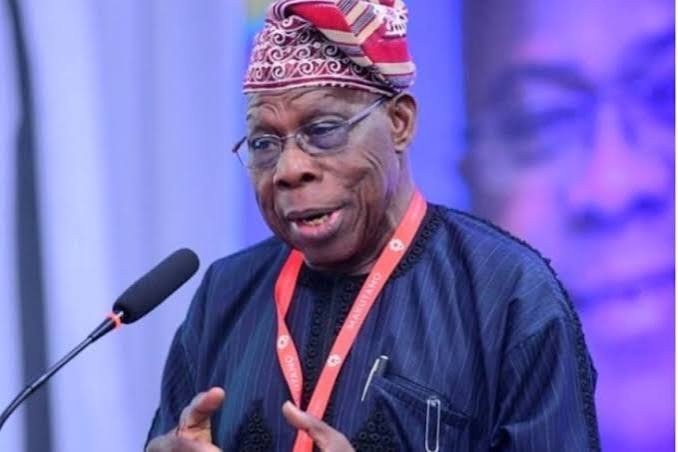
African Union Commission Chairperson Mahmoud Ali Youssouf has called for an immediate reduction in tensions and requested Obasanjo to urgently engage the parties involved.
Obasanjo, who served as a key mediator during the negotiations that produced the 2022 Pretoria Agreement, currently serves as the AU High Representative for the Horn of Africa.
The AU said the former Nigerian leader’s renewed involvement is aimed at encouraging dialogue, reducing tensions and protecting the progress made since the peace agreement was signed.
The organisation also called on the parties to return to direct negotiations under the Pretoria framework. It stressed that the agreement remains the foundation for achieving lasting peace and reconciliation in Ethiopia.
UN backs AU-led mediation
The United Nations has also expressed support for the African Union’s diplomatic initiative.
UN Secretary-General António Guterres said he was deeply concerned about the deteriorating situation and urged all sides to exercise maximum restraint. He called for an immediate reduction in hostilities and warned against actions that could trigger a much wider conflict.
Guterres specifically endorsed AU efforts, including Obasanjo’s engagement with the parties, and urged them to return to negotiations in good faith under the Pretoria Agreement.
The UN has also called for the protection of civilians and uninterrupted humanitarian access to communities affected by the violence.
Tensions rise across northern Ethiopia
The latest crisis extends beyond Tigray, with the AU reporting concerns over fighting in parts of South Tigray and the Afar region.
The seizure of the three airports has further complicated the situation, disrupting civilian air services and raising concerns about access to affected communities.
The African Union described the occupation of the airports as inconsistent with commitments under the Pretoria Agreement and warned that continued escalation could undermine progress made since the end of the previous war.
The United Nations similarly warned that the spread of fighting into neighbouring areas could result in a broader and more destructive conflict.
Pretoria Agreement under pressure
The Pretoria Agreement was signed in November 2022 after two years of intense fighting between Ethiopian federal forces and the TPLF.
Obasanjo played a central role in the African Union-led negotiations that brought the two sides to the negotiating table. The agreement established a framework for ending hostilities and addressing issues including disarmament, humanitarian access and political dialogue.
However, several unresolved political and security issues have continued to create tension.
The situation has become even more complicated following the formation of new political and military alliances in Ethiopia. The AU has warned that such developments could further destabilise the country and reverse progress made since the peace agreement.
Obasanjo’s mediation faces challenges
Obasanjo’s renewed diplomatic role comes despite criticism from Tigrayan officials.
Earlier in September, the TPLF accused the former Nigerian president of lacking impartiality in his mediation efforts. Obasanjo’s office rejected the allegation, saying his actions had not been directed by either side and defending the nature of his mandate.
The disagreement highlights the difficulty facing the AU’s mediation effort at a time when trust between the parties remains fragile.
Nevertheless, the AU and UN continue to support dialogue rather than a return to sustained military confrontation.
International concern grows
The latest escalation has attracted wider international concern, with calls for restraint coming from several foreign governments and regional organisations.
The central concern is that renewed fighting could cause another major humanitarian crisis while undermining efforts to implement the 2022 peace settlement.
For the AU and UN, the immediate priorities are reducing military tensions, protecting civilians, maintaining humanitarian access and bringing the parties back to negotiations.
Obasanjo’s renewed diplomatic engagement will therefore be closely watched as international efforts intensify to prevent the latest confrontation from developing into another prolonged conflict in Ethiopia.