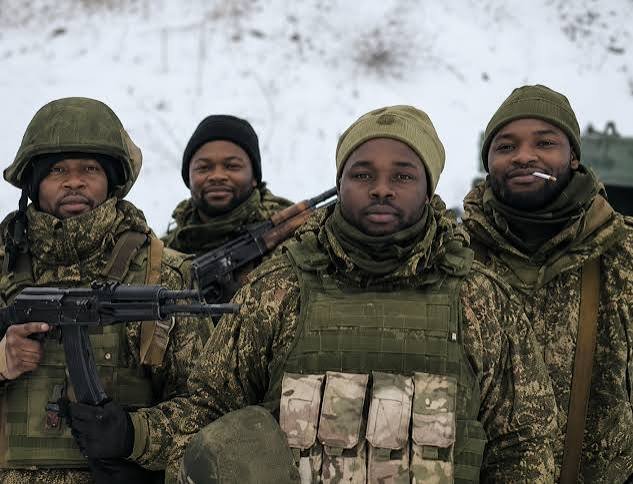
Six Zimbabwean nationals have pleaded guilty in South Africa to offences connected to plans to travel through the country before joining the Russian military, bringing renewed attention to recruitment networks accused of drawing African citizens into the Russia-Ukraine war.
The case has raised concerns about the use of South Africa as a transit route for prospective foreign fighters and the methods allegedly used by intermediaries to attract recruits with promises of substantial financial rewards.
According to a report by Business Insider Africa, the six men were arrested in South Africa in July 2026. Their guilty pleas, entered on October 9, have added to a growing number of cases involving African nationals who have sought to join Russian forces, sometimes after responding to recruitment offers promising lucrative salaries.
The development comes as governments across Africa increase efforts to investigate suspicious recruitment activities, warn job seekers about fraudulent overseas employment offers and assist citizens caught up in the conflict.
Six Zimbabweans Admitted Involvement in the Recruitment Plan
The six Zimbabwean men identified in the report are Soul Magaya, Stembiso Mlalazi, Prince Calvin Tinarwo, Tatenda Muchete, Brighton Muripa and Victor Shoshore.
They were arrested on July 21, 2026, and later admitted to planning to use South Africa as a transit point on their intended journey to Russia, where they hoped to join the country’s military.
Reporting by News24, cited by Business Insider Africa, indicated that four of the men expected to receive a signing bonus of $25,000, alongside monthly payments of $2,500.
The remaining two were allegedly involved in facilitating the travel arrangements.
Investigators reportedly established that the group had communicated with a Russian recruitment agent as part of the plan.
Under an agreement reached between prosecutors and the defence, each man received a five-year prison sentence that was wholly suspended for five years. This means they would not serve the prison term provided they complied with the conditions of the suspended sentence.
The case has highlighted how recruitment arrangements can involve several people performing different roles, from attracting prospective recruits to coordinating their movement across national borders.
It also illustrates the legal consequences that can arise when individuals become involved in unauthorised foreign military activities.
Why South Africa Has Come Under Scrutiny
South Africa’s role in the case has attracted attention because the country is increasingly being mentioned in investigations into recruitment networks connecting African job seekers with Russia’s military.
Some individuals have reportedly travelled through South Africa before continuing to Russia, while other cases involve South African residents who allegedly believed they were travelling abroad for employment or security training.
Authorities and researchers have raised concerns that recruitment intermediaries may exploit economic difficulties by advertising attractive salaries and overseas opportunities.
For people struggling with unemployment, an offer of thousands of dollars in monthly income can appear difficult to reject. However, the actual circumstances surrounding some of these opportunities have reportedly differed significantly from what prospective recruits were initially promised.
In several cases involving African nationals, people who expected civilian employment or specialised training have reportedly ended up in military service connected to the war in Ukraine.
These cases have increased pressure on authorities to examine recruitment practices, investigate possible trafficking and prevent individuals from being moved across borders under misleading circumstances.
The six Zimbabweans’ guilty pleas provide a concrete example of how South African territory can feature in plans to reach Russian military recruitment channels.
However, the case should not be interpreted as evidence that all travel through South Africa or every recruitment offer connected to Russia involves criminal activity.
Jacob Zuma’s Daughter Previously Faced Recruitment Allegations
The latest case has also revived attention surrounding a separate investigation involving Duduzile Zuma-Sambudla, the daughter of former South African president Jacob Zuma.
In 2025, allegations emerged that Zuma-Sambudla had helped recruit 17 South African men who were reportedly promised security training in Russia.
According to the allegations described by Business Insider Africa, the men believed they would receive training before returning to South Africa. An affidavit subsequently alleged that they were instead handed over to a Russian mercenary group and sent to the front lines in Ukraine.
The allegations were raised by Zuma-Sambudla’s half-sister, Nkosazana Bonganini Zuma-Mncube, who filed an affidavit accusing her and two other people of involvement in the recruitment arrangements.
Zuma-Sambudla denied wrongdoing and said she had herself been deceived. She resigned as a lawmaker in November 2025 as the allegations attracted public attention.
At the time covered by the report, she had not been formally charged in connection with that recruitment case, and police investigations were ongoing.
The allegations remain distinct from the guilty pleas entered by the six Zimbabwean men. They should not be treated as proof of guilt in the separate investigation.
Nevertheless, both cases have intensified questions about how recruitment intermediaries operate and whether prospective recruits are adequately informed about the risks associated with overseas military contracts.
Online Job Advertisements Used to Attract African Recruits
The growing number of recruitment cases has prompted researchers to examine the role of websites, social media accounts and online advertising.
A study published on October 6 by the Institute for Security Studies highlighted the scale of digital activity allegedly used to attract recruits from Africa and other parts of the world.
The investigation, conducted by iLAB, the technical investigations team of Code for Africa and its partners, identified 289 digital assets allegedly associated with recruitment efforts.
These included websites, social media profiles and online platforms that researchers said used misleading advertisements, forged endorsements and promises of generous financial benefits.
Some advertisements reportedly presented opportunities as ordinary employment, including work in construction or other civilian sectors. In other cases, recruitment material allegedly used claims of official backing that investigators could not substantiate.
The research suggests that recruitment operations can be spread across multiple digital platforms, making it more difficult for authorities to identify the people behind them.
It also raises questions about how online advertising services can be used to distribute misleading recruitment material and what technology companies can do to identify and remove such content.
For prospective workers, the findings underline the importance of verifying foreign job offers before travelling, particularly when an employer is vague about the work involved or pressures applicants to make rapid decisions.
African Governments Increase Efforts to Protect Their Citizens
The Zimbabwean case comes amid broader efforts by African governments to address reports that their nationals have been recruited into Russia’s war against Ukraine.
Different countries have responded through diplomatic engagement, police investigations, public warnings and efforts to secure the return of citizens who have become involved in the conflict.
Ghana has raised recruitment concerns with Russian officials, while Kenya has sought assistance concerning nationals captured while fighting for Russian forces.
Botswana has also warned citizens about deceptive recruitment offers and reported efforts to stop some nationals from travelling after concerns emerged about possible recruitment into the Russian military.
Zimbabwe, meanwhile, has pursued investigations into people suspected of arranging recruitment journeys for its citizens.
These efforts reflect a difficult challenge for governments. They must protect citizens from possible exploitation while navigating diplomatic relationships and the complex circumstances surrounding a foreign war.
Families of people who travelled to Russia have also expressed concern about the safety of their relatives and uncertainty over whether they can return home.
In some reported cases, families learned that their relatives had joined the conflict only after receiving unexpected messages from abroad or hearing that someone had been killed or captured.
The circumstances vary from case to case, making it important for authorities to establish whether individuals knowingly agreed to military service, were misled about the nature of their employment or were subjected to coercion.
Financial Promises Can Conceal Serious Risks
The reported payments associated with the six Zimbabweans’ planned journey illustrate the financial incentives that can attract people to overseas recruitment schemes.
A signing bonus of $25,000 and a monthly salary of $2,500 would represent substantial sums for many job seekers.
However, prospective recruits should understand that military service in an active conflict zone carries risks that cannot be measured by salary alone.
These include the possibility of serious injury or death, limited access to consular assistance, difficulties returning home and legal complications arising from foreign military service.
Where recruitment offers are misleading, individuals may also discover that the employer, work conditions or contractual obligations differ from what they were told before departure.
The broader recruitment controversy has therefore become not only a security issue but also a concern about employment fraud, trafficking and the vulnerability of people searching for better economic opportunities.
Governments and law enforcement agencies face the task of identifying recruiters, tracing cross-border networks and ensuring that people considering overseas work can access reliable information.
What the Case Means for Africa
The guilty pleas entered by the six Zimbabwean men demonstrate how recruitment connected to the Russia-Ukraine war can involve people from several countries and travel arrangements extending beyond a recruit’s home nation.
South Africa’s appearance in the case highlights the importance of cooperation between governments when investigating suspected recruitment networks that operate across borders.
For Zimbabwe, the case adds to concerns about citizens who may be drawn into foreign military activities through attractive financial offers.
For other African countries, it reinforces the need to improve public awareness, investigate suspicious job advertisements and provide clear channels through which citizens can report questionable recruitment approaches.
The research into online recruitment material also suggests that tackling the problem may require cooperation among governments, investigators, technology companies and civil society organisations.
Ultimately, the challenge is to ensure that people seeking employment abroad are not deceived about the nature of the work they are accepting or exposed to dangers they did not knowingly agree to face.
The case involving the six Zimbabweans is a reminder that seemingly attractive overseas opportunities can carry serious consequences when military recruitment, questionable intermediaries and cross-border travel become involved.