El Niño is a natural climate pattern that begins in the tropical Pacific Ocean but can influence weather around the world. The 2026–2027 event is now affecting seasonal forecasts and, in some African countries, already coincides with drought, heavy rain and flooding. Its effects vary by region: El Niño can bring below-average rainfall to one area while raising flood risk in another.
What is El Niño?
El Niño is the warm phase of the El Niño–Southern Oscillation, or ENSO. It develops when sea-surface temperatures in the central and eastern equatorial Pacific become warmer than usual and interact with changes in the atmosphere, including weaker trade winds. The pattern can alter rainfall and temperature far from the Pacific.
El Niño usually lasts several months, but each event differs in strength, timing and effects. It does not create the same weather everywhere, and it is not a direct explanation for every drought, flood or heatwave that occurs during an El Niño year. Other climate patterns, local conditions and long-term warming can also shape the outcome. World Health Organization
In broad terms, El Niño is often associated with drier conditions in parts of southern Africa and some parts of the Sahel, while it can bring heavier short-season rains to equatorial East Africa. These are patterns, not guarantees: local forecasts are needed to understand what is likely in a specific place. WHO
What has happened in Africa so far?
The clearest picture so far is mixed. In eastern Africa, some communities endured poor rainfall and dry conditions earlier in 2026, while the October–December rainy season has brought heavy rain and flooding to parts of the region.
FEWS NET reported below-average rainfall in parts of Ethiopia during the June–September season. It highlighted drought concerns in areas including Djibouti, Ethiopia, and South Sudan. In Djibouti, extremely low seasonal rainfall contributed to water and pasture shortages and to livestock-death reports. These impacts are unfolding alongside other pressures, including conflict, high food and fuel costs, and previous weather shocks.
Since October, the weather picture has shifted in parts of the eastern Horn. Heavy rains and flooding have affected communities in Somalia. The UN OCHA reported nearly 170,000 people affected by October rains. Flooding damages homes and infrastructure and can contaminate water supplies and raise disease risks. The UN and regional climate agencies link the heightened risk to El Niño. They also cite other climate influences, including a positive Indian Ocean Dipole.
The transition from dry conditions to heavy rain can make recovery difficult. Households facing water shortages or lost crops may be exposed to flash floods. River flooding or damaged roads could restrict access to markets and services. Seasonal forecasts point to above-average rainfall in parts of the Greater Horn, but the timing and distribution remain uncertain. Some places may receive substantial rain while nearby areas remain dry.
Effects in the Sahel and West Africa
El Niño’s influence is less uniform across West Africa. The European Commission’s Joint Research Centre reported that the main agricultural season was ending with a generally strong regional production outlook, but localized rainfall deficits had contributed to production shortfalls and poor pasture conditions in parts of Mali, Chad, central Burkina Faso, northern Benin and Nigeria’s Middle Belt. That means regional averages can conceal serious local difficulties.
In Chad, for example, farmers around Doba in Logone Oriental reported a poor rice harvest after rains stopped early and canal water ran short. A local agricultural official told Tchadinfos that the rainfall deficit had harmed rice yields, although other crops were doing better overall. This is a local report, not evidence that all farming across Chad has failed.
Southern Africa faces a major risk ahead
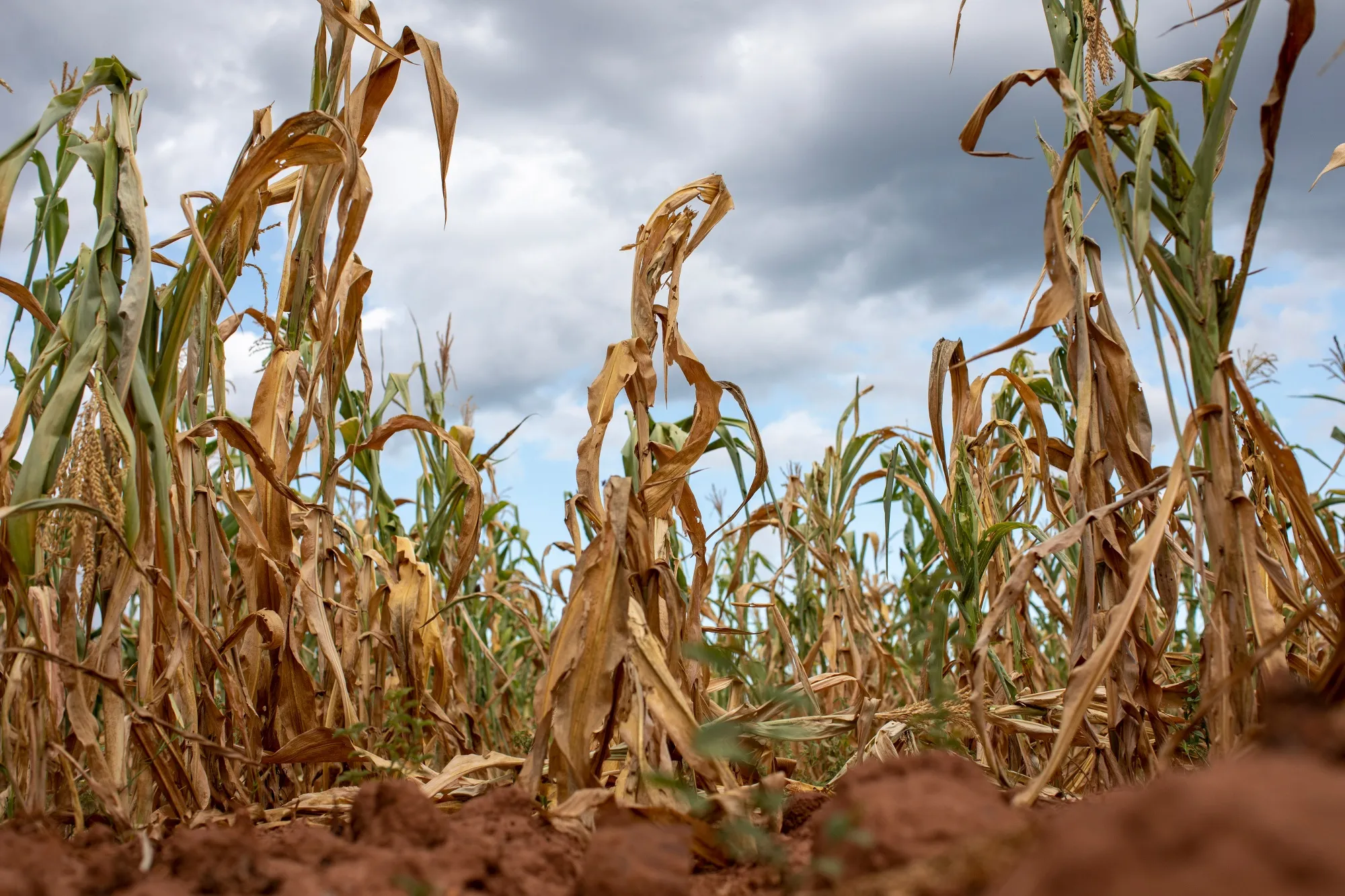
The 2026–2027 rainy season in southern Africa is only beginning, so the largest impacts remain a risk rather than a completed assessment. FEWS NET says forecasts indicate below-average rainfall and above-average temperatures across parts of the region through March 2027. Areas of concern include Zimbabwe, southern Zambia, southern Malawi and central and southern Mozambique. Delayed rain, dry spells and heat could affect planting, crop growth, water supplies and livestock pasture.
The risks are significant because many rural livelihoods depend on rain-fed farming. However, the effects will depend on how rainfall develops over the coming months, and how well communities can prepare. FEWS NET also notes that parts of southern Africa entered the season with cereal stocks supported by a harvest above the five-year average, which could help cushion near-term food supply pressures.
What to watch next
El Niño has already coincided with rainfall deficits and crop stress in some parts of Africa, as well as heavy rain and flooding in others. But it should not be treated as a single explanation for every impact. The 2026–2027 season is still unfolding, and local conditions can differ sharply within one country.
The next few months will be important, particularly for the October–December rains in East Africa and the summer planting season in southern Africa. National weather services and humanitarian agencies will continue monitoring rainfall, river levels, crop conditions, pasture and food prices. Early warnings, flood preparation and support for farmers can help reduce harm, even though forecasts cannot prevent every loss.