Nigeria’s health authorities have investigated two suspected Ebola cases in the country’s northeastern region, raising fresh concerns about the possibility of further spread following the country’s first confirmed infection in more than a decade.
The Nigeria Centre for Disease Control and Prevention (NCDC) announced on Saturday, October 31, that the two individuals had been isolated while medical teams carried out laboratory tests and identified people who may have come into contact with them.
However, the suspected cases were subsequently ruled out. In an update published on Sunday, November 1, Reuters reported that samples from both individuals tested negative after two rounds of laboratory testing. Nigeria’s previously confirmed case therefore remained the only confirmed infection in the country at the time of the update.
Two Suspected Cases Prompt Health Investigation
The initial report from the NCDC triggered an investigation in northeastern Nigeria as authorities worked to establish whether the individuals had contracted the Ebola virus.
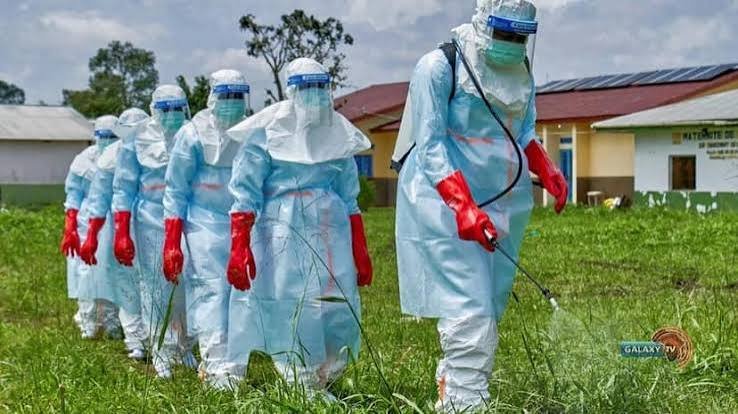
Both suspected patients were placed in isolation as a precautionary measure. Health officials also began contact identification and listing to determine whether other people might have been exposed.
Laboratory testing was central to the investigation because suspected Ebola infections cannot be treated as confirmed cases without appropriate diagnostic evidence.
The NCDC said the results would determine whether the two individuals had contracted the disease. Subsequent testing returned negative results, easing concerns that the infections represented additional cases in Nigeria.
Nigeria’s First Confirmed Ebola Case in More Than a Decade
The investigation came shortly after Nigeria confirmed its first Ebola case in more than ten years.
The confirmed patient was a Swiss woman who had travelled from Uganda to Abuja. Her infection was identified in October, prompting Nigerian health authorities to begin contact tracing and strengthen surveillance measures.
The woman and her husband were later evacuated to Switzerland on October 26 following arrangements involving the relevant authorities.
The initial infection raised concerns because of the possibility that the virus could have been transmitted to other people before the patient was isolated.
Nigeria’s health authorities subsequently monitored individuals identified through contact-tracing activities, including people who may have been exposed during the patient’s stay in the country.
Bundibugyo Virus Raises Public Health Concerns
The outbreak affecting several African countries is caused by the Bundibugyo species of the Ebola virus.
Unlike some other Ebola strains, Bundibugyo has no approved vaccine or specific antiviral treatment. Medical care therefore focuses on managing symptoms, supporting patients and treating complications.
Ebola is a severe viral disease that can cause fever, weakness, vomiting, diarrhoea and, in serious cases, internal or external bleeding. It spreads through direct contact with the bodily fluids of infected people or contaminated materials.
The absence of an approved vaccine for the Bundibugyo strain makes early detection, isolation, contact tracing and infection prevention particularly important.
Health authorities also rely on public awareness campaigns to encourage people to seek medical attention when they develop symptoms or believe they may have been exposed.
DR Congo Remains the Centre of the Outbreak
The wider Ebola outbreak is centred in the Democratic Republic of Congo (DR Congo), where thousands of people have died since the outbreak was declared in May 2026.
The disease has placed considerable pressure on healthcare facilities and emergency response teams, particularly in areas affected by armed conflict and insecurity.
Kenya and Uganda have also reported infections, raising concerns about the potential for cross-border transmission.
The outbreak has become a major public health challenge because of the movement of people between affected areas and neighbouring countries.
Health agencies have consequently called for stronger regional coordination, improved disease surveillance and faster information-sharing among African governments.
The situation has also drawn attention to the importance of maintaining preparedness in countries that have not recorded widespread local transmission.
NCDC Continues Surveillance and Preparedness Measures
Although the two suspected cases in northeastern Nigeria tested negative, the investigations underline the importance of maintaining vigilance.
Health authorities must continue monitoring people who may have been exposed to confirmed infections, while ensuring that suspected cases are promptly assessed.
The NCDC’s response includes laboratory testing, isolation procedures, contact tracing and coordination with healthcare facilities.
Members of the public are also encouraged to maintain good hygiene, avoid direct contact with the bodily fluids of suspected or confirmed patients and seek medical attention if they develop concerning symptoms after possible exposure.
Healthcare workers remain particularly important in preventing transmission because they may come into contact with infected patients during diagnosis and treatment.
Nigeria’s experience with previous Ebola outbreaks has demonstrated the importance of early reporting and coordinated public health action.
Nigeria Avoids Two Additional Confirmed Cases
The negative laboratory results from the two northeastern patients provide some relief for Nigeria’s public health system.
Nevertheless, the country remains on alert because of its previously confirmed case and the continuing outbreak across parts of Africa.
The latest development highlights the difference between suspected and confirmed infections. While the initial investigation required urgent precautionary measures, the subsequent laboratory results established that the two individuals did not have Ebola.
For Nigeria, the immediate priority remains preventing further transmission, monitoring identified contacts and maintaining readiness to respond to any new suspected infections.
As the outbreak continues in DR Congo and other parts of the continent, effective surveillance and cooperation between African health authorities will remain essential to limiting its spread.