A Laotian national deported from the United States to Eswatini has been released after spending more than a year in a maximum-security prison in the southern African kingdom.
Phone Chomsavanh was among five immigrants transferred to Eswatini in July 2025 under a controversial US policy that allows certain deportees to be sent to countries other than their countries of origin.
His release was announced on Sunday, October 4, by his US-based lawyer, Tin Thanh Nguyen, who said Chomsavanh had already left Eswatini and was travelling towards Laos.
Deported to a Country He Had No Connection With
Chomsavanh had no known ties to Eswatini before being sent there, according to his lawyer.
Nguyen said his client was informed only shortly before the military transport carrying him and other deportees arrived in Eswatini that he would be sent to the African country.
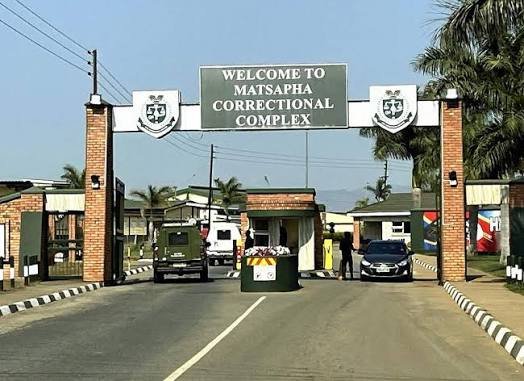
Upon arrival, Chomsavanh was taken to Matsapha Correctional Complex, near Eswatini’s administrative capital, Mbabane.
His lawyer has strongly criticised the circumstances surrounding the detention, arguing that Chomsavanh had already completed his US prison sentence before being transferred out of the country.
Nguyen said the case raised serious questions about the legal protections available to immigrants subjected to third-country deportation.
Chomsavanh Now Heading to Laos
Following his release, Chomsavanh travelled out of Eswatini and reached Johannesburg, South Africa, according to his lawyer.
He is now expected to continue his journey to Laos.
Chomsavanh was born in a refugee camp in Thailand after his parents fled Laos. His family later moved to the United States when he was seven years old, where he spent much of his life.
Although he had been convicted of a serious crime in the US, he had completed his sentence before being transferred to Eswatini, according to his lawyer and the Associated Press report.
The Eswatini government had not immediately issued a public statement confirming his release.
Part of Wider US Deportation Programme
Chomsavanh’s case is linked to the Trump administration’s controversial third-country deportation programme.
Under the arrangement, some immigrants facing removal from the United States have been transferred to African countries that are not their countries of origin.
The policy has attracted criticism from immigration lawyers and human rights organisations, particularly over concerns about whether deportees have adequate opportunities to challenge being sent to countries where they may have no family, legal status or other connections.
Rights organisations monitoring the programme estimate that about 500 immigrants have been transferred from the US to African countries since the policy began.
Several African nations have reportedly accepted people under the arrangement, with some receiving financial payments from the United States.
Eswatini Received Millions
Eswatini, which is Africa’s last absolute monarchy, has received about 30 deportees under the programme, according to reports.
An agreement between Washington and Mbabane provided for the US to pay approximately $5.1 million to Eswatini for accepting deportees.
The arrangement has generated debate over the role of African countries in US immigration enforcement and whether financial agreements should determine where deportees are sent.
Amnesty International said in July that the programme had expanded in Eswatini, with at least 30 people reportedly transferred to the country by that point. The organisation described the arrangement as involving people detained in a country with which they had no previous connection.
Legal Challenges Continue
The US government’s third-country deportation policy has faced legal challenges over the rights of people being removed.
A US appeals court recently upheld a ruling that paused the programme on the grounds that deportees were not being given sufficient opportunity to challenge relocation to a third country when they feared persecution or torture there.
However, the US Supreme Court subsequently allowed the administration to continue the deportations temporarily while the wider legal dispute proceeds.
The Supreme Court is expected to consider arguments in the case later this year.
The controversy has focused attention on the balance between the US government’s efforts to enforce immigration orders and the legal rights of people facing removal.
Concerns Over Transparency
Another major issue surrounding the programme has been the limited public information about where deportees are sent and the conditions under which they are held.
Human rights groups and immigration lawyers have repeatedly called for greater transparency and legal safeguards.
Chomsavanh’s release is therefore likely to renew questions about how third-country deportation agreements operate and what happens to people after they are transferred abroad.
For now, Chomsavanh is leaving Eswatini after more than a year in detention and heading towards Laos, marking the latest development in a case that has become part of a wider international debate over US immigration policy and the treatment of deportees sent to countries outside their homeland.