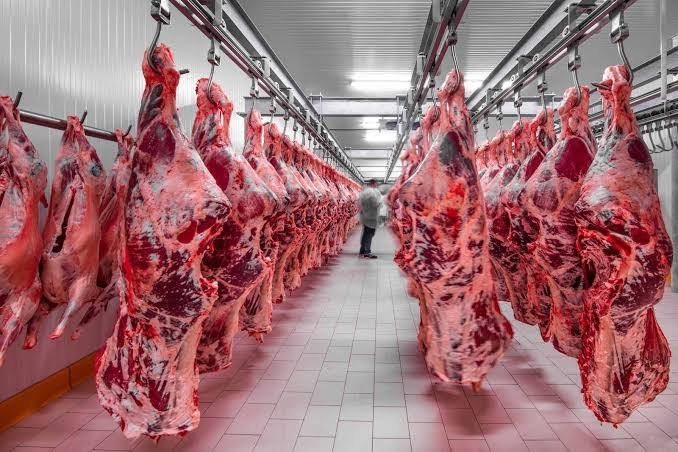
Namibia is facing growing pressure from a foot-and-mouth disease outbreak that has disrupted livestock trading, pushed up meat prices and threatened the livelihoods of farmers and businesses dependent on the country’s meat industry.
The outbreak has also triggered restrictions from the European Union (EU), which has temporarily suspended imports of certain fresh and processed meat products from Namibia’s previously approved export zone. The decision threatens an important overseas market for the southern African country as veterinary authorities intensify efforts to contain the disease.
The crisis is already being felt in Windhoek, Namibia’s capital, where meat vendors are struggling with supply difficulties and rising purchase costs. For businesses that depend on selling grilled beef and other meat products, the disruption has reduced customer traffic and made it harder to earn a living.
The outbreak presents a wider economic challenge because livestock farming and meat exports support farmers, workers, processors, transport operators and other businesses across Namibia.
According to Al Jazeera’s report published on October 14, 2026, authorities are introducing movement restrictions, strengthening surveillance and carrying out emergency vaccination in affected areas to prevent further infections.
Foot-and-Mouth Disease Spreads to Two Namibian Regions
Namibia’s veterinary authorities first confirmed the outbreak on September 23, 2026, after the disease was detected on a commercial farm in the Karasburg State Veterinary District in the southern Kharas Region.
The situation subsequently became more complicated when another outbreak was confirmed in the Zambezi Region in the north of the country.
In an update covering the situation as of October 6, the Ministry of Agriculture, Fisheries, Water and Land Reform reported that 129 animal samples had tested positive and 17 farms had been confirmed as infected in the initial affected area. Veterinary teams had inspected dozens of farms as part of efforts to identify further cases.
The northern outbreak was confirmed on October 7 after laboratory tests detected the virus in cattle at Kalala Island, in the Kabbe constituency of the Zambezi Region.
The disease has raised concerns among farmers and officials because it spreads easily among susceptible animals, including cattle, sheep, goats and pigs. Outbreaks can lead to restrictions on animal movement and international trade, even when authorities are working to prevent the virus from spreading beyond affected locations.
Namibian officials have therefore stepped up surveillance and introduced controls designed to limit contact between livestock from different areas.
The detection of the disease in two regions has increased the challenge facing veterinary teams, although available information does not establish that the northern outbreak originated directly from the southern one.
European Union Suspends Selected Namibian Meat Imports
The European Union announced the temporary restrictions on October 5 after Namibia reported the initial outbreak in the Kharas Region.
The measures cover specified fresh meat from cattle, sheep and goats, as well as certain products from other farmed and wild hoofed animals. Some processed products, including biltong and jerky, are also affected.
However, the decision does not amount to a complete ban on every meat product from Namibia. Certain processed meat products can still enter the European market if they undergo the treatment required under EU regulations to reduce disease risks.
There is also a transitional arrangement for qualifying fresh-meat shipments certified by Namibian authorities before September 23. These consignments may be admitted during a 90-day period, subject to EU rules and checks by border authorities.
The restrictions are intended to protect animal health and are linked to the affected export zone’s disease status. The EU has said it will continue monitoring the situation with Namibian officials and may review the measures as conditions improve. The decision does not remove Namibia’s preferential trade access under the EU-Southern African Development Community Economic Partnership Agreement.
For Namibia, the immediate concern is the potential loss of access to a valuable export destination. Restrictions on overseas sales can leave producers with fewer buyers and force some businesses to seek alternative markets.
The consequences could extend beyond farmers to meat processors, transport companies, exporters and rural communities that depend on livestock-related income.
Meat Prices Rise as Vendors Struggle in Windhoek
The impact of the outbreak is becoming visible in Windhoek, where meat vendors say supply difficulties and higher purchasing costs are affecting their businesses.
At the Single Quarter open meat market, traders who sell kapana, a popular Namibian grilled-meat dish, have reported slower business following market closures and uncertainty over available supplies.
Some vendors say they are finding it increasingly difficult to purchase enough meat to maintain their usual operations. Higher costs are also squeezing earnings because businesses cannot always pass the full increase on to customers.
The disruption is particularly concerning for small traders who rely on daily sales to cover household expenses and operating costs.
Consumers have also expressed concern about the availability and affordability of beef, which holds an important place in Namibia’s food culture.
Some retailers have reported shortages of selected premium beef products. Al Jazeera also reported that panic buying contributed to pressure on supplies, adding another challenge for businesses attempting to manage available stock.
If restrictions continue for an extended period, vendors could face further financial difficulties, while households may have to adjust their spending as meat prices rise.
Namibia Intensifies Disease-Control Measures
Namibian authorities have expanded efforts to contain the virus and prevent further infections.
In the Zambezi Region, officials have restricted the movement of susceptible animals and their raw products. Previously issued movement permits have been cancelled, while livestock auctions, informal markets and other gatherings involving animals have been suspended.
Slaughter at certain local facilities and during informal or social events has also been halted. Some export-approved abattoirs may continue operating under specific arrangements, provided eligible cattle meet quarantine and traceability requirements.
Emergency vaccination has begun in affected areas, supported by roadblocks and more intensive veterinary surveillance.
The government is also strengthening physical barriers intended to limit the movement of livestock across high-risk areas. Work on a veterinary cordon fence along the Orange River in the Kharas Region is among the measures intended to improve controls near the South African border.
These interventions are designed to reduce the risk of the disease spreading between herds and regions. Their success will depend on effective monitoring, cooperation from farmers and compliance with movement restrictions.
Authorities are also tracing livestock movements made before the outbreaks were confirmed, helping veterinary teams identify potential exposure and determine where additional inspections may be necessary.
Meat Industry Faces Production and Employment Pressure
The outbreak is affecting more than farmers and street vendors. Namibia’s meat-processing industry is also experiencing uncertainty as restrictions disrupt the movement of animals and limit access to some export markets.
According to reporting by The Namibian cited by Al Jazeera, the Meat Corporation of Namibia, known as Meatco, placed approximately 400 production workers on three weeks of special leave with full pay.
The arrangement was due for review on October 23, with decisions about workers’ return dependent on guidance from veterinary authorities.
Meatco had also paid farmers about 31 million Namibian dollars, equivalent to approximately $1.8 million, for cattle delivered to its Windhoek abattoir between August 29 and September 11.
Although those payments covered animals already delivered, the outlook for future sales remained uncertain because of the disruption to production and export access.
For livestock producers, restrictions can create serious cash-flow problems. Farmers may be unable to sell animals when planned, even if their own herds have not tested positive for the disease.
Keeping livestock for longer can increase costs, while processors may face lower activity and continuing expenses for facilities and staff.
The longer the disruption lasts, the greater the potential pressure on businesses throughout the supply chain.
Farmers Call for Export Markets to Reopen
Namibia’s agricultural sector is urging authorities to pursue the restoration of export access alongside efforts to eliminate the outbreak.
The Namibia Agricultural Union has acknowledged that restrictions are necessary to contain the disease but warned that prolonged disruption could affect producers well beyond the farms where infections were first identified.
Farmers depend on the ability to sell livestock regularly to finance their operations, maintain their herds and meet other expenses.
Gert Engelbrecht, a farmer from Aranos, told Al Jazeera that livestock production represents both a livelihood and a long-term investment for farming families. He stressed the importance of controlling the disease and recovering Namibia’s recognised disease-free status.
Restoring that status is particularly important because international buyers often impose strict animal-health requirements on meat imports.
Even after domestic trading resumes, export recovery may take longer. Authorities and trading partners will need to assess the disease situation and determine whether the necessary conditions for safe trade have been met.
The agricultural union has therefore called for market recovery to receive attention alongside disease containment, arguing that farmers and businesses could continue suffering even after restrictions within Namibia are eased.
Outlook for Namibia’s Livestock Economy
The foot-and-mouth disease outbreak has become a major test for Namibia’s veterinary services and livestock industry.
The combination of movement restrictions, higher domestic meat costs and temporary limits on selected exports has created uncertainty for farmers, retailers and processors.
The European Union’s decision is a precautionary animal-health measure rather than a permanent withdrawal from trade with Namibia. Nevertheless, the length of the disruption and the speed at which the disease is controlled will be important in determining the economic consequences.
For now, Namibia’s priorities are to contain infections, prevent further spread, protect livestock and work towards restoring access to affected export markets.
The outcome will matter not only to cattle farmers but also to workers, traders and communities whose incomes depend on the country’s livestock economy.