Chad is intensifying its response to a dengue fever outbreak after health authorities reported eight deaths and 250 confirmed infections, with more than 3,000 suspected cases recorded across the country.
The latest figures were announced by Chad’s Ministry of Public Health in N’Djamena on October 19, 2026. The outbreak has now spread to five areas: Wadi Fira, Ouaddaï, Sila, Batha and the capital, N’Djamena.
The increase has heightened concerns among health officials, who are stepping up disease surveillance, testing, patient care and efforts to control the mosquitoes responsible for transmitting the virus.
The latest report represents a rise from the figures recorded on October 8, when authorities counted 2,929 suspected infections, 213 laboratory-confirmed cases and seven deaths. The new tally adds 37 confirmed cases and one death to that earlier assessment.
The outbreak presents an additional challenge for Chad’s public health system as authorities work to contain infections and prevent further loss of life.
Five Areas Affected by the Dengue Outbreak
The latest health update identifies four provinces and the capital as areas affected by the outbreak.
N’Djamena has been a major focus of concern. In the October 8 report, the capital accounted for 173 of the 213 confirmed cases recorded at that time, or about 81% of the total. Infections had been identified across five health districts in the city.
The outbreak has also affected Wadi Fira, Ouaddaï, Sila and Batha, expanding the geographical reach of the health emergency.
Authorities have traced the emergence of the disease to July 2026, when transmission was detected at the Kounoungou refugee camp in the Wadi Fira region, according to officials quoted in earlier reports. The government publicly declared the outbreak on October 3.
The spread across several areas makes surveillance and coordinated intervention particularly important. Health teams need to identify suspected infections quickly, confirm cases through testing and ensure that people who develop serious symptoms receive appropriate care.
Government Steps Up Emergency Response
Chad’s health authorities have increased coordination with technical and financial partners to strengthen the response to the outbreak.
The national response plan covers seven key areas: coordination, disease surveillance, laboratory diagnosis, patient management, public communication, mosquito control and logistical support. These measures are intended to improve the detection of new infections and limit further transmission.
Officials are also urging residents to take practical steps to reduce mosquito breeding sites around their homes and communities.
The recommendations include removing standing water, cleaning the surroundings of houses and disposing of containers that may collect rainwater. Residents are also encouraged to use mosquito repellents and wear clothing that covers their arms and legs where possible.
In N’Djamena, municipal authorities have begun stepping up mosquito-control activities, including insecticide spraying in neighbourhoods as part of efforts to reduce mosquito populations.
However, the effectiveness of these interventions will depend on sustained implementation, public cooperation and the ability of health services to respond quickly as the outbreak develops.
What Is Dengue Fever?
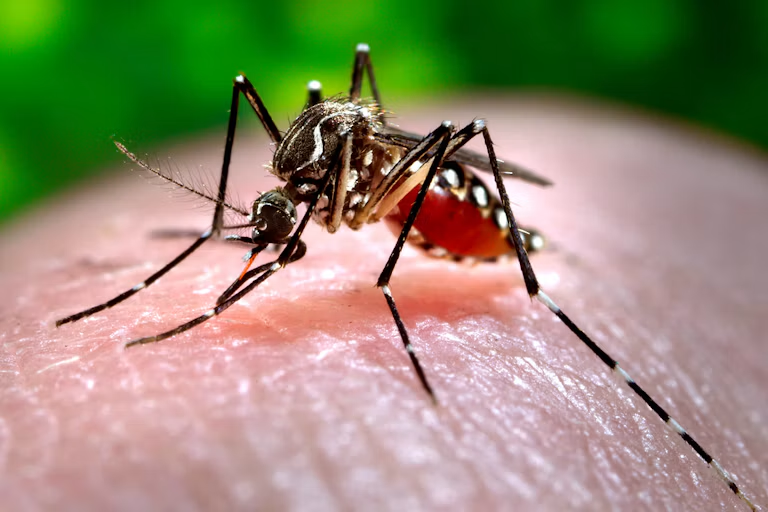
Dengue is a viral infection transmitted mainly through the bites of infected Aedes mosquitoes. It is common in tropical and subtropical regions, where warm conditions can support mosquito breeding.
Symptoms can include high fever, severe headaches, pain behind the eyes, muscle and joint pain, nausea and skin rashes. Some infected people experience mild symptoms, while others may develop serious complications.
Warning signs can include severe abdominal pain, persistent vomiting, bleeding, unusual weakness or difficulty breathing. Anyone experiencing these symptoms should seek urgent medical attention rather than attempting to manage the illness without professional advice.
There is no specific antiviral treatment that cures dengue. Medical care focuses on managing symptoms, maintaining hydration and monitoring patients for complications. Early assessment is particularly important because severe dengue can become life-threatening.
Health officials are therefore encouraging people in affected areas to visit a health facility promptly if they develop symptoms consistent with the infection.
Chad Faces Another Dengue Outbreak After 2023
The current outbreak is the second officially recorded dengue epidemic in Chad, following an outbreak in 2023. Its emergence adds to the pressure on the country’s health services and reinforces the importance of stronger disease surveillance and mosquito-control programmes.
The presence of suspected infections alongside laboratory-confirmed cases also highlights the need for continued testing and reliable reporting. Suspected cases are people who may have the disease based on symptoms or clinical assessment, while confirmed cases have been verified through diagnostic testing.
The distinction matters when tracking the scale of an outbreak and deciding where to direct medical resources.
For communities in the affected regions, preventing mosquito bites and reducing breeding sites remain important ways to limit exposure. At the same time, authorities must ensure that health workers have the equipment, diagnostic capacity and logistical support needed to respond to new cases.
Outlook: Containing the Spread of Dengue in Chad
With eight deaths and 250 confirmed infections reported by October 19, Chad’s health authorities face an urgent task in limiting the spread of dengue.
The concentration of confirmed cases in N’Djamena, together with the identification of infections in four other provinces, makes continued monitoring essential. The total number of suspected cases also indicates that the scale of the outbreak extends beyond the infections confirmed through laboratory testing.
The coming weeks will be important in determining whether the government’s surveillance, treatment and mosquito-control measures can slow transmission.
For residents, following public health guidance, eliminating standing water and seeking medical attention when warning signs appear can help reduce risks. For health authorities, rapid detection and coordinated action will remain central to the response.
The latest figures underline the seriousness of the outbreak, but they do not yet establish how quickly it will spread or when it will be brought under control.