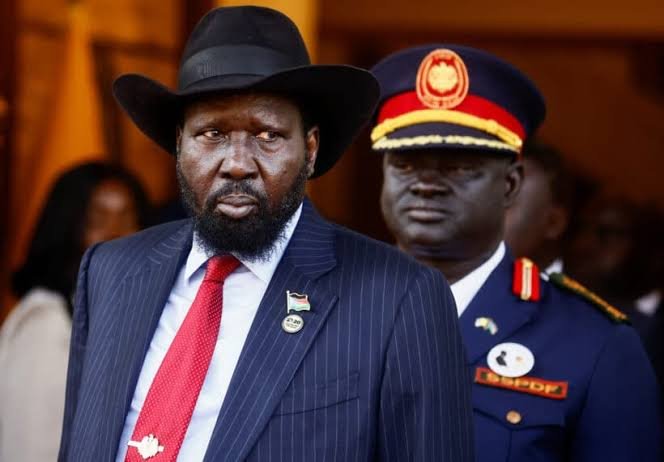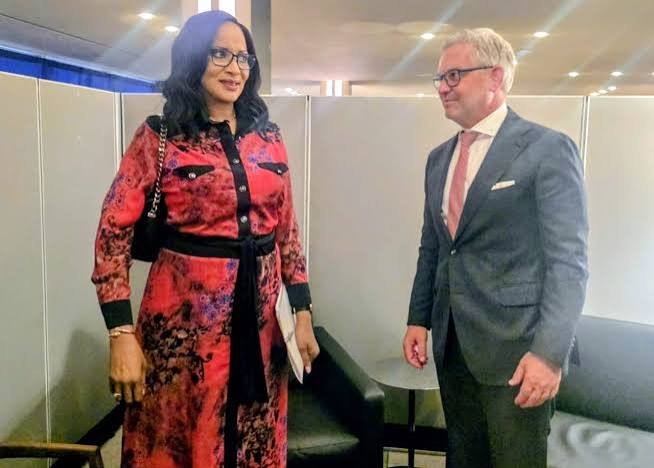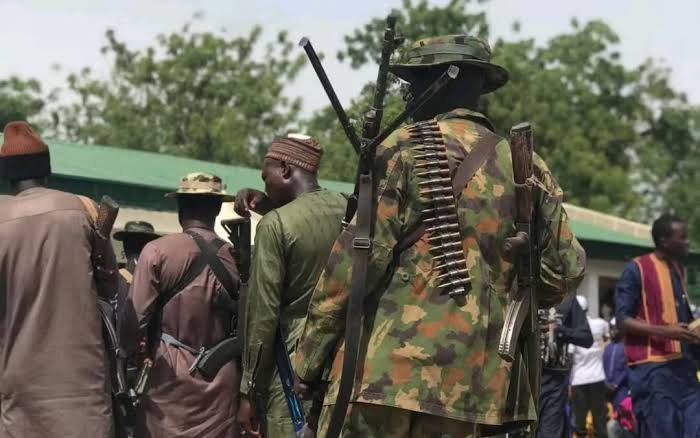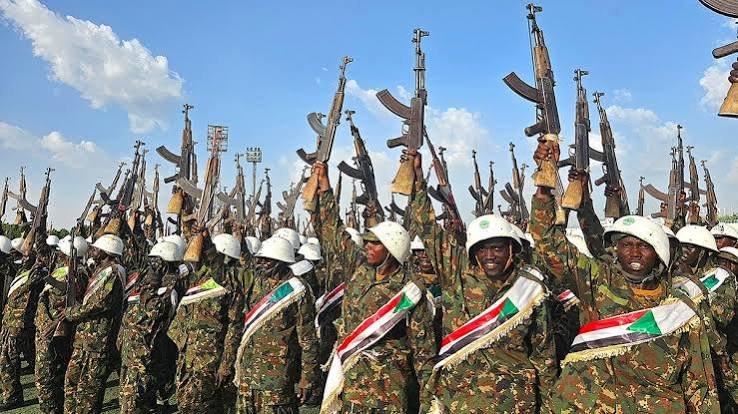
A diplomatic dispute between the United States and Sudan over a visa for army chief Abdel Fattah al-Burhan has brought renewed attention to the country’s prolonged civil war and the growing involvement of outside powers.
Burhan, who heads the Sudanese Armed Forces (SAF), had been expected to travel to New York for the United Nations General Assembly. However, the United States withheld his visa as Washington pushed for acceptance of a proposed 90-day humanitarian ceasefire. Reuters reported that the move was linked to the US effort to pressure Sudan’s military leadership into supporting the truce.
The development has added another layer to relations between Washington and Sudan’s military government, which have already been strained by disagreements over how the conflict should be brought to an end.
Burhan responded defiantly from Khartoum, saying Sudan would not allow foreign governments to dictate its decisions. His position reflects the government’s insistence that any ceasefire arrangement must address its concerns about the Rapid Support Forces (RSF), the paramilitary group fighting the army.
A senior adviser to Burhan, Amjad Farid Al-Tayyib, later told Fox News Digital that Sudan had not rejected the American ceasefire proposal. Instead, he said Sudan had submitted technical observations and wanted changes to the plan before accepting it.
The disagreement centres partly on the treatment of territory controlled by the RSF. Sudanese officials have argued that simply freezing existing battle lines could allow the paramilitary group to retain control of civilian areas and potentially create conditions for the country’s division.
Washington, however, has maintained that both the SAF and RSF need to commit to an immediate humanitarian pause, allow aid to reach civilians and eventually participate in an inclusive political process leading to civilian rule.
US State Department spokesman Tommy Pigott said neither of the two armed factions nor their leaders currently represents legitimate constitutional governance for Sudan. Washington has also said it wants the fighting parties to stop receiving external military and financial assistance.
The United Nations became involved in the visa dispute after Sudan appealed for intervention. UN Secretary-General António Guterres’ spokesman, Stéphane Dujarric, said the organisation had raised the matter with US authorities and was engaging with Washington over the issue.
Sudan’s war and foreign involvement
The latest diplomatic confrontation is taking place against the backdrop of a war that began in April 2023, when a power struggle between Burhan’s army and RSF commander Mohamed Hamdan Dagalo, popularly known as Hemedti, escalated into nationwide fighting.
The conflict has produced a major humanitarian emergency, with millions of Sudanese forced from their homes. The United Nations has described the situation as one of the world’s most serious humanitarian crises.
Both sides have been accused of grave abuses. UN investigators have documented attacks against civilians and widespread destruction, while separate investigations have highlighted particularly severe violations attributed to the RSF during its campaign around El Fasher, including killings, torture, sexual violence and forced displacement.
The war has also increasingly become connected to regional competition.
Sudan’s strategic location on the Red Sea, its proximity to Egypt and the Horn of Africa, and its natural resources have made the conflict important to neighbouring countries and other international powers.
The United States has been working through a diplomatic grouping involving Egypt, Saudi Arabia and the United Arab Emirates, commonly referred to as the Quad, in an effort to encourage a ceasefire and eventually establish a broader political settlement. Washington has also called for outside military support to the rival Sudanese factions to be halted.
US Secretary of State Marco Rubio has acknowledged the difficulty of the mediation effort, saying outside actors are contributing to the continuation of the conflict. He has argued that attempts to negotiate pauses in the fighting have repeatedly failed when either side believes it can gain an advantage on the battlefield.
The United Nations has similarly reported that foreign weapons, military technology, fighters and logistical networks are helping sustain the conflict and expanding the ability of the warring parties to conduct attacks, including drone strikes against distant targets.
For Sudan, the dispute over Burhan’s UN trip therefore represents more than a disagreement over travel documents. It reflects the much broader disagreement between Sudan’s military leadership and international mediators over the terms of a ceasefire, the future political structure of the country and the role foreign governments should play in determining the path toward peace.
While Washington continues to press for an immediate humanitarian truce and eventual civilian transition, Sudan’s military authorities insist that any settlement must take account of territorial control, national sovereignty and the involvement of foreign actors in the war.
With fighting continuing and diplomatic efforts facing repeated setbacks, Sudan remains at the centre of a complicated regional contest in which the interests of neighbouring states and major international powers intersect with the country’s devastating internal conflict.