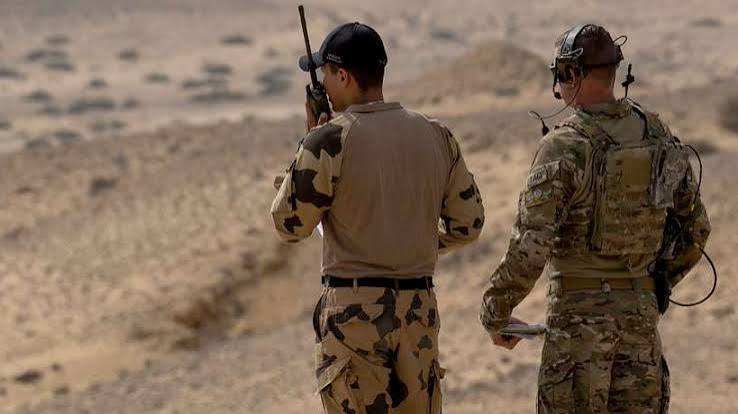
Two Egyptian military officers have been killed during an operation targeting illegal gold mining activities along the country’s southern border with Sudan, according to Egypt’s armed forces.
The announcement was made by a military spokesperson on Thursday, November 5, 2026, as authorities provided an update on an ongoing security campaign in the Eastern Desert.
One of the officers killed was a senior border guard official. The military did not disclose the exact circumstances surrounding their deaths or explain when the incident occurred.
The operation, which began in June, is aimed at stopping unauthorised gold extraction, strengthening government control over border communities and preventing the exploitation and smuggling of valuable mineral resources.
Egypt Expands Military Campaign Against Illegal Gold Mining
Egypt’s armed forces said three phases of the campaign had been completed, with a fourth stage scheduled to commence on Saturday.
The military described the operation as part of broader efforts to protect the country’s natural resources and maintain security within its internationally recognised territory.
According to the spokesperson, security personnel have detained 151 Egyptian nationals and 540 foreign nationals since the campaign started.
The military did not provide further details about the identities or nationalities of those arrested. However, the scale of the detentions highlights the authorities’ concerns about illegal mining activities in the border region.
The Eastern Desert and areas close to Sudan contain valuable mineral deposits, making them attractive to informal mining networks. Authorities have increasingly focused on these activities because of concerns about unauthorised extraction, cross-border trafficking and the movement of armed groups.
Sudan’s Gold Trade Adds to Border Security Concerns
The crackdown comes amid a growing gold trade in northern Sudan, where the ongoing civil war has severely disrupted economic activities and livelihoods.
With formal employment and other sources of income affected by the conflict, artisanal gold mining has become an important means of survival for some communities.
Gold has also emerged as a significant source of revenue during the war. However, the trade has raised concerns about smuggling, particularly through remote sections of the Sudan-Egypt border.
Industry participants and experts say substantial quantities of Sudanese gold are transported into Egypt through poorly controlled and disputed border areas.
The mineral-rich Halayeb and Shalateen regions are among the areas associated with the wider border security and resource-control concerns.
Egypt’s military has indicated that preventing illegal mining and protecting national resources remain central objectives of its campaign.
Rights Group Raises Questions Over Deadly Airstrike
The military operation has attracted additional attention following allegations by Sudanese rights monitor Emergency Lawyers concerning an airstrike on an artisanal gold mining site in northern Sudan in October.
The organisation reported that at least 72 miners were killed in the attack near the Egyptian border and blamed the Egyptian Air Force.
Egypt’s military did not directly address the allegations in its subsequent statements about the crackdown.
The issue has raised questions about the risks facing informal miners operating in remote border communities, particularly as military operations against suspected illegal mining networks continue.
In an earlier statement, Egypt’s armed forces said warning leaflets had been distributed before an operation targeting what they described as criminal elements involved in illegal mining.
The military’s announcement did not establish whether the two Egyptian officers were killed during an encounter with miners, in an armed confrontation or under other circumstances.
The circumstances surrounding their deaths therefore remain unclear.
Egypt and Sudan Strengthen Border Cooperation
Egyptian military officials also confirmed that Cairo was working with Sudanese authorities on security matters along their shared border.
According to the spokesperson, officials from both countries had held recent meetings and exchanged information aimed at improving border security.
The cooperation is significant because the conflict in Sudan has made the wider region more difficult to secure. The movement of people, weapons and valuable commodities across remote border routes has become an important concern for neighbouring countries.
For Egypt, controlling illegal gold mining is connected not only to protecting mineral wealth but also to preventing criminal networks from using border areas for trafficking and other unlawful activities.
The two countries’ security coordination is expected to remain important as Sudan’s conflict continues and informal gold trading expands.
A Wider Challenge for the Region
The situation illustrates the complicated relationship between mineral resources, insecurity and economic hardship in parts of northeast Africa.
While Egypt is seeking to prevent illegal extraction and protect its territory, the expansion of artisanal mining in Sudan is also linked to the economic consequences of the country’s prolonged war.
For many miners, gold prospecting has become one of the few available sources of income. At the same time, the trade can provide revenue for networks involved in smuggling and other illicit activities.
Egypt’s fourth phase of operations will test the authorities’ ability to maintain control over the border region while addressing the security challenges associated with illegal mining.
The deaths of the two officers have added a serious dimension to the campaign. However, the Egyptian military has yet to provide details about the incident, and allegations surrounding the October airstrike in Sudan remain a separate issue requiring clarification.
For now, authorities in Cairo and Khartoum appear focused on strengthening cooperation and tightening control over the border as they seek to disrupt illegal gold mining and cross-border smuggling.