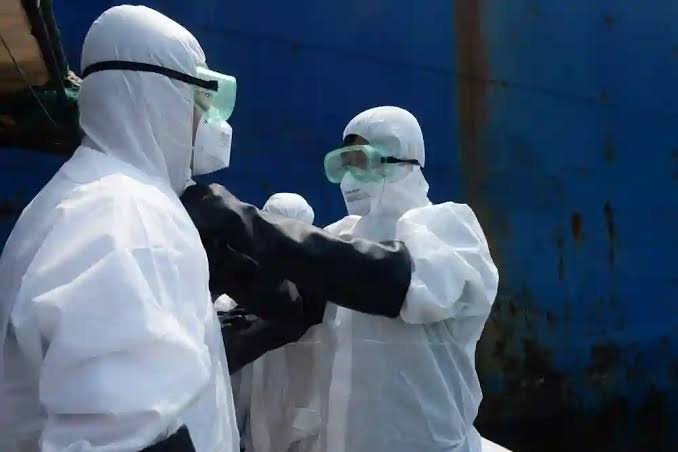
Kenya’s response to recent Ebola infections is raising questions about whether the country’s emergency health systems are adequately prepared to protect people living in remote communities far from major hospitals and laboratories.
While authorities have strengthened airport screening, contact tracing and medical surveillance following imported cases of the Bundibugyo strain of Ebola, concerns remain about the ability of counties outside major urban centres to identify suspected infections and respond quickly.
A suspected Ebola case in Wajir County, in northeastern Kenya, brought these challenges into focus. The patient tested negative for the virus, easing immediate concerns about a possible infection in the area. However, the incident highlighted the importance of having reliable testing arrangements, trained health workers and properly equipped isolation facilities across the country.
The case has prompted renewed attention to how prepared Kenya’s local health facilities are to manage infectious disease threats, particularly in border regions where people frequently travel between countries.
According to Al Jazeera’s report published on October 15, 2026, Wajir officials say they have taken steps to strengthen their readiness. However, limited information about staffing levels, equipment and funding makes it difficult to determine whether the county could effectively handle a larger outbreak.
The central issue is whether Kenya’s national preparedness measures can provide adequate protection to communities beyond Nairobi and other major population centres.
Wajir County’s Preparedness Under Scrutiny
Wajir County officials say they have established an isolation centre in Wajir town and formed a rapid-response team to prepare for possible Ebola cases.
Garad Saney Mohamed, the county’s communications director, told Al Jazeera that local authorities had also introduced public awareness activities through radio broadcasts, school health programmes, posters and community health promoters.
The county has reportedly developed a preparedness plan and allocated a budget for its response activities.
These measures are important because the early identification of a suspected Ebola infection can help health workers isolate patients, arrange appropriate testing and reduce the risk of further transmission.
However, questions remain about the practical capacity of the county’s facilities. Officials did not provide detailed information about the isolation centre’s capacity, the number of health workers specifically trained to handle Ebola cases or the amount of funding available for preparedness.
Without such information, it is difficult to assess whether the county has sufficient resources to respond to a serious infectious disease emergency.
The suspected case involved a 20-year-old man who had travelled from the Democratic Republic of the Congo through Uganda before arriving in Wajir on September 20. He was assessed at Habaswein Subcounty Hospital after developing a severe febrile illness.
His sample tested negative for Ebola, according to county officials, and he was expected to remain under observation while receiving medical care.
Although the result was reassuring, the incident demonstrated why local hospitals need clear procedures for recognising suspected infections, safely handling patients and arranging laboratory testing.
Border Communities Need More Than Airport Screening
Wajir’s location near Somalia makes disease surveillance and public health communication particularly important.
People regularly move across borders for trade, family visits and other activities. While screening at airports and official border crossings is an important part of disease prevention, it cannot replace strong healthcare systems within local communities.
Health workers at smaller facilities need to recognise warning signs, follow infection-prevention procedures and know how to refer suspected cases to designated treatment centres.
They also need protective equipment, access to reliable testing and clear communication channels with county and national health authorities.
If these arrangements are weak, suspected infections may be difficult to identify and manage promptly, especially in remote areas where access to specialist medical services can be limited.
Public information is equally important. Residents need to know where to seek medical advice, how to report possible exposure and what steps to take if they develop concerning symptoms.
Community health workers and local radio stations can help deliver this information in familiar languages, reducing confusion and countering rumours during an outbreak.
Wajir’s experience therefore raises a broader question for Kenya: whether emergency health resources are reaching the communities that may have the greatest difficulty accessing specialised care.
Kenya Strengthens Its Response After Imported Ebola Cases
Kenya intensified its public health response after confirming an Ebola infection involving a citizen who had travelled from the Democratic Republic of the Congo through Uganda.
The patient arrived in Nairobi on October 3, 2026, and was diagnosed with the Bundibugyo virus, a strain of Ebola. He died on October 5, according to reports from health authorities and the World Health Organization.
On October 14, Kenya confirmed a second infection involving a 39-year-old close relative of the first patient. The man had already been identified as a contact and placed under quarantine before developing symptoms, including fever, fatigue and joint pain.
Health officials said laboratory tests confirmed the second infection and that the patient was transferred to a designated treatment facility for care.
The Ministry of Health reported that the two infections were linked and said there was no evidence of wider community transmission at the time of the announcement. The second case also demonstrated the importance of identifying and monitoring contacts who may have been exposed to an infected person.
Following the initial case, authorities expanded surveillance, contact tracing and screening at airports and other points of entry. The response also involved laboratory testing and efforts to provide health workers with the skills needed to manage suspected infections.
These measures are intended to identify additional cases quickly and prevent the virus from spreading further.
However, the ability to respond effectively depends not only on national coordination but also on whether individual counties have the facilities and personnel needed to carry out the required procedures.
National Preparedness Figures Do Not Tell the Whole Story
Kenya has reported progress in strengthening its ability to respond to Ebola and other public health emergencies.
According to figures cited by Al Jazeera, the country screened more than 652,000 travellers by October 6, tested 267 samples and trained nearly 5,000 healthcare workers in Ebola prevention and management.
By October 12, the World Health Organization reported that the number of travellers screened had exceeded 665,000. The country had also identified five laboratories for testing, while contact tracing and quarantine arrangements were being expanded.
The WHO reported that Kenya’s national preparedness score increased from 66 per cent in May to 82 per cent in July.
The assessment covered areas such as disease surveillance, laboratory capacity, isolation and treatment facilities, and the availability of trained response teams.
These figures suggest that Kenya had strengthened several aspects of its preparedness before the recent cases were confirmed.
Nevertheless, national statistics do not necessarily show whether all counties have equal access to resources. A country may have trained thousands of health workers while some remote facilities still lack sufficient protective equipment, specialised training or reliable referral arrangements.
For that reason, experts and health authorities need to assess preparedness at the local level, including in counties such as Wajir.
The priority is to ensure that the systems supporting the national response are available where suspected infections actually emerge.
Health Workers Need Equipment and Clear Procedures
Responding safely to a suspected Ebola infection requires more than identifying symptoms.
Medical personnel must know how to isolate patients, use protective equipment correctly, follow infection-prevention procedures and arrange safe transportation of samples to laboratories.
Facilities also need clear referral systems so that patients can receive appropriate care without exposing other people unnecessarily.
These requirements are particularly important when a suspected case presents at a smaller hospital that may not have the resources of a major referral centre.
Kenya’s public health authorities have emphasised the need to protect frontline healthcare workers as the response continues.
Mary Muthoni, the principal secretary for public health and professional standards, highlighted the importance of ensuring that staff dealing with suspected cases have appropriate protective equipment. Her remarks were delivered on behalf of Health Cabinet Secretary Aden Duale, according to the WHO statement cited by Al Jazeera.
Protecting health workers is essential not only for their own safety but also for maintaining public confidence in the healthcare system.
If medical staff are adequately trained and equipped, they are better positioned to identify potential cases, follow established protocols and reassure communities that suspected infections are being handled appropriately.
Fighting Misinformation Is Also Part of Ebola Preparedness
Public communication remains another important component of Kenya’s response.
During disease emergencies, misinformation can create unnecessary fear, discourage people from seeking treatment or lead residents to misunderstand how an infection spreads.
Health authorities therefore need to provide clear, consistent information about symptoms, possible exposure and where people can obtain medical assistance.
In Wajir, radio programmes, schools, posters and community health promoters are among the channels reportedly being used to raise awareness.
Such activities can help residents understand why suspected cases must be assessed promptly and why people identified as contacts may need monitoring.
Community leaders can also play an important role in building trust between health officials and residents.
However, awareness campaigns are most effective when they are supported by functioning health services. Residents who report symptoms or seek medical advice need access to professionals who can assess their condition and explain the next steps.
The combination of accurate information, accessible healthcare and reliable emergency procedures is essential to an effective public health response.
Can Kenya Protect Communities Beyond Nairobi?
Kenya’s recent Ebola response has demonstrated its ability to mobilise national resources, increase traveller screening and confirm infections through laboratory testing.
But the suspected case in Wajir highlights a different challenge: ensuring that preparedness extends to remote counties where healthcare access and specialist facilities may be more limited.
The negative test result was reassuring, but it did not eliminate the need to examine the county’s capacity to respond to future emergencies.
Authorities need to establish whether local isolation facilities can accommodate suspected cases, whether enough health workers have the necessary training, and whether samples can be transported and tested without unnecessary delays.
They must also ensure that local health departments have adequate funding and that communication between county facilities and national authorities remains effective.
The confirmed infections have made continued surveillance and contact monitoring particularly important. At the same time, the absence of evidence of wider community transmission in the reported cases should be communicated clearly to prevent unnecessary panic.
Ultimately, Kenya’s ability to contain an infectious disease threat will depend on how effectively national resources are translated into practical protection for communities across the country.
The experience in Wajir offers an opportunity to identify weaknesses before a more serious emergency develops. Strengthening local health facilities, protecting frontline workers and improving access to reliable information will be essential to ensuring that the country’s preparedness reaches beyond Nairobi.