Nigeria is seeking to attract $78.5 billion in investment for 65 proposed projects spanning energy, transportation, agriculture, manufacturing, mining, technology and other critical sectors, as the Federal Government intensifies efforts to expand the economy and create employment opportunities.
The investment portfolio, published on the Federal Government’s Projects Nigeria platform, presents opportunities for domestic and international investors to finance developments expected to strengthen infrastructure, expand industrial capacity and support economic growth.
According to the project breakdown reported by Punch Newspapers on October 16, 2026, the proposed initiatives could generate approximately 366,763 jobs if the investments are secured and the projects are successfully implemented. The funding requirement covers projects at different stages of development, with financing arrangements varying across the portfolio.
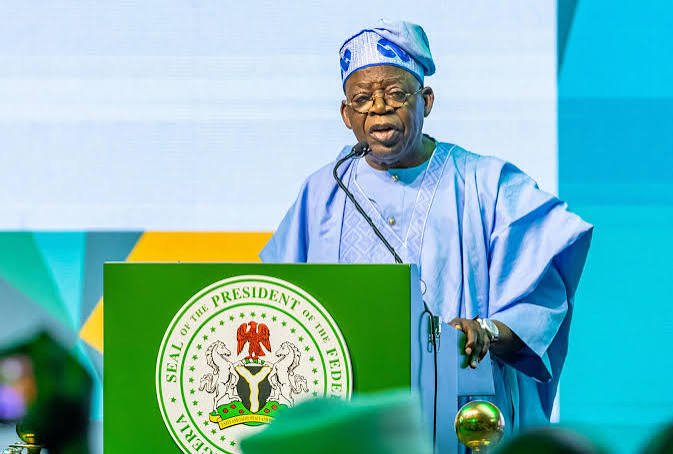
President Bola Tinubu has encouraged Nigerian and foreign investors to examine the proposals and engage directly with the organisations responsible for developing them.
The government has also indicated its willingness to work with investors to address obstacles that could prevent viable projects from moving into implementation.
The initiative comes as Nigeria seeks to improve its investment climate, address infrastructure shortages and increase private-sector participation in economic development.
Energy and Power Projects Account for the Largest Share
The oil, gas and power sector represents the biggest category in Nigeria’s investment pipeline, with 25 projects requiring approximately $36.4 billion.
The proposals cover refinery development, liquefied natural gas facilities, fertiliser production, gas transportation, electricity generation and other energy-related infrastructure.
The largest project in this category is the proposed Ondo Modular Refinery, which has an estimated funding requirement of $15 billion. Other major proposals include the Ace 3 floating liquefied natural gas project in Delta State, estimated at $5.5 billion, and an NPK and urea import-substitution initiative requiring $4.69 billion.
The portfolio also features LNG developments in Akwa Ibom and Delta states, alongside projects intended to improve crude oil evacuation and expand gas-processing capacity.
Several smaller proposals focus on electricity generation, gas distribution and compressed natural gas infrastructure.
These projects could help address some of Nigeria’s long-standing energy challenges, particularly inadequate electricity supply, insufficient processing capacity and constraints affecting the movement of oil and gas.
However, their contribution will depend on whether sponsors can secure financing, obtain necessary approvals and complete construction within commercially viable timelines.
The scale of the proposed energy investments also highlights the substantial capital required to modernise Nigeria’s infrastructure and increase the contribution of domestic industries to economic growth.
Transport and Maritime Infrastructure Need $25 Billion
Transport and maritime development is the second-largest investment category, with eight projects seeking a combined $25 billion.
The most expensive proposal is the Strategic Deep Sea Ports initiative, valued at $11.5 billion. It covers proposed port developments in locations including Badagry, Ibom, Ondo, Agge and Bakassi.
The National Inland Waterways project follows with an estimated funding requirement of $10 billion.
Other proposals include the Lagos Greenline Railway, Anambra Intra-City Rail, Calabar–Obudu Railway, Enugu Light Rail, Ogun Rail Extension and the Traxport Lagos–Kano Rail Cargo project.
These investments are intended to improve the movement of passengers and goods, strengthen connections between commercial centres and support the development of maritime trade.
Better transport infrastructure could reduce logistics costs for businesses, improve access to markets and make it easier to move agricultural produce and manufactured goods across the country.
However, major railway and port projects typically require substantial capital, detailed planning and coordination between government authorities and private investors. Their implementation will therefore be an important test of the government’s ability to turn investment proposals into functioning infrastructure.
Agriculture Projects Target Food Production and Exports
Nigeria is seeking approximately $9.8 billion for six projects in agriculture and agro-processing.
The largest is the One Million Hectare Tree Crops initiative, which requires an estimated $6.14 billion. Another major proposal is the Fish City Seafood Export Hub, with a funding requirement of $3 billion.
The remaining projects include the DEPA Programme, the Giri Agro-Processing Hub in the Federal Capital Territory, the Promakar Sorghum Expansion project in Ogun State and the Kaduna Green Economic and Agro-Industrial Zone.
The proposals aim to strengthen agricultural production, develop processing facilities and improve opportunities for exporting agricultural and seafood products.
Investments in these areas could help Nigeria reduce post-harvest losses, improve food processing and expand the commercial value of agricultural output.
They could also create employment across farming, transportation, storage, packaging and food manufacturing.
For these benefits to materialise, investors and project sponsors will need to address challenges such as inadequate rural infrastructure, access to financing, storage limitations and the need for reliable markets.
Manufacturing, Industry and Mining Seek $6.6 Billion
The Federal Government’s investment pipeline includes 17 projects in industry, manufacturing and mining, with a combined funding requirement of approximately $6.6 billion.
The projects range from industrial parks and special economic zones to cement production, steel manufacturing and solid-mineral financing.
New Port City in Eleme, Rivers State, is among the largest proposals in this category, with an estimated cost of $1.6 billion.
Other major projects include the Premium Steel and Mines integrated steel upgrade in Delta State, the Katsina Green Economic Zone and the Zamfara Solid Minerals Pre-Export Finance initiative.
The portfolio also includes industrial development proposals in Gombe, Jigawa, Kano, Borno, Kebbi and other locations.
Additional projects cover glass production, solar-module manufacturing, cement production, pharmaceuticals and the Ajaokuta Special Economic Zone.
If successfully financed and implemented, these developments could support domestic manufacturing, encourage value addition to locally available raw materials and reduce dependence on certain imported products.
Industrial expansion could also create demand for engineers, technicians, construction workers, logistics providers and other skilled and unskilled labour.
Nevertheless, investors will need to assess electricity availability, transportation costs, market demand and regulatory requirements before committing capital to individual projects.
Technology, Healthcare and Urban Services Also Feature
Nine projects grouped under technology, health and urban services account for approximately $700 million in the investment portfolio.
The largest is the PELIA Flare-Gas AI Data Centre in Delta State, which requires an estimated $355.6 million.
Other proposals include the Lagos Solid Waste Concession, Access Bank Affordable Housing, the NUPRC Leak Detection Service and the Ekiti Knowledge Zone.
The category also features the Kwara Innovation Hub, Lagos Smart Health Information Platform, Nasarawa Technology Hub and NUPRC Crude Fingerprinting Centre.
These initiatives cover a diverse range of activities, including digital infrastructure, waste management, housing, health information systems and technology development.
The proposed data centre is particularly notable because it combines artificial intelligence infrastructure with the use of gas that would otherwise be flared.
Meanwhile, investment in health information systems and innovation hubs could support the development of digital services and improve access to technology.
The projects nevertheless differ considerably in scale and purpose, meaning that their commercial prospects and public benefits will need to be evaluated individually.