Botswana has faced criticism from animal rights and conservation groups after authorities approved the hunting of 23 elephants for meat during celebrations marking the country’s 60th independence anniversary.
The southern African nation celebrated six decades of independence from Britain on Wednesday, September 30, with festivities held in different parts of the country. However, the decision to include elephant meat in traditional celebrations has shifted attention towards Botswana’s controversial approach to wildlife management.
According to reports cited by Africanews and the BBC, Botswana’s Ministry of Environment and Tourism issued a hunting licence allowing 23 elephants, along with other wild animals, to be hunted for meat. The elephants were allocated across eight districts for the independence celebrations.
It remains unclear how many of the authorised elephants were actually killed.
The decision has triggered opposition from conservationists, particularly the Botswana-based Elephant Protection Society. The organisation has warned that using elephants as part of a national feast could send the wrong message about wildlife protection and potentially weaken efforts to combat illegal hunting.
The group has also raised concerns that sanctioned killings could make it easier for some people to view elephant hunting as acceptable, provided it receives official approval. Such concerns are particularly significant in a country widely recognised for its large elephant population.
Botswana’s elephant population
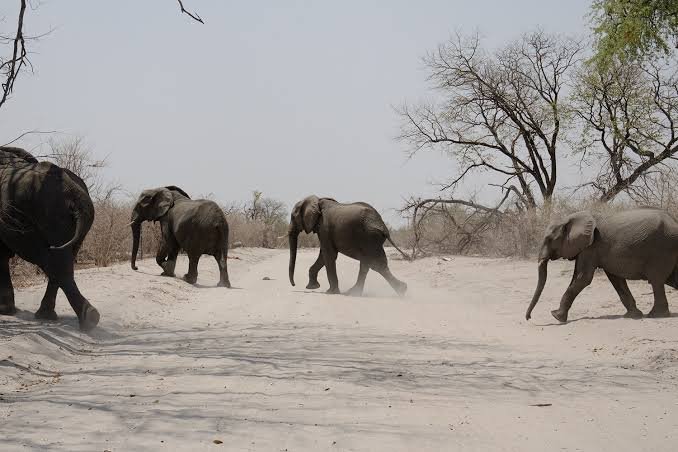
Botswana is home to more than 130,000 elephants, giving it the largest elephant population in the world, according to reports.
The large population has, however, created difficult challenges for communities living close to wildlife areas. Residents in some rural locations have complained about elephants damaging crops and property, while encounters between people and the animals have occasionally resulted in deaths.
Botswana’s authorities have long defended regulated hunting as one of the tools available for managing wildlife numbers and reducing human-elephant conflict. Supporters of the policy argue that communities living alongside large animal populations should have a role in deciding how wildlife resources are managed.
The country’s approach has nevertheless remained controversial among conservation groups, which have questioned whether killing elephants is an appropriate long-term answer to human-wildlife conflict.
Conservation concerns
The Elephant Protection Society has argued that the latest decision could have consequences beyond the 23 animals covered by the licence.
Conservationists are concerned that publicly sanctioned elephant killings, particularly when linked to a national celebration, could undermine wider efforts to encourage protection of the species. They have also warned that the practice could contribute to attitudes that make illegal poaching more difficult to combat.
The debate highlights a broader challenge facing Botswana: how to balance the protection of one of Africa’s most iconic wildlife species with the needs of communities that live in areas populated by elephants.
For rural residents, encounters with elephants can have serious economic consequences when crops are destroyed or property is damaged. For conservation organisations, however, the country’s substantial elephant population remains an important wildlife asset requiring careful management.
Health concerns also emerge
The elephant-meat controversy comes as Botswana is dealing with concerns surrounding an outbreak of foot-and-mouth disease.
Some social media users reportedly questioned whether the distribution and consumption of meat from hunted wildlife could raise additional health concerns during the outbreak. Africanews reported that local officials have called for the meat to be handled and distributed safely.
The concerns have added another dimension to a debate that was already focused on conservation and animal welfare.
Botswana’s independence celebrations were organised around the country’s 60th anniversary, with the government promoting nationwide festivities under the theme “Building Resilience, Driving Prosperity.” Official information shows that Botswana Day fell on September 30, with October 1 designated as a public holiday.
While the celebrations were intended to mark an important national milestone, the decision to authorise elephant hunting has ensured that wildlife management remains a major part of the conversation surrounding the anniversary.
The controversy reflects a longstanding divide over Botswana’s wildlife policies: conservation groups emphasise stronger protection for elephants, while supporters of regulated hunting point to human-wildlife conflict and the needs of communities living alongside the animals.
For now, the government has not publicly confirmed how many of the 23 authorised elephants were ultimately killed, leaving the full scale of the operation unclear.