Zambia is preparing to sign a revised five-year health agreement with the United States after the two countries resolved a major dispute over the sharing of medical data and biological specimens.
Zambian Health Minister Roma Chilengi said the updated agreement no longer contains provisions requiring Lusaka to hand over patient health information or biological samples to the US government.
The development clears a major obstacle that had delayed the agreement for months and brings Zambia closer to securing significant American support for its health sector.
The five-year arrangement is valued at about $3.6 billion when funding from both countries is combined. The United States is expected to contribute approximately $1.5 billion during the five-year period, according to the Zambian government.
Zambia Removes Controversial Data Provisions
The dispute over health data became one of the biggest sticking points in negotiations between Lusaka and Washington.
Earlier versions of the proposed agreement contained provisions concerning the sharing of health information and biological specimens collected through Zambia’s disease surveillance system. Zambian officials raised concerns that such requirements could compromise the country’s control over sensitive medical information and biological resources.
After several rounds of discussions, Zambia secured changes to the agreement.
Chilengi said the final version contains no requirement for Zambia to send biological specimens outside the country. Clauses requiring the sharing of individual patient information were also removed.
The minister described the changes as a significant improvement to the original proposal and said Zambia was now satisfied with the terms.
US to Provide $1.5 Billion Over Five Years
Under the revised arrangement, Washington will provide about $1.5 billion to support Zambia’s health system over five years.
The funding is expected to be released through annual allocations, with the American contribution gradually declining during the life of the agreement.
The approach is consistent with the United States’ wider effort to redesign its overseas health assistance programmes by encouraging recipient countries to increase their own domestic spending.
Zambia is therefore expected to contribute more of its own resources to healthcare as American funding gradually reduces.
Zambian officials have said the aim is to ensure that programmes supported through external assistance can eventually be sustained by the country’s own health system.
Health Programmes Expected to Benefit
The agreement is expected to support several critical areas of Zambia’s healthcare system.
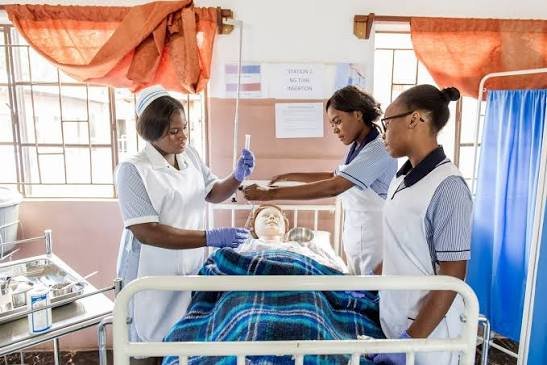
These include HIV prevention and treatment, tuberculosis and malaria control, maternal and child health, disease surveillance and broader health-system development.
The original framework also included plans to strengthen community health services and integrate community health workers more firmly into Zambia’s national healthcare structure.
The partnership is intended to help Zambia improve its capacity to respond to infectious disease outbreaks while maintaining access to essential medical services.
For a country where HIV, malaria and tuberculosis remain important public health challenges, continued international financing is particularly significant.
The new arrangement is also expected to support efforts to strengthen Zambia’s healthcare infrastructure and improve the country’s ability to respond to future health emergencies.
Deal Comes After Months of Disagreement
The agreement follows a lengthy period of disagreement between Lusaka and Washington.
Zambia had previously delayed the signing of the proposed health pact because officials were uncomfortable with several provisions contained in the original document.
Concerns included health-data access, specimen sharing, intellectual property and the distribution of benefits arising from research involving biological materials.
There were also broader disagreements surrounding US interests in Zambia’s critical-minerals sector.
Zambian officials had insisted that healthcare assistance should not be tied to separate negotiations concerning the country’s strategically important copper and mineral resources.
The government has maintained that its position was intended to protect Zambia’s interests while preserving its relationship with the United States.
By September, officials indicated that the disputed connection between the health agreement and mineral negotiations had been removed, paving the way for a revised deal.
Broader Change in US Health Assistance
The Zambia agreement is part of a wider transformation in how Washington provides health assistance to African countries.
The Trump administration’s “America First” global health strategy has moved away from the previous aid model and towards direct bilateral agreements with individual governments.
Under the new approach, African countries receiving US health support are expected to increase domestic investment in their own health systems while Washington gradually reduces its financial contribution.
The strategy followed the dismantling of the US Agency for International Development, which had played a major role in delivering American development and humanitarian assistance around the world.
The new model has generated controversy in several African countries, particularly over demands for access to health information and biological materials.
Some governments and rights organisations have argued that the terms could raise concerns about privacy, sovereignty and control over valuable medical data.
Zambia’s decision to negotiate the removal of those provisions illustrates the willingness of some African governments to seek changes rather than accept the original terms.
Zambia Seeks Greater Health Independence
Although the United States remains an important health partner, Zambian officials have repeatedly stressed the importance of gradually reducing dependence on external assistance.
The revised agreement therefore places greater responsibility on the Zambian government to increase domestic healthcare financing.
The country’s health expenditure is expected to rise during the five-year period, helping to compensate for the gradual reduction in US support.
The objective is to ensure that important programmes do not collapse when foreign assistance eventually declines.
For Zambia, the agreement could provide valuable financial support while also giving the government an opportunity to strengthen its own health institutions and workforce.
What Happens Next?
With the major disagreements apparently resolved, Zambia and the United States are expected to formally sign the revised agreement.
The final pact will provide a framework for cooperation over the next five years, covering key areas of public health and healthcare-system development.
For Lusaka, the removal of the controversial data and specimen-sharing requirements represents an important negotiating victory.
For Washington, the agreement maintains Zambia as a key partner in efforts to combat infectious diseases and strengthen health security in Africa.
The outcome also demonstrates how the new US approach to foreign health assistance is being negotiated across the continent.
While the financial support remains significant, Zambia’s experience shows that African governments are increasingly demanding greater control over their health information, biological resources and national development priorities.
With the revised terms now agreed, attention will shift towards implementation and whether the partnership can deliver lasting improvements to Zambia’s healthcare system while helping the country become less dependent on foreign health assistance.