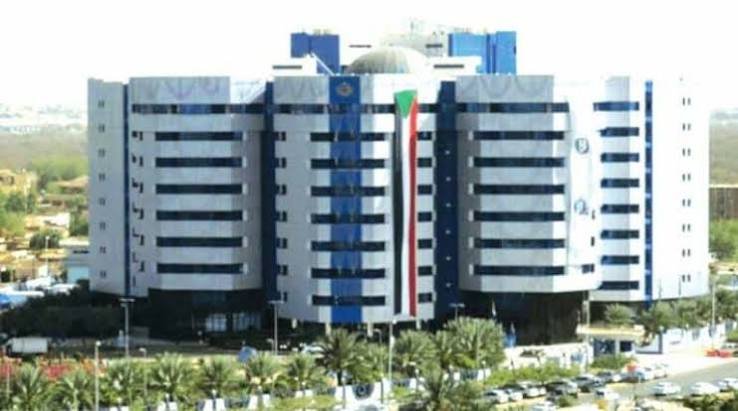
Sudan’s central bank is preparing to establish a dedicated financing fund to support the importation of essential goods as the country struggles with worsening shortages, rising living costs and disruptions caused by the ongoing war.
The Central Bank of Sudan announced the proposed initiative on Sunday, November 1, 2026, saying it would work with commercial banks to develop a financing arrangement aimed at improving the availability of strategic commodities and stabilising domestic markets.
The plan comes as residents in Khartoum and several other parts of the country face growing difficulties accessing basic necessities, including fuel, bread and transportation services.
The initiative is expected to strengthen the banking sector’s involvement in financing imports and help improve the movement of essential goods through disrupted supply chains.
Central Bank Begins Discussions on Import Financing
Central Bank Governor Amna Mirghani Hassan El-Tom chaired an expanded meeting on Sunday to examine the arrangements required to establish the proposed fund.
According to the bank, discussions covered the commodities that would qualify for financing, the institutions expected to participate and the different funding options available.
Officials also considered the technical and organisational requirements needed to make the initiative operational.
The central bank said greater participation from commercial banks would help mobilise financial resources for strategic imports and support efforts to improve economic stability.
However, the bank did not disclose the proposed fund’s total value, the amount of money expected from participating financial institutions or a specific date for its launch.
The initiative therefore remains at the planning and consultation stage, with further details expected as the financing framework develops.
Fuel and Bread Shortages Deepen Sudan’s Economic Difficulties
The proposed fund comes against the backdrop of a severe economic crisis worsened by Sudan’s ongoing conflict between the Sudanese Armed Forces and the paramilitary Rapid Support Forces (RSF).
The fighting has disrupted commercial activities, damaged infrastructure and affected the movement of goods across the country.
Khartoum and several other states have experienced shortages of essential commodities, particularly fuel and bread. Transport difficulties have also made it harder for residents and businesses to obtain supplies.
These challenges have contributed to the rising cost of living, placing additional pressure on households already struggling with the effects of the war.
Fuel shortages are especially damaging because transportation, electricity generation and several commercial activities depend on reliable energy supplies.
For ordinary Sudanese families, disruptions to fuel distribution and food availability can translate into higher prices, longer journeys and reduced access to basic services.
The central bank’s proposed financing arrangement is intended to address part of this problem by supporting the importation of goods considered essential to the domestic economy.
Sudan Plans to Establish Supreme Council for Exports
Alongside the proposed import financing fund, the Central Bank of Sudan has introduced another initiative aimed at strengthening the country’s export sector.
The institution proposed establishing a Supreme Council for Exports to coordinate activities across the country’s export value chain.
The proposed council would bring together different areas of economic activity, including production, financing, transportation, customs procedures and international marketing.
Its broader objective would be to improve the management of Sudanese exports and increase the revenue generated from overseas markets.
The central bank believes a more coordinated export system could help the country maximise its foreign exchange earnings.
Foreign currency is particularly important for Sudan because it is needed to finance imports, support international transactions and strengthen the country’s financial position.
The proposed council could therefore complement the strategic imports fund by addressing both sides of the country’s international trade: securing essential goods from abroad and generating more revenue through exports.
However, the central bank has not provided a detailed implementation timetable for the proposed council.
Banking Sector Reforms Form Part of Post-War Recovery Plans
The central bank is also considering reforms intended to strengthen financial institutions and prepare the banking industry for Sudan’s eventual post-war recovery.
Governor El-Tom chaired a separate meeting with representatives of bank owners to discuss the development of the financial sector.
The discussions included banking governance, capital requirements, legislative frameworks and the need to improve the overall resilience of financial institutions.
First Deputy Governor Al-Mutasim Abdullah Ahmed and Deputy Governor Sami Abdelhafeez Saleh also attended the meeting.
Officials stressed the importance of balancing banking reforms with financial stability so that commercial banks can continue operating despite the difficult economic environment.
A functioning banking system will be important for Sudan’s recovery because businesses require access to financial services to restart operations, pay employees, finance imports and invest in production.
Banks will also have a significant role in supporting reconstruction once conditions allow wider economic activity to resume.
The central bank’s discussions suggest that authorities are considering measures that go beyond immediate shortages and are also looking at the financial structures needed for longer-term recovery.
Can the New Fund Help Stabilise Sudan’s Economy?
The proposed strategic imports fund could provide additional support for businesses and financial institutions involved in bringing essential commodities into Sudan.
If properly implemented, it could help improve access to financing, strengthen supply chains and reduce some of the difficulties associated with importing goods.
However, the initiative faces considerable challenges.
The ongoing war has damaged economic infrastructure, disrupted transportation networks and weakened the country’s ability to conduct normal commercial activities.
Foreign currency constraints and uncertainty surrounding financial operations could also complicate efforts to finance large-scale imports.
Furthermore, the fund’s effectiveness will depend on how much money becomes available, which commodities receive priority and how efficiently participating banks distribute financing.
There is also the question of whether improved access to import financing will translate into lower prices for consumers.
Without reliable transportation, functioning distribution networks and stable market conditions, additional financing alone may not be enough to resolve shortages.
Sudan Looks Beyond Immediate Crisis Towards Economic Recovery
The Central Bank of Sudan’s latest proposals highlight the difficult balance facing the country’s financial authorities.
On one hand, they must respond to immediate problems involving food, fuel and other essential supplies. On the other, they need to prepare the financial system for reconstruction and renewed economic activity after the war.
The proposed strategic imports fund and Supreme Council for Exports represent attempts to address these challenges through stronger financial coordination and improved trade management.
For Sudanese households and businesses, the most important question will be whether these plans can eventually improve access to essential goods and ease the pressure of rising living costs.
Although neither initiative has yet been fully implemented, both indicate that the central bank is exploring additional ways to support economic stability during one of the country’s most difficult periods.