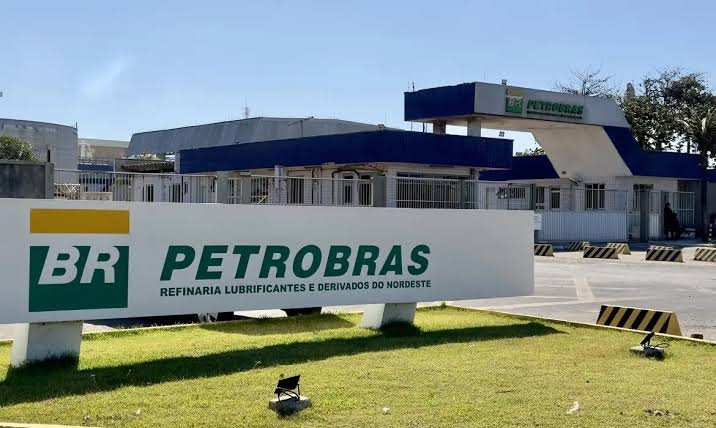
Brazil’s state-owned energy company, Petrobras, has announced another oil discovery in ultra-deep waters off the coast of Amapá, adding to growing exploration activity along the country’s Equatorial Margin.
The latest find was made in the Morpho exploration well, located in block FZA-M-59 in the Foz do Amazonas Basin. Petrobras said the discovery involved another oil-bearing interval identified deeper within the same well where hydrocarbons had previously been found.
The well is situated in waters approximately 2,886 metres deep, highlighting the technical challenges involved in exploring the region.
Petrobras identified the new oil-bearing section through a combination of electrical well logs, geological indications from rock samples and fluid samples collected during drilling operations. The company said laboratory work will now be required to further analyse the newly discovered material.
Second discovery in the same well
The announcement comes several weeks after Petrobras reported its first hydrocarbon discovery in the Morpho well in August.
Following that earlier discovery, drilling continued to investigate deeper geological formations. The additional drilling has now resulted in the identification of another oil-bearing interval, providing Petrobras with more information about the petroleum systems beneath the area.
The company said the latest discovery will contribute to its assessment of the resource potential of the Foz do Amazonas Sedimentary Basin.
Petrobras has previously described the oil identified during the August discovery as being of good quality. However, the company has not yet established the commercial size of the latest find, with further technical analysis still required.
Equatorial Margin attracts attention
The discovery is part of Petrobras’ broader exploration programme in Brazil’s Equatorial Margin, an offshore region that the company regards as an important new frontier for oil and gas exploration.
The area has attracted significant attention because of geological similarities with offshore regions of Guyana, where major oil discoveries have transformed the country’s petroleum industry.
Petrobras has been looking to determine whether similar geological potential exists along Brazil’s northern coastline.
Reuters reported that the company plans to drill three additional wells in the region from January, with the objective of gathering more information and determining whether commercial oil production could eventually be viable.
Drilling remains exploratory
Despite the latest discovery, Petrobras has not indicated that commercial production will begin immediately.
The Morpho operation remains an exploratory project, meaning the company must complete drilling, analyse geological data and evaluate the size and characteristics of the oil-bearing formations before decisions can be made about potential development.
Petrobras CEO Magda Chambriard said drilling on the current well was expected to be completed by the end of October.
The results from the well are therefore expected to provide important information for determining the wider petroleum potential of the block.
Environmental concerns remain
Oil exploration off Brazil’s northern coast has also generated environmental debate because of the area’s proximity to the Amazon region.
Brazil’s environmental regulator, Ibama, granted Petrobras permission to drill in the Equatorial Margin after a lengthy licensing process. The company has maintained that its exploration operations are being carried out under environmental safeguards.
The issue has nevertheless remained controversial, with environmental groups raising concerns about the possible effects of oil exploration in a sensitive marine and Amazonian ecosystem. Reuters has previously reported opposition to expanded drilling in the region.
For Petrobras, however, the new discovery provides another data point in its effort to evaluate a potentially important oil-producing frontier.
Further drilling and technical studies will determine whether the discoveries can eventually translate into commercially viable production.
For now, the Morpho well represents another significant step in Brazil’s attempt to establish the petroleum potential of the Equatorial Margin while balancing energy-development ambitions with environmental considerations.