Nigeria’s Senate Leader, Opeyemi Bamidele, says four State Houses of Assembly still have until November 17 to submit their positions on the proposed constitutional amendment that would allow states to establish their own police services.
Bamidele said 32 of Nigeria’s 36 state assemblies had approved the State Police (Constitution Alteration) Bill, 2026. He described the four outstanding reports as the next item for the National Assembly when it resumes, while saying lawmakers should continue with the amendment process whether or not the remaining states respond.
The four states were not identified in the report on Bamidele’s statement. Earlier reporting named six states that had yet to transmit their resolutions, but that was before the latest update showing 32 approvals. The number of outstanding states has since fallen to four; it would be misleading to treat the earlier six-state list as current without confirmation of which assemblies have since acted.
The bill is part of a proposed alteration to Nigeria’s 1999 Constitution. Section 9(2) requires approval from at least two-thirds of the State Houses of Assembly—24 of the 36 states—for a constitutional amendment to advance. With 32 assemblies reported to have approved it, the proposal has surpassed that threshold.
That does not mean state police services have already been created. The proposal still has to pass through the remaining constitutional and legislative steps, including presidential assent. The National Assembly must complete its handling of the amendment and transmit it for the next stage. Even if the constitutional change takes effect, additional laws and practical arrangements would be needed before individual states could set up and operate police services.
Bamidele’s latest update follows earlier extensions for state assemblies to communicate their decisions. On November 4, the Senate gave six states until November 15 to report their positions after it was told that 30 assemblies had approved the bill. The new statement reflects subsequent progress, with approvals rising to 32 and four reports still expected ahead of the National Assembly’s November 17 resumption.
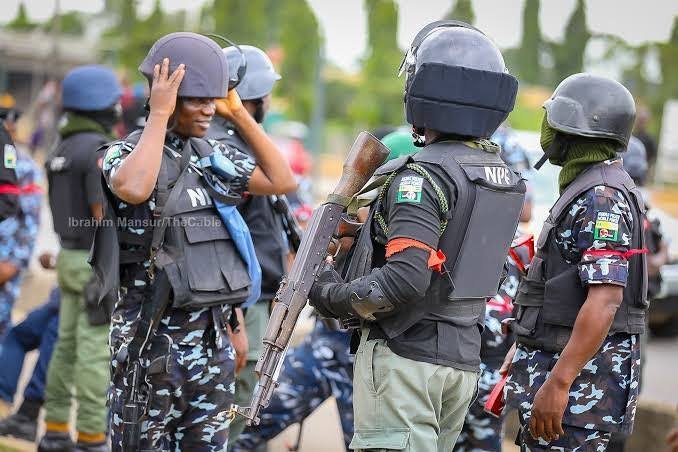
The proposed reform would change Nigeria’s policing structure, which is currently centred on the federal Nigeria Police Force. Supporters argue that state-level services could improve responses to local security challenges and give communities policing that is more responsive to conditions on the ground. The proposal has been presented as a way to decentralise policing while retaining a federal role.
The change also raises questions about oversight and the risk of political interference. A state police framework would need clear rules on command, funding, accountability and how state services coordinate with federal police. Analysts have noted that constitutional approval provides a legal basis for the reform but does not, on its own, settle how state police would work in practice.
The Senate’s deadline is therefore focused on completing the record of state-level decisions as lawmakers return. The four outstanding assemblies may still submit their reports, but their responses are not required to reach the two-thirds threshold if the tally of 32 approvals is confirmed. The process will now depend on the National Assembly’s next steps and the remaining constitutional requirements.
The state police proposal has been debated for years as Nigeria confronts insecurity in different regions. The current amendment effort has progressed through the National Assembly and the state legislatures, and the latest tally indicates broad approval among state lawmakers. Still, the proposed services will not become operational simply because the amendment has reached the required state threshold.
Bamidele’s statement places November 17 as an administrative milestone: the day the National Assembly reconvenes and the four outstanding state reports are expected. It does not itself establish state police or announce when any state would begin recruiting officers. Those decisions will depend on the final legal framework and subsequent implementation by federal and state authorities.