Niger is stepping up efforts to revive its uranium industry while seeking fresh international investment, as the government moves to secure a larger share of the country’s strategic mineral resources.
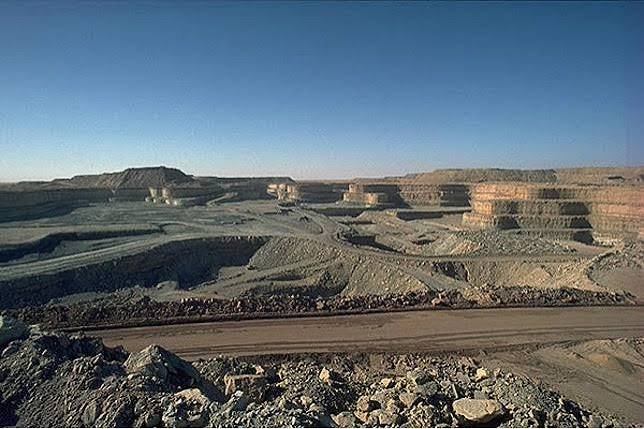
The latest development follows a new agreement concerning the Madaouela uranium project in northern Niger, under which the Nigerien government has increased its ownership stake to 40 percent. Australian company Atomic Eagle will retain the remaining 60 percent and continue to oversee the project’s operations.
The agreement represents a new phase for Madaouela after a prolonged dispute between Niger and the company previously associated with the project. The mining permit was withdrawn in 2024, triggering an international arbitration process.
However, negotiations eventually produced a settlement that allows the project to move forward under a new ownership structure. The agreement is expected to end the legal dispute while creating a framework for renewed development of the uranium mine.
Niger wants greater benefits from uranium
Niger’s government has increasingly sought to change how its mineral wealth is managed, arguing that a larger portion of revenues generated from mining should remain within the country.
The uranium sector has become particularly important in this strategy because Niger has long been a significant uranium-producing country. Under the new approach, authorities are looking to strengthen state participation while also broadening the range of international companies and financial institutions involved in the sector.
The government’s increased stake in Madaouela is therefore being viewed as part of a wider effort to obtain greater economic returns from natural resources.
At the same time, officials recognise that developing large-scale mining operations requires substantial foreign financing, technology and technical expertise.
Atomic Eagle seeks financing
Atomic Eagle has indicated that it intends to move ahead with preparations for the Madaouela project and attract the funding required for construction.
The company is targeting construction readiness in roughly two years, although achieving that goal will depend on securing the necessary financing and completing the required preparations.
The project is also expected to provide employment opportunities and increase participation by Nigerien businesses in the mining supply chain. Earlier reports indicated that the revived project could generate about 1,000 jobs, with authorities placing emphasis on local companies and skills development.
The government hopes such local participation will allow the mining industry to contribute more directly to the wider Nigerien economy rather than operating primarily as an export-oriented sector.
Foreign financing remains important
Despite its push for greater control, Niger continues to require international capital to develop major uranium deposits.
A separate uranium project in the country has already attracted significant potential financing. The United States International Development Finance Corporation agreed to provide financing of up to $414.2 million for the Dasa uranium project, which is being developed by Global Atomic.
The development highlights the balance Niger is attempting to achieve: increasing national ownership of strategic resources while keeping the sector open to foreign investors capable of providing the money and expertise needed for large mining projects.
A changing relationship with international partners
Niger’s approach to uranium also reflects broader changes in its economic relationships following the 2023 military takeover.
Relations with some traditional Western partners have deteriorated, while the government has sought to diversify its international partnerships and negotiate mining agreements on terms it considers more favourable to the country.
Economist Issoufou Boubacar Kado, however, cautioned against describing the changes as complete economic sovereignty. He argued that the developments demonstrate greater control over raw materials and the ability to choose international partners, rather than full independence from foreign investment and expertise.
For Niger, the uranium industry now presents a significant test of its new mining strategy. The government wants greater control and a larger share of mineral revenues, but it must simultaneously convince international investors that the country remains an attractive destination for long-term mining projects.
The Madaouela agreement could therefore become an important example of how Niger intends to balance state participation with private investment as it seeks to rebuild and expand its uranium sector.