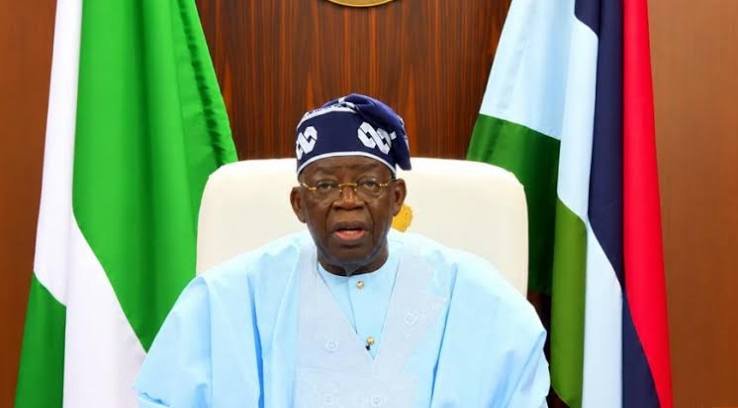
President Bola Ahmed Tinubu has used Nigeria’s 66th Independence anniversary address to outline what he described as the country’s transition from a difficult period of economic adjustment towards an era focused on broader prosperity.
In his nationwide broadcast on Thursday, October 1, 2026, Tinubu acknowledged the hardship associated with the economic changes introduced by his administration but argued that the measures were intended to address longstanding weaknesses in the economy.
The President said the next phase would focus more directly on lowering living costs, expanding employment opportunities, reducing poverty and improving productivity.
Here are 10 major points from the address.
1. Nigeria has moved beyond the toughest reform period
Tinubu said Nigeria had gone through a difficult period of economic adjustment and had now reached a point where the government could concentrate on achieving broader prosperity.
Using the expression that Nigeria had “passed through our own Red Sea”, he urged citizens to look ahead rather than return to policies that his administration believes contributed to the country’s previous economic difficulties.
He described the new phase as an “age of prosperity”, following what he characterised as an earlier “age of reform.”
2. Tinubu defended the economic reforms
The President strongly defended policies introduced since he assumed office, particularly the removal of the petrol subsidy and changes to the foreign-exchange system.
He argued that the reforms did not create Nigeria’s structural economic problems but were implemented to address weaknesses that had accumulated over time.
Tinubu compared the situation to a patient requiring difficult treatment for a serious illness, saying previous approaches had often focused on easing immediate pain rather than addressing underlying problems.
3. Government says economic indicators are improving
Tinubu cited several economic indicators that he said showed signs of improvement.
According to the President, Nigeria’s economy grew by more than four per cent in 2026, with contributions from both the oil and non-oil sectors.
He also pointed to declining inflation from its previous peak, stronger foreign reserves, greater stability in the foreign-exchange market and a reduction in oil theft.
Tinubu further said the country generated more than $6 billion in non-oil export revenue in 2025, which he described as a record.
4. Lowering the cost of living is now a priority
The President identified the cost of living as one of the central issues his government wants to address during the next phase.
He said the strategy would involve reducing the expense of producing and transporting goods rather than relying solely on measures that provide temporary relief.
Tinubu highlighted investments in mechanised agriculture, irrigation, seeds, fertiliser, storage and transportation.
He also pointed to roads, railways and ports as infrastructure that can help connect farms and factories to consumers and markets.
5. Youth employment and industrial production
Tinubu said Nigeria’s large youthful population should be treated as an economic asset.
His administration, he said, would focus on creating productive jobs, expanding businesses and encouraging industrial activity.
The President mentioned the use of Nigeria’s gas resources to support industries, efforts to revive factories, wider digital connectivity and skills development as areas of focus.
He also expressed the ambition of seeing Nigerian companies compete internationally while creating employment opportunities domestically.
6. More support for poor and vulnerable Nigerians
The President acknowledged that many households continue to struggle with expenses such as food, school fees, healthcare and transportation.
He said the government was strengthening social protection programmes and updating the National Social Register to improve the identification of people who require assistance.
Tinubu also highlighted direct support initiatives and other interventions intended to provide a bridge for vulnerable households while the wider economy develops.
7. Education and consumer finance
Tinubu highlighted the Nigerian Education Loan Fund (NELFUND) as part of his administration’s efforts to widen access to higher education.
He also pointed to the Nigerian Consumer Credit Corporation (CREDICORP), which he said was designed to help working Nigerians access financing for items such as vehicles, solar systems and digital devices.
The President presented both initiatives as mechanisms for expanding opportunities and reducing some of the financial barriers faced by Nigerians.
8. Healthcare, education and pension support
The administration also intends to continue working with state and local governments on essential public services, including primary healthcare and basic education.
Tinubu said salaries and pensions had been paid on time and in full since 2023 and referred to reforms in the national pension system.
He presented these measures as part of a broader effort to provide support while creating conditions for greater economic opportunity.
9. Security and protection of national resources
Security featured among the issues raised by the President.
Tinubu cited the reported reduction in oil theft and commended the armed forces and other security agencies for their efforts to protect the country’s resources and maintain security.
The government has continued to identify the protection of oil infrastructure and national resources as important to improving production and strengthening government revenue.
10. Tinubu calls for patience and a forward-looking approach
The President ended his address by urging Nigerians to remain focused on the future and maintain confidence in the country’s potential.
He argued that the sacrifices associated with the reform period should ultimately create the foundation for a more productive economy.
Tinubu said prosperity should mean more than stronger economic statistics. In his description, it should translate into affordable food and transportation, reliable power for businesses, employment for young people, accessible education and greater economic opportunities for families.
As Nigeria marked 66 years of independence, the address therefore centred on the government’s claim that the country has moved beyond the most difficult stage of economic restructuring and is entering a phase where the emphasis should be on translating reforms into tangible improvements in living standards.
The extent to which those objectives are achieved will depend on the implementation of the policies and programmes outlined by the administration, as well as developments in the wider Nigerian economy.