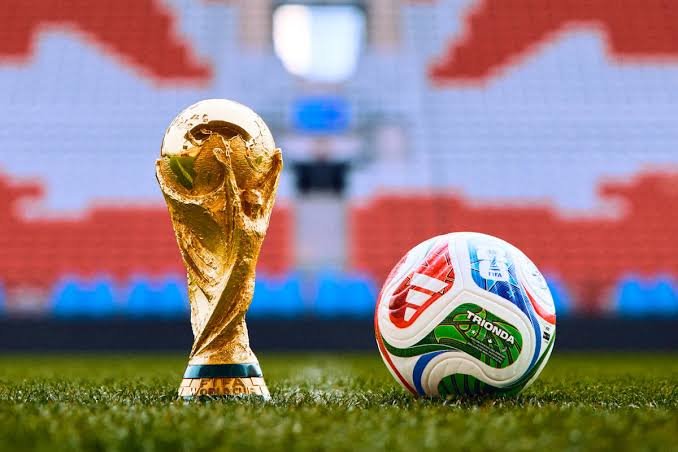
Morocco and Qatar are seeking to deepen their security and intelligence cooperation as preparations continue for the 2030 FIFA World Cup, which Morocco will co-host with Spain and Portugal.
The two countries discussed ways to improve intelligence sharing, strengthen joint security operations and tackle emerging criminal threats during a high-level meeting in Rabat on November 3, 2026.
Morocco’s Director General of National Security and Territorial Surveillance, Abdellatif Hammouchi, received Khalfan bin Ali bin Khalfan Al Kaabi, head of Qatar’s State Security Agency, at the headquarters of the General Directorate of National Security (DGSN).
Senior security officials from both countries attended the meeting, which focused on expanding their existing partnership and identifying additional areas for cooperation.
A major subject was Qatar’s willingness to share lessons from its experience hosting the 2022 FIFA World Cup, particularly in managing security arrangements for major international sporting events.
Qatar Offers Support for Morocco’s World Cup Preparations
Qatar expressed its readiness to provide technical expertise and assistance to Moroccan security authorities as the North African country prepares for the 2030 tournament.
The Gulf country successfully hosted the 2022 FIFA World Cup, an event that required extensive security planning, coordination between government agencies and cooperation with international partners.
Morocco could draw on Qatar’s experience in areas such as stadium security, crowd management, intelligence coordination and responding to potential security threats during large sporting gatherings.
The Qatari delegation indicated that it was prepared to make the necessary support available to Moroccan security services to contribute to the successful organisation of the competition.
The offer comes as Morocco continues to develop its infrastructure and strengthen institutional arrangements ahead of the tournament. Its partnership with Qatar could provide an additional channel for exchanging knowledge and improving operational preparedness.
The 2030 World Cup will be jointly hosted by Morocco, Spain and Portugal, making cooperation between different national authorities an important part of the tournament’s security planning.
Intelligence Sharing and Counterterrorism Cooperation
Beyond football preparations, the discussions focused on strengthening intelligence cooperation, particularly in the fight against terrorism.
Hammouchi and Al Kaabi welcomed the existing relationship between their respective security institutions and highlighted the importance of maintaining regular communication and exchanging operational expertise.
Both sides agreed on the value of expanding cooperation through joint training programmes, professional exchanges and improved coordination in the field.
Counterterrorism remains a central area of collaboration as security agencies face threats that increasingly cross national borders.
The two countries also discussed ways to improve their ability to identify potential risks and respond to security incidents through coordinated action.
Their discussions reflect a wider effort to strengthen preventive security measures rather than relying exclusively on responses after threats have emerged.
Financial and Cybercrime Also on the Agenda
Another important issue raised during the meeting was the need to expand cooperation against organised crime.
The two delegations discussed financial offences and cybercrime, which have become increasingly important challenges for security institutions around the world.
Financial crime can involve complex networks operating across several jurisdictions, while cybercriminals often exploit digital platforms and international connections to target individuals, companies and public institutions.
The Moroccan and Qatari sides emphasised the importance of strengthening information exchange and developing professional capabilities to address these threats.
Joint training and the sharing of technical knowledge could help security agencies improve their investigative methods and respond more effectively to emerging forms of criminal activity.
The discussions also covered broader regional and international security developments, with both countries expressing concern about threats linked to terrorism, extremism and organised criminal networks operating in unstable environments.
Morocco Expands International Security Partnerships
The meeting forms part of Morocco’s wider efforts to strengthen its security relationships with friendly countries as it prepares for major international responsibilities.
The DGSN and the General Directorate for Territorial Surveillance (DGST), both headed by Hammouchi, have continued to pursue cooperation with foreign security institutions through intelligence exchanges, training and operational coordination.
The relationship with Qatar provides an opportunity to build on existing counterterrorism cooperation while extending collaboration into other areas, including major sporting events and cybercrime prevention.
For Morocco, the 2030 FIFA World Cup represents more than a sporting competition. Hosting matches alongside Spain and Portugal will require coordination across several countries, involving security agencies, transport authorities, emergency services and other institutions.
The experience of countries that have previously organised the tournament could therefore become an important resource as Morocco develops its own security arrangements.
2030 World Cup Preparations Gather Momentum
Morocco’s preparations for the 2030 World Cup are progressing across several areas, including stadium development, transport infrastructure and coordination with its co-hosting partners.
Security planning will be particularly important because the tournament is expected to attract supporters, teams, officials and international visitors from around the world.
The scale of the competition will require authorities to address stadium protection, crowd safety, transportation security and potential threats to public infrastructure.
Qatar’s willingness to share its World Cup experience offers Morocco another opportunity to strengthen its preparations through international cooperation.
However, the latest meeting did not announce a specific security contract or a detailed programme of assistance. Instead, both sides reaffirmed their willingness to deepen cooperation and exchange expertise.
As the 2030 tournament approaches, Morocco and Qatar are expected to continue building on their security relationship, with intelligence sharing, counterterrorism, cybercrime prevention and major-event preparedness remaining important areas of engagement.
The Rabat discussions underline the growing importance of international partnerships in addressing modern security challenges and preparing for sporting events of global significance.