A chessboard may seem an unlikely tool for changing behaviour behind prison walls, but Kenya is increasingly using the centuries-old strategy game as part of its efforts to rehabilitate inmates and prepare them for life after incarceration.
The initiative has expanded across the country’s correctional facilities, giving prisoners an opportunity to develop patience, concentration and decision-making skills while also creating a different form of interaction between inmates and prison officers.
Kenya’s Department for Correctional Services has supported chess programmes in prisons since at least 2022, with the initiative eventually reaching all 134 prisons in the country, according to The Gift of Chess, one of the organisations supporting the programme.
Chess Becomes Part of Prison Life
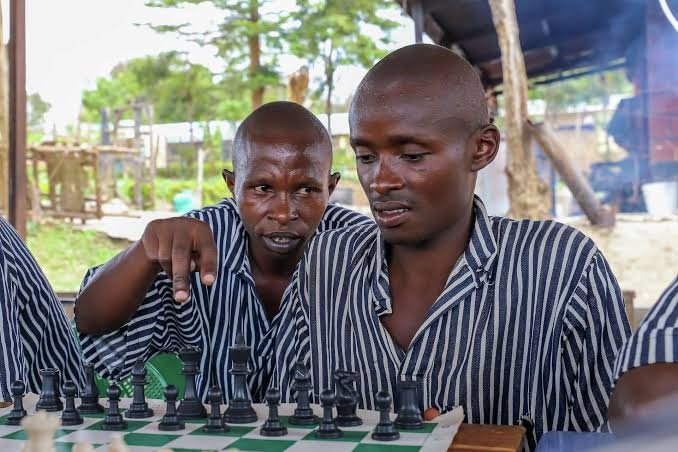
At Maranjau Prison in Murang’a County, chess has become a popular activity during inmates’ free periods.
The facility houses about 450 prisoners, and some inmates now choose to spend their breaks around chessboards rather than playing football or simply resting.
For prisoners, the attraction goes beyond competition. The game requires players to consider several possible moves before making a decision, creating an environment where patience and careful thinking are constantly tested.
Brian Gatonye, a 27-year-old inmate serving a three-year sentence for assault, is among those who have embraced the game.
He believes chess has encouraged him to slow down and consider the consequences of his decisions before acting.
That lesson is precisely what prison officials hope the programme can reinforce as inmates prepare to return to their communities.
Officials See Rehabilitation Benefits
Superintendent Humphrey Young, who oversees operations at Maranjau Prison, considers chess an important component of the facility’s rehabilitation programme.
According to Young, the game can help inmates strengthen their ability to analyse problems and think through challenges they may encounter after their release.
The philosophy behind the programme is straightforward: rather than simply keeping prisoners occupied, recreational activities can also be used to develop skills that could help them make better decisions outside prison.
Chess provides a structured environment where every move has consequences, requiring players to anticipate possible outcomes and adjust their strategies.
Prisoners and Guards Play Together
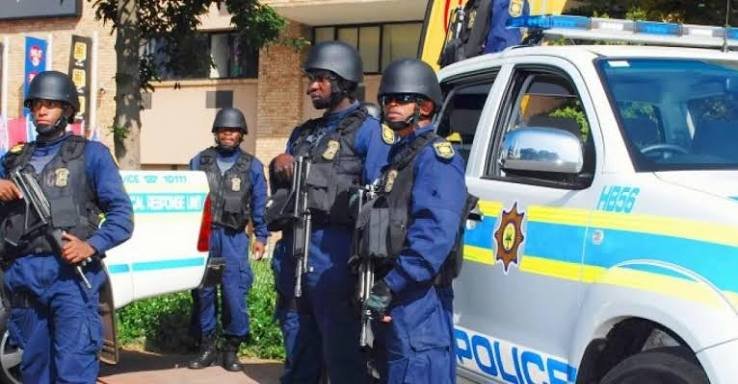
One of the unusual features of Kenya’s programme is that chess is also helping to change interactions between prisoners and correctional officers.
Some prison guards have been trained as chess coaches and participate in games with inmates.
At Maranjau, the chessboard provides an opportunity for prisoners and officers to meet in a less formal environment, creating room for communication and healthy competition.
Officials believe such interactions can contribute to a more positive prison environment while helping inmates develop social skills that could prove useful after their release.
Backed by Chess Organisations
The expansion of chess in Kenyan prisons has involved several organisations.
The country’s correctional authorities have worked with the International Chess Federation (FIDE), Chess Kenya and The Gift of Chess, a nonprofit organisation that provides chess equipment and supports programmes designed to make the game accessible in correctional facilities.
Kenya also took part in the Intercontinental Online Chess Championship for Prisoners for the first time in 2024.
Prison-to-prison competitions have also been organised inside Kenya, giving inmates opportunities to compete against players from other correctional facilities.
The international Chess for Freedom programme has continued to expand as well. FIDE says its 2026 Intercontinental Chess Championship for Prisoners is scheduled to bring together correctional institutions from different parts of the world, with the event focused on rehabilitation, education and international cooperation through chess.
More Than Just a Game
Supporters of the programme argue that chess can encourage qualities that are valuable during rehabilitation.
Players have to remain patient, control impulses, assess risks and accept the consequences of their decisions. The game also requires opponents to respect a common set of rules.
For inmates, the activity offers an additional benefit: it gives them something constructive to focus on during their time in prison.
Edwin Raj Walukaya, a 31-year-old inmate, described chess as a social activity that helps prisoners make friends and keep their minds occupied.
For others, the game provides a sense of calm during an otherwise restrictive period of their lives.
Gatonye hopes to continue playing after leaving prison, saying the game has given him a greater sense of peace and encouraged him to think before acting.
No Guarantee of Lower Reoffending Yet
Despite the enthusiasm surrounding Kenya’s prison chess initiative, there is an important limitation.
The programme has not been independently studied to determine whether it reduces reoffending or produces long-term behavioural changes.
That means claims about its effectiveness should be treated cautiously. While prisoners and officials report positive experiences, there is not yet enough evidence to establish whether playing chess directly leads to lower recidivism rates.
Still, supporters argue that the game can complement other rehabilitation measures, including vocational and agricultural programmes designed to give inmates practical skills for life after prison.
Kenya’s Unusual Rehabilitation Experiment
Kenya’s prison chess programme represents a different approach to correctional rehabilitation, combining recreation with mental training and social interaction.
What began in some prisons has developed into a nationwide initiative covering all 134 correctional facilities.
For inmates sitting across the board from fellow prisoners or guards, every match provides another opportunity to practise patience and strategic thinking.
Whether those lessons eventually translate into measurable reductions in reoffending remains to be seen. But for now, Kenya is demonstrating how an inexpensive and accessible game can become part of a broader effort to help prisoners prepare for a second chance outside prison walls.