Guinea-Bissau’s military authorities have removed a senior officer associated with former president Umaro Sissoco Embaló from his position at the presidential palace, marking another step in the junta’s efforts to reshape the country’s security and administrative leadership.
General Horta N’tam, who heads the military-led transition, dismissed Lieutenant-General Sadji Fati with immediate effect, according to a decree seen by Agence France-Presse (AFP) on Wednesday, October 14, 2026.
Fati previously served as defence minister and military adviser under Embaló. Before his dismissal, he was responsible for the civilian office of the presidency, placing him in a significant administrative position within the leadership structure.
The decision comes amid a wider series of personnel changes affecting officials and security officers considered close to the ousted president. Since taking power, the junta has increasingly moved to remove figures associated with Embaló’s former administration.
The latest dismissal highlights the continuing political uncertainty in Guinea-Bissau, where the military took control in November 2025 and suspended the electoral process.
Junta Continues to Remove Officials Linked to Embaló
Fati’s dismissal is the latest in a series of moves by Guinea-Bissau’s military leadership to remove individuals associated with the former president from positions of influence.
Since the junta took control, several people who served in Embaló’s government or were considered close to him have lost their positions.
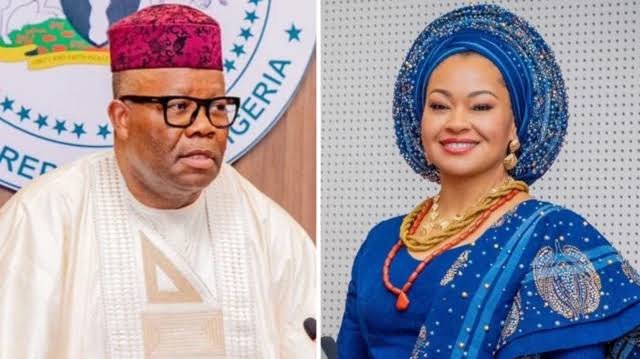
Among them are Interior Minister General Mama Saliu Embaló and Fisheries Minister Maria Da Cruz Correia, both of whom were recently dismissed.
The changes extend beyond the civilian administration. Members of the former president’s security circle and presidential guard have also faced removals from influential roles as the military authorities reorganise the security establishment.
Although the junta has not publicly explained every personnel decision in detail, the succession of dismissals points to a substantial restructuring of the state’s leadership.
Fati’s previous positions as defence minister and military adviser made him an important figure in Embaló’s administration. His subsequent role at the presidential palace placed him within the current government’s administrative structure, even after the former president was removed from office.
His departure further reduces the presence of officials associated with the previous administration in key government institutions.
Guinea-Bissau’s Military Took Power in November 2025
Guinea-Bissau has remained politically unsettled since military officers seized power on November 26, 2025.
The takeover occurred one day before provisional results from the country’s presidential and legislative elections were expected to be announced. The military suspended the electoral process and established a transitional administration.
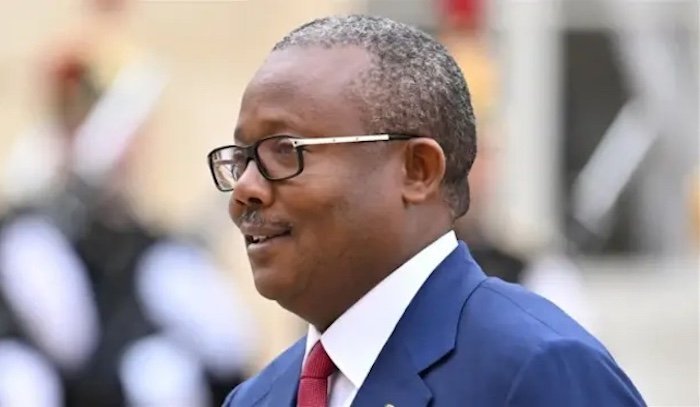
Embaló, who had governed the country since 2020, was subsequently removed from power and went into exile in Morocco.
The circumstances surrounding the takeover remain politically contentious. Some observers have questioned whether the former president may have had a role in the events, amid suspicions that he faced the prospect of losing the election. However, such suspicions should not be treated as established fact.
The military authorities have since taken steps to reorganise the government and consolidate control over the country’s security institutions.
The dismissal of officers and officials associated with Embaló has become one feature of this transition, raising questions about the future of the former president’s political network.
Embaló’s Return and Political Future Remain Uncertain
Despite being removed from office, Embaló has indicated that he intends to contest the next presidential election.
He previously told AFP that he planned to seek the presidency again, maintaining his interest in returning to political life.
However, the military leadership has blocked his return to Guinea-Bissau, citing security concerns and the need to maintain public order.
The decision has added another complication to an already uncertain political transition, particularly because Embaló’s supporters and the authorities have differing interests in the country’s future leadership.
The former president’s continued absence also leaves questions about whether he will be able to participate in the next election and under what conditions.
The removal of officials associated with him may further weaken his political network inside the country, although the ultimate impact on his political support remains unclear.
December Election Plans Face Further Uncertainty
Guinea-Bissau’s transitional authorities have set December 6, 2026, as the date for presidential and legislative elections intended to facilitate a return to civilian rule.
However, doubts remain over whether the vote can take place as scheduled.
The country’s National Electoral Commission said last week that the necessary conditions for holding the elections were not in place. The statement has raised questions about the timetable and the practical arrangements required to organise a credible vote.
The situation is particularly sensitive because the military takeover interrupted the previous electoral process, leaving the country without the expected transfer of power through that vote.
For the transition to regain public confidence, the authorities will face pressure to clarify the election timetable, establish the conditions for political participation and provide greater certainty about the process.
The latest dismissal does not, by itself, establish whether the election will be delayed. Nevertheless, it comes as the country continues to experience political and institutional changes ahead of the planned December polls.
What Fati’s Dismissal Means for Guinea-Bissau
The removal of Lieutenant-General Sadji Fati underscores the extent to which Guinea-Bissau’s military leadership is reshaping the institutions it inherited after the November 2025 takeover.
By dismissing officials associated with Embaló, the junta is changing the balance of influence within the presidential administration and security establishment.
The immediate implications for Fati and the former president’s political supporters remain uncertain. The decree announcing the dismissal did not provide a detailed explanation for the decision.
More broadly, Guinea-Bissau faces the challenge of moving from military rule towards a political arrangement that can secure public confidence and restore constitutional governance.
The December election timetable is central to that process, but the electoral commission’s concerns suggest that important obstacles remain.
For now, Fati’s removal is another significant development in the ongoing reorganisation of the state under General Horta N’tam, as the junta continues to distance the administration from people associated with the ousted president.