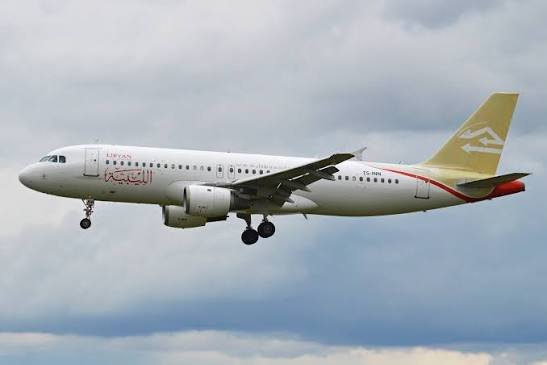
Libya has secured a major development for its aviation industry after the International Civil Aviation Organization (ICAO) lifted safety warnings that had affected the country’s airspace for more than a decade. The decision, effective from October 23, 2026, marks a step towards restoring international confidence in Libya’s aviation sector following years of political instability and conflict.
The move could help Libya attract more international airlines, increase the number of aircraft using its air corridors and generate additional revenue from air traffic. It also forms part of wider efforts by the country’s authorities to strengthen aviation safety and rebuild the sector’s international standing.
Libya Moves to Rebuild International Aviation Links
The Government of National Unity’s Ministry of Transport announced the development, describing it as an important milestone for Libya’s civil aviation industry.
The warnings, introduced in 2013 and 2015, had remained in place amid concerns about aviation safety and the country’s prolonged security challenges. Their removal follows efforts by Libyan authorities to improve aviation standards, strengthen security arrangements and develop infrastructure supporting air navigation.
Transport Minister Mohamed Al-Shahoubi said the decision reflected progress in the sector and cooperation between Libyan institutions and international aviation organisations.
For Libya, which has struggled to restore normal economic and transport activity after years of conflict, the development offers an opportunity to reconnect more effectively with international aviation networks.
Government Targets More International Airlines
Following the ICAO decision, Libyan authorities intend to promote the country’s airspace to international carriers and encourage airlines to consider new routes and transit arrangements.
The government also hopes to attract more direct international flights to Libya, potentially improving connections for passengers, businesses and tourists. Officials believe the country’s geographical position between Europe and Africa could make its air corridors more attractive to airlines seeking efficient routes between regions.
The Transport Ministry has also reported a sharp increase in applications from foreign airlines seeking permission to cross Libyan airspace. According to figures released by the ministry, permits for the 2026–2027 winter season are expected to reach 61,968 flights per month from November, compared with an average of around 2,000 monthly transit flights during the previous winter season.
If these figures translate into actual traffic, the increase could create a new source of income for Libya and strengthen the commercial importance of its airspace.
Years of Conflict Weakened Libya’s Aviation Sector
Libya’s aviation industry has faced serious challenges since the 2011 overthrow of longtime leader Muammar Gaddafi. Political divisions and renewed fighting in 2014 disrupted transport operations, while damage to aircraft and airport facilities further complicated efforts to restore services.
Tripoli International Airport was among the facilities affected by the conflict, with reports indicating that as many as 20 aircraft were damaged in 2014. International passenger connections have remained limited, with services largely linking Libya to regional destinations including Tunisia, Turkey, Egypt, Jordan, Saudi Arabia and Sudan.
The lifting of ICAO’s warnings therefore represents an opportunity for the country to strengthen its aviation infrastructure and rebuild relationships with international operators.
However, removing the warnings does not automatically mean that all challenges facing Libyan aviation have been resolved. Authorities say they will continue working with international bodies to address remaining restrictions affecting Libyan airlines.
Economic Opportunities and Remaining Challenges
Greater use of Libyan airspace could benefit the country beyond the aviation industry. Increased overflight traffic may generate additional fees and create opportunities for airport services, tourism, business travel and investment.
The planned campaign to attract foreign airlines will be important in determining whether the recent decision leads to sustained growth. Libya will also need to maintain aviation safety standards, improve operational capacity and provide airlines with the confidence required to use its air corridors regularly.
The ICAO decision is expected to be circulated among all 193 member states for implementation, according to Libya’s Ministry of Transport.
For Libya, the lifting of warnings marks a significant step towards renewed participation in international aviation. The longer-term impact will depend on the country’s ability to sustain safety improvements, attract airlines and address the restrictions that continue to affect its aviation sector.