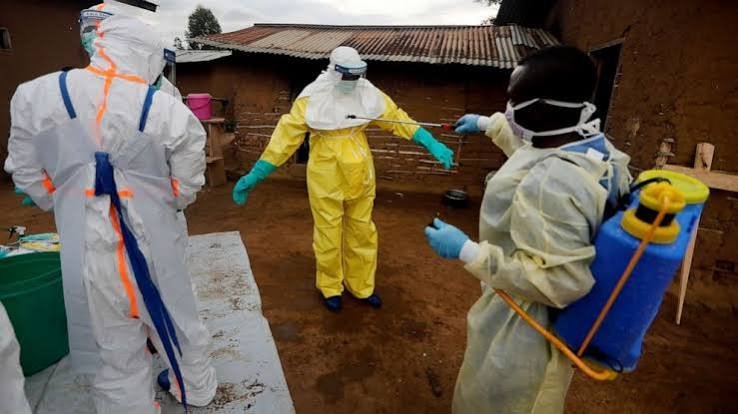
The Ebola outbreak in the Democratic Republic of Congo (DR Congo) is spreading into additional areas, raising concerns among health authorities as neighbouring Kenya confirms a fatal infection linked to the ongoing epidemic.
The outbreak, caused by the Bundibugyo strain of the Ebola virus, is putting increasing pressure on healthcare services in eastern DR Congo, where insecurity, limited treatment facilities and public mistrust are making containment more difficult.
The World Health Organization (WHO) reported that the disease had reached the Alimbongo health zone in North Kivu province, where four confirmed infections and two deaths had been recorded by October 6, 2026.
The outbreak has affected multiple provinces, with the WHO reporting confirmed cases across 64 health zones in seven provinces. Ituri province has recorded the highest cumulative number of infections, while North Kivu has emerged as an increasingly important centre of new transmissions.
The situation has also attracted regional attention following Kenya’s confirmation of its first imported case of Bundibugyo virus disease. The patient, a Kenyan citizen who had been living in DR Congo, died after travelling to Nairobi, prompting authorities to intensify contact tracing and public health monitoring.
These developments highlight the challenges facing countries in the region as they work to prevent further transmission across borders.
DR Congo Records Thousands of Ebola Cases and Deaths
The scale of the outbreak in DR Congo remains a major concern for health officials.
According to WHO figures reported on October 11, 8,728 confirmed cases and 4,205 confirmed deaths had been recorded in the country as of October 6. A further 2,269 patients had recovered, while the crude case fatality ratio stood at approximately 48.2 percent.
The growing number of infections has placed significant demands on hospitals, particularly in the eastern provinces, where medical teams are already operating under difficult conditions.
The outbreak’s expansion into North Kivu has raised additional concerns because the region faces persistent insecurity and population movements that can complicate the identification of infected people and the monitoring of those who have been exposed.
Health authorities are working to identify new cases, monitor contacts and improve access to treatment. However, the effectiveness of these efforts depends heavily on the availability of medical resources and cooperation from affected communities.
The Bundibugyo virus is a distinct species of Ebola virus. According to the WHO, there are currently no approved vaccines or specific treatments for the disease, making early diagnosis, supportive medical care and infection prevention essential parts of the response.
Kenya Confirms First Imported Ebola Infection
Kenya’s health authorities confirmed their first imported case of Bundibugyo Ebola virus disease on October 6, 2026, after a Kenyan citizen who had been living in DR Congo died in Nairobi.
According to Kenya’s Ministry of Health, the patient became ill while in DR Congo and received treatment at several medical facilities before travelling to Uganda by road. He subsequently boarded a flight to Nairobi, arriving on October 3.
After reaching Kenya, he was admitted to hospital, where medical teams isolated him and conducted tests that confirmed the infection. Despite receiving supportive treatment, he died on October 5, according to the WHO’s account of the case.
The case prompted Kenyan officials to begin tracing people who might have been exposed to the virus during the patient’s journey and after his arrival.
Authorities identified 28 contacts, including family members and healthcare workers. They also began tracing passengers and crew members who travelled on the same flight to Nairobi.
Public health teams have introduced additional surveillance and contact-tracing measures, while Uganda has also stepped up monitoring because the patient travelled through the country before reaching Kenya.
The imported infection has highlighted the importance of cooperation between neighbouring countries, particularly when people move between regions affected by an infectious disease outbreak.
Kenya’s Ministry of Health has emphasised that the confirmed case was imported from DR Congo. The identification of an imported infection does not, by itself, establish that sustained transmission is occurring within Kenya.
Suspected Second Case in Kenya Tests Negative
Concerns about the possibility of additional infections increased after a suspected Ebola case was investigated in Kenya’s Wajir County.
However, preliminary laboratory results reported on October 8 came back negative, easing immediate concerns about a second confirmed infection.
Health authorities continued monitoring the situation as part of broader efforts to detect possible cases early and prevent further transmission.
The investigation illustrates the importance of testing suspected infections rather than relying on symptoms alone to determine whether someone has Ebola.
Because the disease can initially resemble other illnesses, healthcare workers must assess patients’ symptoms, travel histories and potential exposure before reaching a diagnosis.
Authorities across the region are therefore relying on surveillance, laboratory testing and contact tracing to identify infections and respond quickly when necessary.
Healthcare Facilities in Eastern DR Congo Under Pressure
While neighbouring countries are strengthening their defences against imported infections, healthcare facilities in eastern DR Congo are struggling to accommodate the growing number of patients.
Doctors Without Borders, also known by its French initials MSF, has warned that treatment capacity in North Kivu is under severe pressure.
In an update published on October 5, the medical organisation reported that North Kivu accounted for nearly 40 percent of newly confirmed Ebola cases nationwide, compared with 24 percent at the end of August.
MSF also said that, as of September 28, approximately 34 percent of confirmed patients were receiving care in healthcare facilities that were not specifically equipped to manage Ebola.
The shortage of beds at specialised treatment centres has forced some patients to seek or receive care elsewhere, raising concerns about infection prevention and the safety of other patients and healthcare workers.
Ebola treatment requires strict infection-control procedures, appropriate protective equipment and carefully managed patient care.
Facilities that lack adequate resources or specialised training may struggle to meet these requirements, potentially increasing the risk of transmission.
The shortage of treatment capacity also creates difficulties for medical teams attempting to isolate infected people quickly and provide appropriate supportive care.
The situation underscores the need for additional medical supplies, trained personnel and suitable isolation facilities as the outbreak continues to spread.
Misinformation and Public Distrust Complicate Ebola Response
Beyond shortages of medical resources, health officials and community representatives are concerned about misinformation and a lack of trust among some residents.
In parts of North Kivu, including Beni and Butembo, rumours about Ebola and the work of response teams have reportedly discouraged some people from cooperating with health workers.
Community resistance can make it harder for authorities to identify suspected infections, trace people who have been exposed and encourage patients to seek medical attention promptly.
Residents who fear discrimination or distrust medical teams may delay reporting symptoms, potentially allowing the virus to spread before an infection is identified.
Community leaders have warned that these problems could undermine containment efforts if they are not addressed alongside the medical response.
Building trust requires clear communication, engagement with local leaders and accurate information about how the disease spreads and how infected patients are treated.
Health authorities must also explain the reasons behind isolation procedures and other public health measures so that affected communities understand their importance.
A successful response depends not only on medical expertise but also on the willingness of residents to cooperate with the people working to control the outbreak.
Contact Tracing Remains a Major Challenge.
Contact tracing is one of the most important tools available to health authorities attempting to contain the outbreak.
The process involves identifying people who may have been exposed to an infected person, monitoring them for symptoms and arranging prompt testing and medical assessment when necessary.
However, the WHO’s figures indicate that significant gaps remain in the follow-up of identified contacts.
As of October 4, response teams were monitoring 23,741 of the 29,535 identified contacts, representing approximately 80.4 percent. This was below the response target of at least 85 percent.
The shortfall raises concerns because people who have been exposed but are not adequately monitored may develop symptoms without being identified quickly.
Delays in identifying new infections can allow transmission chains to continue, particularly in densely populated communities where people have frequent contact with family members, neighbours and healthcare workers.
The Africa Centres for Disease Control and Prevention (Africa CDC) has called for stronger community-based measures, including active case detection, systematic contact tracing and regular monitoring of people who may have been exposed.
The organisation has also stressed the importance of involving local communities in the response.
Improving contact tracing will require adequate staffing, reliable information systems and cooperation from people who may be reluctant to disclose their movements or interactions.
Why the Bundibugyo Ebola Strain Is a Concern
The current outbreak presents particular challenges because it is caused by the Bundibugyo species of Ebola virus.
Unlike some other Ebola virus species, Bundibugyo currently has no approved vaccine or specific treatment, according to the WHO.
This means that controlling the outbreak depends heavily on identifying cases early, providing supportive medical care, preventing infections in healthcare settings and interrupting transmission between people. Research into potential medical countermeasures is ongoing.
The disease can cause severe illness and may lead to death. Early symptoms can include fever, fatigue, muscle pain and other signs that may initially resemble common infections.
As the illness progresses, some patients can develop more severe complications, making timely medical attention important.
People who suspect they may have been exposed to Ebola should contact a recognised healthcare facility and follow official public health guidance rather than attempting to manage a suspected infection without professional assistance.
Healthcare workers must also apply appropriate infection-prevention procedures when assessing patients who may have Ebola.
Given the absence of an approved vaccine or specific treatment for Bundibugyo virus disease, prevention and early intervention remain especially important.
Regional Cooperation Needed to Stop Further Transmission
The spread of Ebola in eastern DR Congo and the imported case confirmed in Kenya have reinforced the need for coordinated action across national borders.
The movement of people between DR Congo, Uganda and Kenya creates challenges for health authorities seeking to identify possible exposures and prevent infected travellers from unknowingly transmitting the virus.
Strengthening communication between national health agencies, expanding surveillance and ensuring that suspected cases are assessed quickly will be essential to reducing the risk of further spread.
Authorities must also ensure that hospitals have the capacity to isolate suspected cases and that medical personnel receive the training and protective equipment required to manage infections safely.
At the same time, public information campaigns must address misinformation and encourage communities to cooperate with health workers.
The WHO and Africa CDC have continued to emphasise surveillance, contact tracing, clinical preparedness and community engagement as central elements of the response.
The coming weeks will be important in determining whether these measures can slow the outbreak and prevent additional cross-border infections.
For now, DR Congo faces the immediate challenge of containing transmission in affected provinces, while neighbouring countries remain focused on identifying possible imported cases and strengthening their preparedness.
The developments serve as a reminder that outbreaks in one country can quickly become a regional public health concern when infections spread across borders.